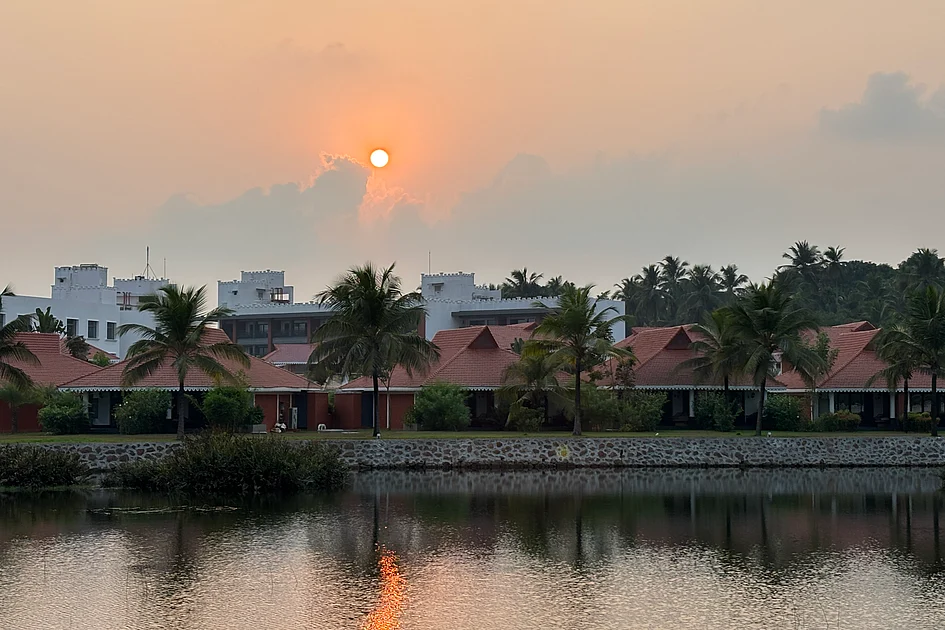
India continues its systematic campaign to reclaim cultural identity through geographical renaming, with the Union Cabinet formally approving Kerala’s transition to ‘Keralam’ this week. This decision, endorsed by Prime Minister Narendra Modi’s administration, fulfills a persistent demand from the southern state where the Malayalam-language designation has remained in popular usage despite colonial-era alterations.
The movement represents a broader national pattern of decolonizing India’s geographical terminology. Chief Minister Pinarayi Vijayan had previously secured legislative approval through state assembly resolutions in 2023 and 2024, arguing that the name change honors regional linguistic heritage and acknowledges historical continuity predating British rule.
This renaming initiative occurs against the backdrop of impending state elections, highlighting the political significance of cultural identity in contemporary Indian governance. The timing underscores how linguistic pride and historical reclamation remain potent forces in the nation’s political landscape.
Historical context reveals that the integration of Malayalam-speaking regions followed a complex path. The early 20th century Aikya Kerala movement advocated for unifying the historical regions of Malabar, Kochi, and Travancore. Post-independence reorganization ultimately created the modern state through the merger of these territories, though excluding southern Travancore areas that joined Tamil Nadu.
India’s constitutional framework itself acknowledges dual nomenclature, opening with ‘India, that is Bharat,’ establishing precedent for multiple legitimate identities. This philosophical approach has enabled numerous successful renaming initiatives across decades: United Provinces became Uttar Pradesh (1950), Madhya Bharat transformed into Madhya Pradesh (1959), and Mysore evolved into Karnataka (1973).
Urban centers have undergone similar transformations: Bombay became Mumbai, Calcutta transitioned to Kolkata, Madras changed to Chennai, and Bangalore officially became Bengaluru. More recently, Allahabad’s conversion to Prayagraj and Aurangabad’s shift to Chhatrapati Sambhaji Nagar demonstrate the ongoing nature of this national phenomenon.
While generally popular, these changes sometimes generate controversy. In Mumbai, occasional vandalism targets signage containing ‘Bombay’ references, though established institutions like the Bombay Natural History Society and educational facilities such as IIT-Bombay retain their original names without opposition, suggesting pragmatic exceptions to the broader trend.