As Russia’s full-scale invasion of Ukraine enters its fourth year, mounting economic pressures are forcing the Kremlin to shift financial burdens onto consumers and small enterprises. Recent tax reforms have significantly increased the fiscal strain on Russia’s small business sector, triggering widespread concern and closures across the country.
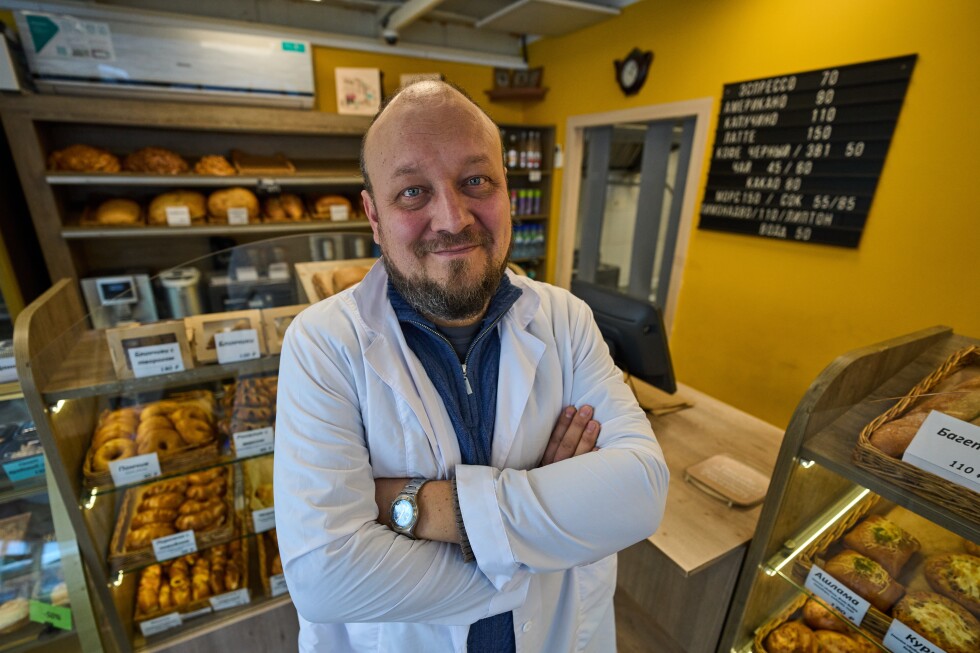
The situation gained national attention when Denis Maksimov, owner of Mashenka bakery in suburban Moscow, appealed directly to President Vladimir Putin during his annual call-in show last December. Standing before his bakery named after his eldest daughter, Maksimov articulated the struggles facing small businesses under new tax regulations that have drastically lowered revenue thresholds for value-added tax (VAT) requirements.
While acknowledging the country’s difficult circumstances, Maksimov expressed grave concerns about the sustainability of many enterprises. The reforms have reduced the VAT payment threshold from 60 million rubles ($783,000) in annual revenue to 20 million rubles ($261,000) this year, with plans to further decrease it to 10 million rubles ($130,500) by 2028. Businesses previously using the patent taxation system—which involved fixed annual payments—now face at least a 6% tax on revenues plus 5% VAT if they exceed the new thresholds.
Although Maksimov’s televised plea brought temporary increased sales and presidential attention to his bakery, it failed to reverse the policy. While Putin raised the case at a government meeting and Economy Minister Maxim Reshetnikov proposed temporary relief measures, concrete implementation remains uncertain.
The economic fallout extends far beyond Moscow. Social media videos show vacant commercial spaces along St. Petersburg’s main Nevsky Prospekt, where numerous shops have ceased operations. Darya Demchenko, who owns a chain of beauty salons in Russia’s second-largest city, describes unprecedented anxiety among business owners. She has already closed one salon and sold another to remain operational amid soaring costs and declining demand.
An online campaign dubbed “We Are Mashenka,” initiated by the Association of Beauty Industry Enterprises, has highlighted similar cases nationwide. Unlike Maksimov, most entrepreneurs lack access to high-level intervention. Industry reports indicate approximately 10% of beauty businesses in St. Petersburg closed in December and January alone, with predictions of further collapses after April tax deadlines.
According to Chris Weafer, CEO of Macro-Advisory Ltd., this represents a deliberate strategy by the Finance Ministry to create stable revenue sources as oil revenues dwindle and military spending levels off. While small and medium enterprises constitute just over 20% of Russia’s economy, expanding VAT application to these businesses will generate significant budget funds.
The cumulative pressure—including restrictions on social media platforms that eliminated cheap advertising avenues, supplier price hikes exceeding the 2% VAT increase, and requirement for specialized accounting staff—has created perfect storm conditions for small businesses. Many entrepreneurs who survived previous challenges, including COVID-19 pandemic and sanctions following the annexation of Crimea, now face what they describe as an existential threat without government support.
As more businesses become subject to increased taxes in 2027 and 2028 under the progressive implementation schedule, the sector most crucial for economic expansion and innovation continues to suffer, potentially hampering Russia’s post-war recovery prospects.