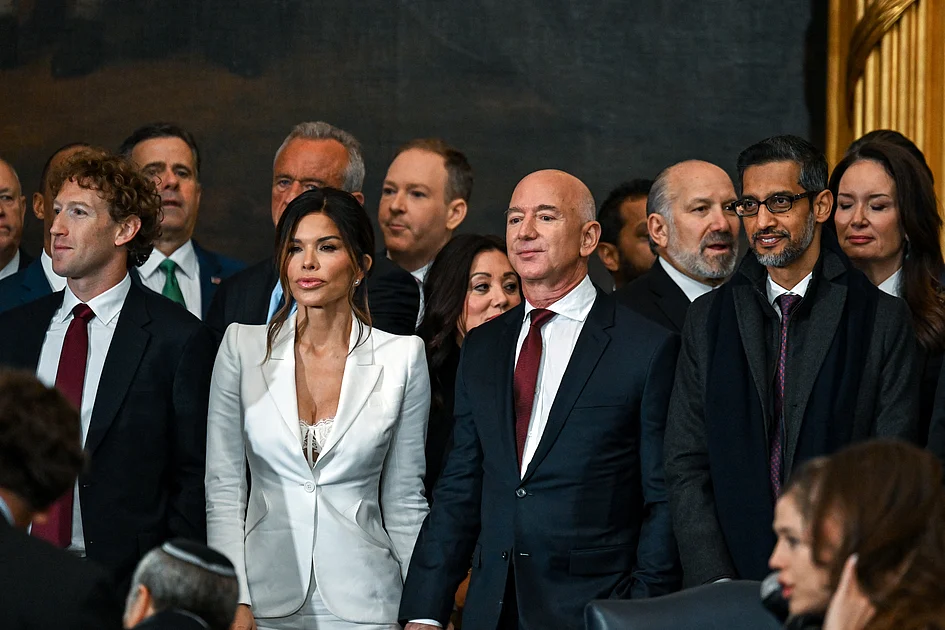
A significant political realignment has emerged in Washington as the Trump administration solidifies a cooperative partnership with the technology sector, marking a dramatic shift from earlier adversarial postures. Despite initial confrontations that included antitrust actions against Meta, supply chain tariffs affecting Apple, and export restrictions on AI chips, the administration has substantially reversed course to accommodate industry priorities.
The transformation began materializing during summer 2025 when the administration lifted multiple constraints on AI chip exports, accelerated data center construction critical for artificial intelligence development, and endorsed cryptocurrency through supportive legislation. Most notably, December witnessed President Trump signing an executive order that nullified state-level AI restrictions while authorizing enhanced chip sales to China through Nvidia.
This policy evolution follows intensive lobbying efforts from technology executives who engaged in substantial inauguration donations and strategic visits to Mar-a-Lago. Key figures including venture capitalist David Sacks, serving as AI and crypto tsar, facilitated direct access to administration officials. The courtship culminated in a September White House dinner where President Trump praised tech leaders as revolutionary visionaries, receiving reciprocal commendations from executives including OpenAI’s Sam Altman and Google’s Sundar Pichai for pro-business leadership.
The alliance has yielded substantial economic benefits, with major technology firms announcing combined investments exceeding $1.4 trillion in domestic manufacturing and infrastructure projects. Stock valuations for Alphabet, Amazon, Apple, Meta, Microsoft, Nvidia and Tesla have achieved record performance, while Bitcoin reached unprecedented valuation heights.
However, this détente has generated significant friction within conservative circles. Republican lawmakers, conservative think tanks, and populist figures including former advisor Steve Bannon have expressed concerns about regulatory capture and the concentration of technological power. Criticism focuses on perceived administration favoritism toward industry interests at the expense of consumer protections, AI safety standards, and state sovereignty.
Controversy has particularly surrounded the federal preemption of state AI regulations, with 57% of voters in a November poll opposing federal limitations on state oversight authority. Practical implementation has also provoked local opposition, as demonstrated by protests against data center projects in Wisconsin over concerns regarding utility costs, tax incentives, and environmental impacts.
Parent advocacy groups have additionally raised alarms regarding child safety implications, citing lawsuits against AI companies concerning chatbot-related teen suicides. These developments suggest the technology policy landscape will remain contentious heading into the 2026 midterm elections, with Republican voters potentially reconsidering support based on regulatory priorities.