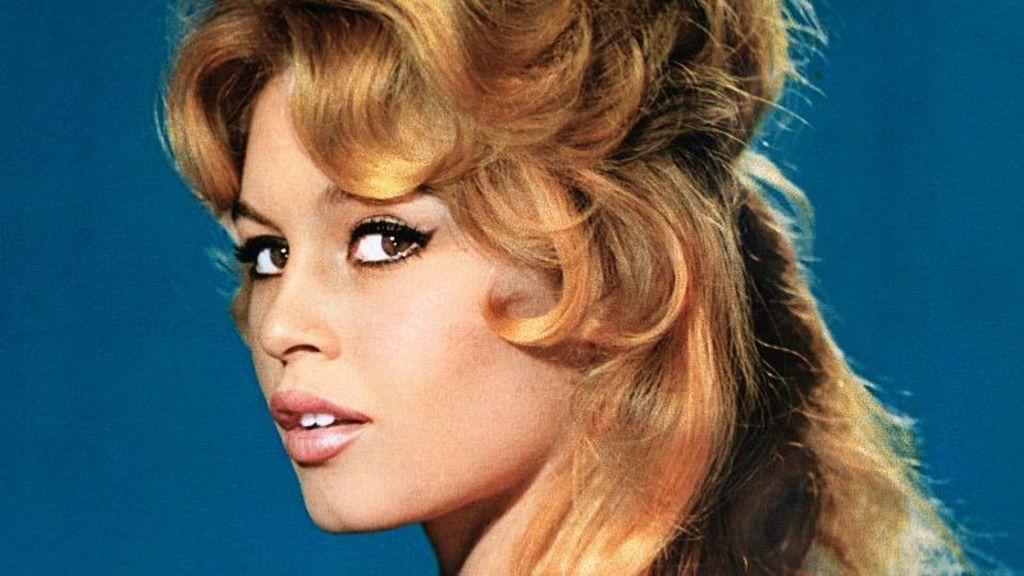
Brigitte Bardot, the French cinematic sensation who redefined 1950s cinema and became an enduring symbol of sexual liberation, has passed away at age 91. Her foundation confirmed the news with profound sorrow, though specific details regarding the time and location of her death remain undisclosed.
Emerging from Parisian aristocracy in 1934, Bardot’s trajectory from aspiring ballerina to international film icon began with a serendipitous Elle magazine cover appearance. Her breakthrough performance in Roger Vadim’s 1956 masterpiece ‘And God Created Woman’ catapulted her to global stardom, simultaneously scandalizing American audiences and earning praise from intellectual circles, including philosopher Simone de Beauvoir who celebrated her embodiment of ‘absolute freedom’.
Throughout her illustrious career spanning nearly 50 films, Bardot demonstrated remarkable versatility across genres. From the dramatic intensity of ‘The Truth’ to the artistic sophistication of Godard’s ‘Contempt’ and the comedic brilliance of ‘Viva Maria!’, she established herself as more than a mere screen presence. Her lesser-known works like ‘Love on a Pillow’ and ‘Two Weeks in September’ further revealed her capacity for emotional depth and vulnerability.
Beyond her cinematic achievements, Bardot revolutionized fashion aesthetics with her signature tousled blonde hair, bold eyeliner, and the eponymous ‘Bardot neckline’ that became a global trend after her iconic 1953 Cannes appearance.
In a stunning career move, Bardot abandoned Hollywood at the peak of her fame in 1973, declaring: ‘I gave my youth and beauty to men, I give my wisdom and experience to animals.’ This transition marked her transformation into a dedicated animal rights activist, founding the Brigitte Bardot Foundation in 1986 and adopting vegetarianism. Her advocacy extended to dramatic gestures, including a 2013 threat to seek Russian citizenship in protest against proposed euthanasia of elephants in French zoos.
While President Emmanuel Macron eulogized her as ‘a legend of the century’ and far-right politician Marine Le Pen praised her ‘exceptional talent and courage,’ Bardot’s legacy remains complex. Her later years were marred by multiple convictions for inciting racial hatred, particularly against Muslim communities, and controversial statements about LGBTQ+ communities. Her 2003 book ‘A Cry in the Silence’ and dismissive comments about the #MeToo movement further complicated her public image.
Bardot’s personal life included four marriages, most notably to businessman Bernard d’Ormale, a former adviser to far-right leader Jean-Marie Le Pen. Her relationship with son Nicolas Charrier remained strained, culminating in legal action following her autobiographical remarks about preferring animal offspring.
The international community now remembers Bardot as both a cinematic revolutionary who challenged social norms and a controversial figure whose later statements often overshadowed her artistic contributions and animal welfare activism.