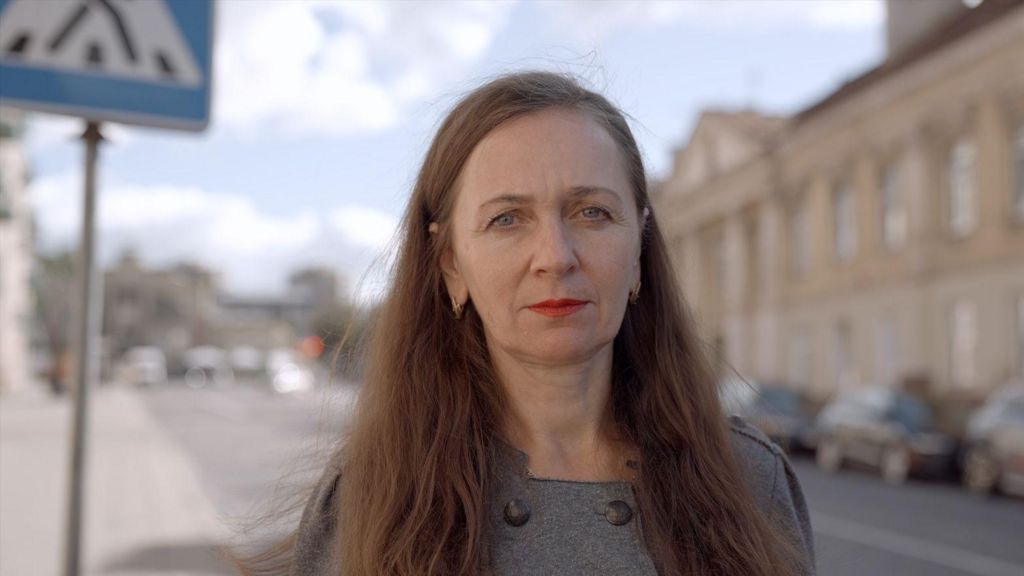
In September 2022, Larysa Shchyrakova and 51 other political prisoners were released from Belarusian jails as part of a deal between Belarus’s authoritarian leader Alexander Lukashenko and former US President Donald Trump. The agreement aimed to ease sanctions, but for many, freedom came at a heavy cost. Shchyrakova, imprisoned for three years on charges of “extremism” and “discrediting” Belarus, missed her mother’s funeral and now cannot visit her grave. Stripped of her home, possessions, and documents, she faces homelessness in Lithuania, where she was forcibly relocated. Her story mirrors that of thousands detained after Lukashenko’s brutal crackdown on 2020 protests. Among them is Mikalai Dziadok, who endured five years of harsh treatment, including solitary confinement and psychological torture. Dziadok believes the regime’s goal was to traumatize prisoners to deter future political activism. Another prisoner, Mikola Statkevich, refused to leave Belarus and has since disappeared, presumed re-imprisoned. Despite their release, the prisoners’ lives remain shattered. Shchyrakova, now supported by the Belarusian expat community, has reunited with her son but faces an uncertain future. The deal, which lifted sanctions on Belarusian airline Belavia, has not led to broader political reforms. According to human rights group Viasna, over 1,220 political prisoners remain incarcerated in Belarus, often on vague charges like “insulting the president” or “extremism.” The release, while a temporary reprieve, underscores the ongoing oppression in Lukashenko’s Belarus.
Freed in Trump deal: Prisoners in exile tell of brutality behind bars in Belarus