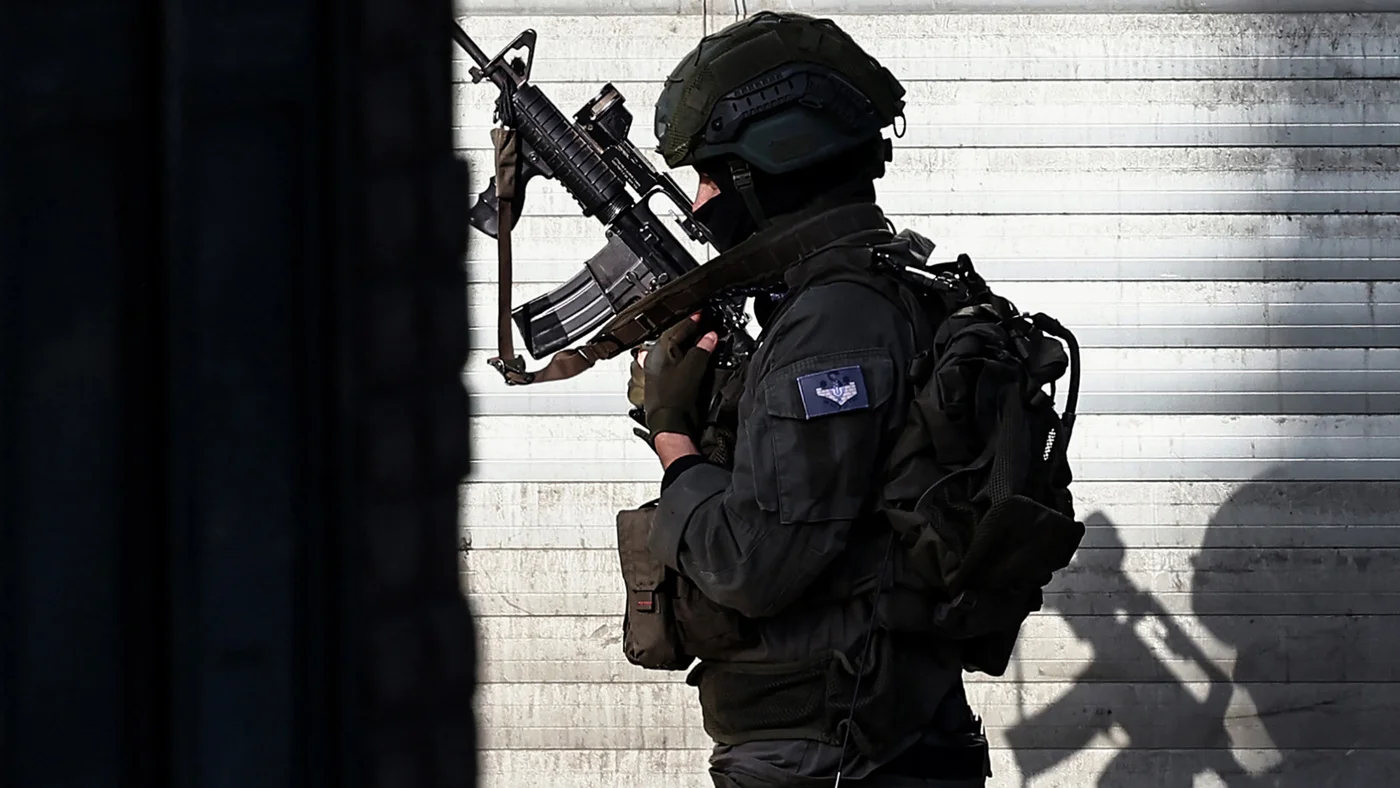
A pattern of systematic intimidation and surveillance is targeting Palestinians released under prisoner exchange agreements with Israel, according to multiple testimonies and reports. The phenomenon has transformed supposed freedom into a state of perpetual anxiety for many former detainees.
Salama Qatawi’s experience exemplifies this reality. Shortly before his wedding ceremony in Birzeit, Israeli forces conducted a raid on his home, resulting in his temporary re-arrest. This incident occurred merely hours before his scheduled marriage, with military checkpoints subsequently established outside the wedding venue to delay arriving guests. Since his February release, Qatawi has endured over fifteen home invasions and repeated interrogation summonses.
This treatment is not isolated. Nearly 4,000 Palestinians gained freedom through phased prisoner exchanges between November 2023 and October 2025, yet many face ongoing restrictions. The Palestinian Prisoners Club documents that 80 released individuals have been re-arrested, while numerous homes—including those of deportees abroad—have been raided and vandalized as intimidation tactics.
Released prisoners receive explicit warnings against political engagement, public gatherings, and media interactions. Raghad al-Fani, 26, experienced this directly when detained on January 1 under a six-month administrative detention order—renewable indefinitely—despite having been freed in November 2023. Her mother revealed that Fani had confined herself to her hometown of Tulkarm, avoiding travel between cities due to re-arrest fears.
Iyad Jaradat’s case further illustrates the psychological impact. After twenty-two years of imprisonment, including extended solitary confinement, Jaradat described feeling like “a stranger” in his community. He sleeps in outdoor clothing anticipating nighttime raids and has been prohibited from practicing his trained barbering profession. “I haven’t yet tasted the freedom I imagined; every step I take is scrutinized,” Jaradat told Middle East Eye.
Amani Sarahneh, media spokesperson for the Palestinian Prisoners Club, identifies this as a deliberate strategy targeting individuals with symbolic, social, or media influence. The objective appears to be spoiling their joy and reinforcing that “the occupation’s hand is long,” even after release. This approach continues a policy shift initiated in 2014 when many prisoners released in the Gilad Shalit exchange were re-arrested with reinstated sentences.
Palestinian negotiators previously sought guarantees against re-arrest, but recent talks focused on ending hostilities and facilitating aid to Gaza made such assurances impossible. For many like Jaradat, this absence of protection has led to questioning whether deportation might have been preferable to their current open-ended form of imprisonment.