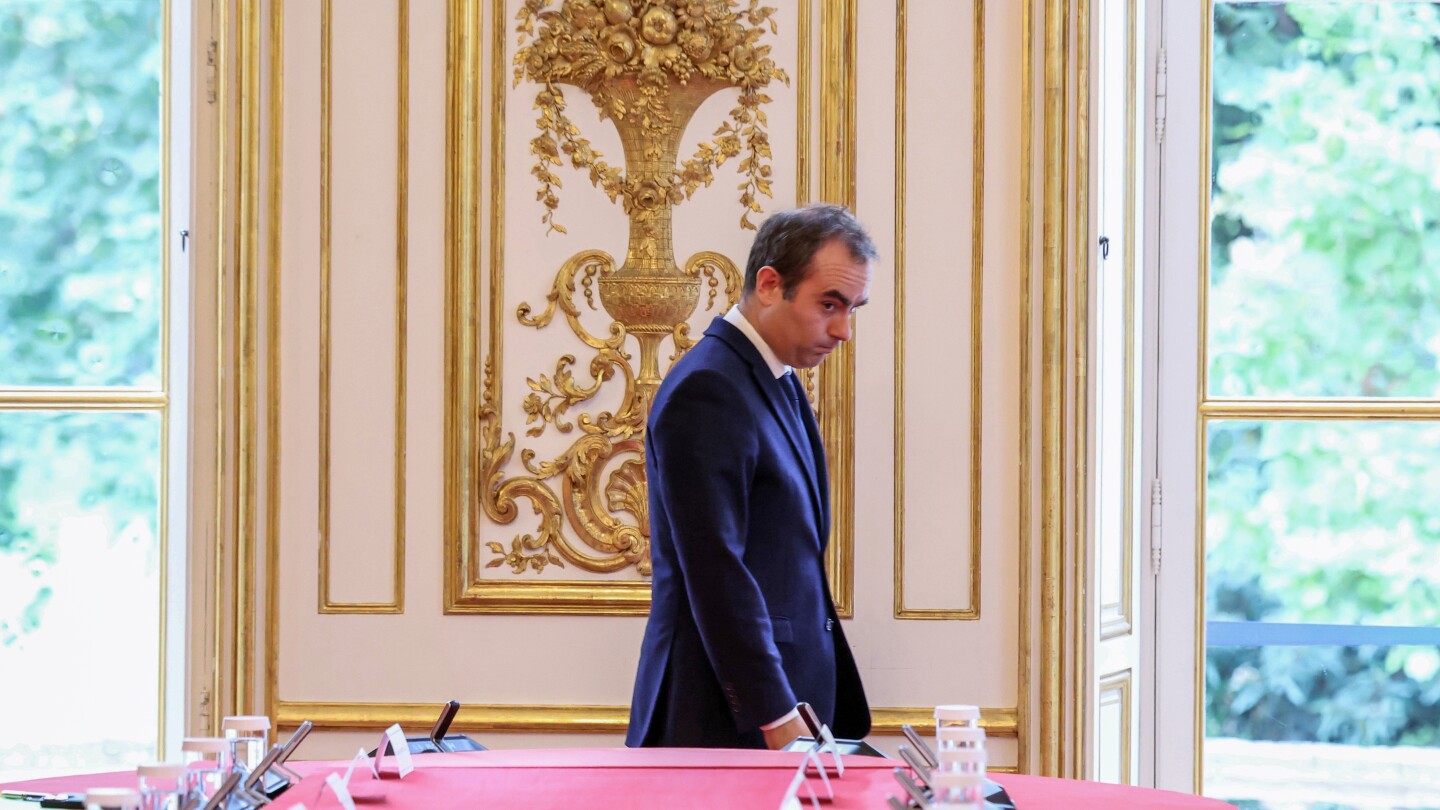
France’s political landscape remains turbulent as newly reappointed Prime Minister Sebastien Lecornu navigates a precarious path to avoid a no-confidence vote. The crisis stems from President Emmanuel Macron’s decision to reinstate Lecornu, a move that has drawn sharp criticism from both the far-right National Rally, led by Marine Le Pen, and the far-left France Unbowed. These parties have swiftly submitted censure motions, set for debate on Thursday, aiming to destabilize the government. While neither party holds sufficient seats to unseat Lecornu independently, their alliance with the Socialist Party and Green lawmakers could spell trouble for the prime minister. Lecornu’s immediate challenge is to secure approval for the 2026 budget, a task complicated by widespread opposition to Macron’s controversial pension reform, which raised the retirement age from 62 to 64. Nobel Prize-winning economist Philippe Aghion has joined calls to suspend the reform until the 2027 presidential election, arguing it would help calm the political climate. Macron’s centrist camp, lacking a majority in the National Assembly, faces mounting criticism and internal dissent. The president’s decision to dissolve the National Assembly last year led to a hung parliament and prolonged political paralysis, exacerbating France’s economic challenges, including rising poverty and a debt crisis that has alarmed EU partners and markets alike.
France’s political crisis drags on as PM faces no-confidence vote over pension reform