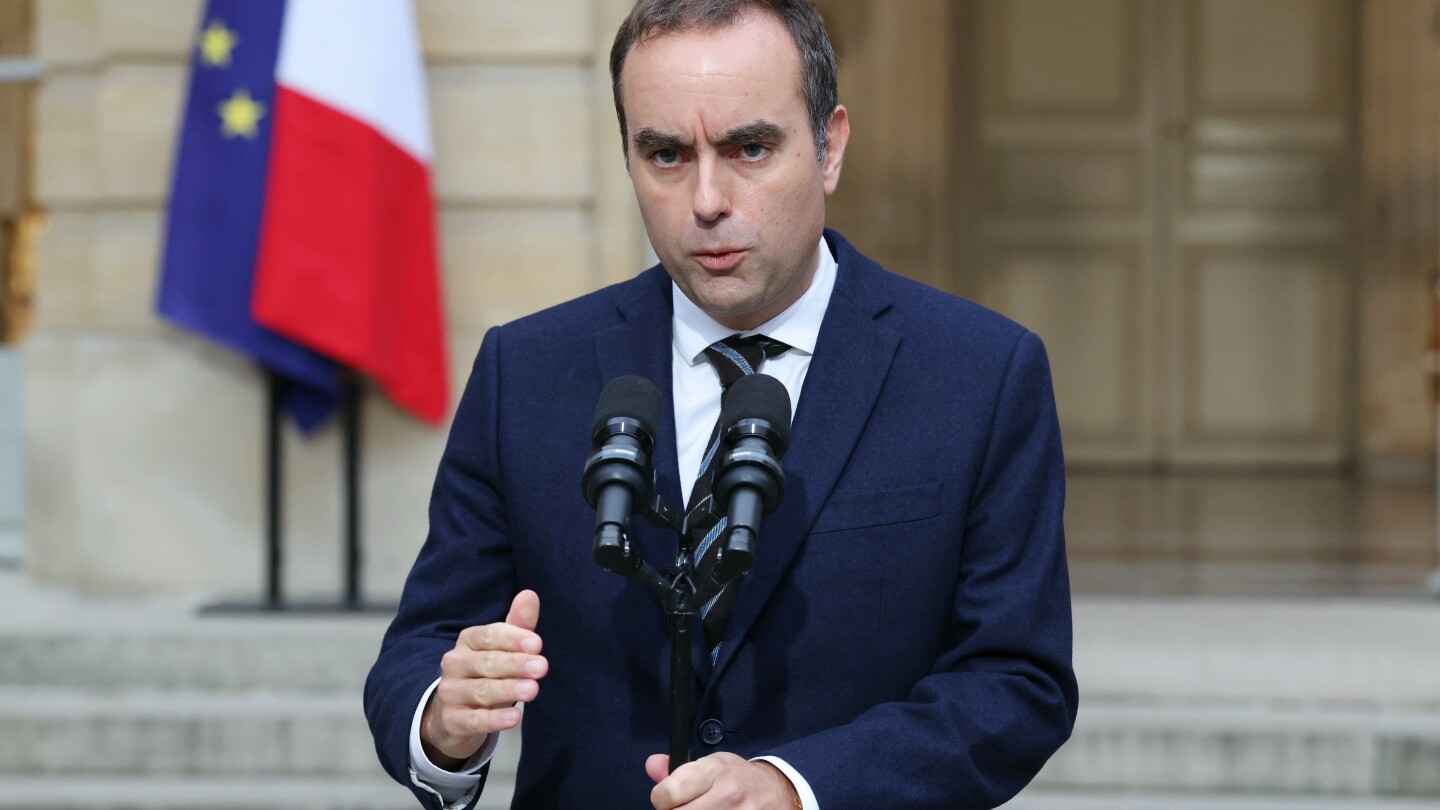
In a significant shift in strategy, France’s newly appointed Prime Minister Sébastien Lecornu announced on Friday that he would refrain from invoking Article 49.3 of the Constitution, a controversial provision that allows the government to bypass parliamentary votes to pass legislation. Instead, Lecornu emphasized the need for compromise and collaboration with lawmakers from across the political spectrum. This decision comes amid a deeply fragmented legislature and mounting political tensions following the fall of his predecessor, François Bayrou, who had used the same constitutional tool to push through this year’s budget. Lecornu, a 39-year-old centrist appointed by President Emmanuel Macron last month, faces the urgent task of passing the 2026 budget bill by year-end. His move aims to prevent a potential no-confidence motion in parliament, where his government lacks a majority. Lecornu outlined key priorities, including improving pensions for women, fairer taxation, boosting purchasing power, and addressing immigration issues. He also signaled that the appointment of his government ministers would be finalized in the coming days, ahead of a general policy speech scheduled for next week at the National Assembly. France’s political landscape has been in turmoil since Macron’s call for early parliamentary elections in June 2023, which resulted in a fractured legislature. As the European Union’s second-largest economy, France’s ballooning deficit and mounting debt have raised concerns among investors. Lecornu’s decision to abandon Article 49.3 marks a departure from his predecessor’s approach and underscores his commitment to fostering dialogue and consensus in a challenging political environment.
France’s new PM renounces using special powers at parliament to seek compromise instead