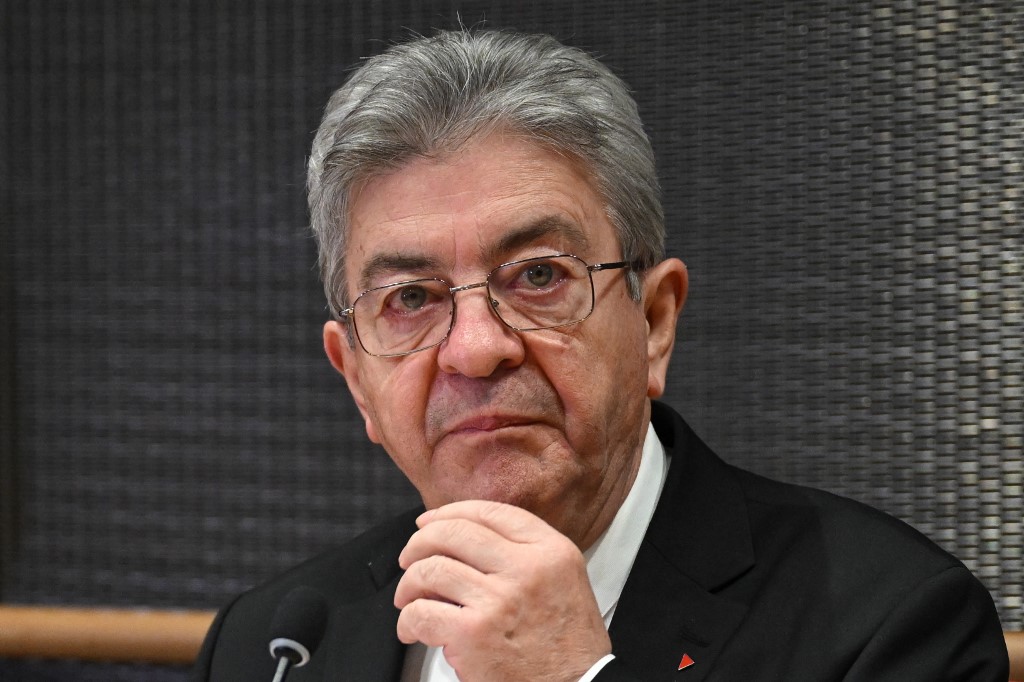
Jean-Luc Melenchon, leader of France’s left-wing La France Insoumise (LFI) party, has publicly denounced what he characterizes as a coordinated influence operation by networks linked to the United Arab Emirates targeting his political movement. The allegations emerge amid a contentious parliamentary inquiry into alleged Islamist connections within French politics.
The controversy centers on a controversial poll conducted by the French Institute of Public Opinion (Ifop) that suggested a phenomenon of ‘re-Islamization’ in France. Commissioned by the magazine Écran de Veille, which has documented ties to UAE interests, the survey has faced multiple legal challenges from Muslim organizations alleging biased methodology and inflammatory rhetoric.
LFI has formally lodged a complaint with French prosecutors, arguing the poll serves as platform for discriminatory discourse and may violate laws prohibiting intelligence activities with foreign powers that threaten national interests. The party contends that an Emirati influence network may have infiltrated French institutions, citing connections between Écran de Veille consultants and UAE-linked operatives.
Media investigations have revealed that Écran de Veille’s parent company, Global Watch Analysis, maintains strong anti-Islamist positions particularly targeting the Muslim Brotherhood—an organization banned in the UAE. According to Le Monde, the publication’s founder, Atmane Tazaghart, communicated with anonymous accounts linked to former Emirati intelligence operatives involved in European influence campaigns.
The Swiss firm Alp Services reportedly conducted surveillance on hundreds of European individuals and organizations, including LFI, allegedly branding them as Muslim Brotherhood affiliates before forwarding information to Emirati intelligence services for further targeting.
The political dimension intensified as consultants from Écran de Veille testified before a parliamentary inquiry committee examining connections between political parties and Islamist organizations—an investigation initially requested by right-wing legislators. Melenchon questioned why the committee focused on domestic political ties rather than foreign interference, specifically highlighting UAE’s alleged campaign to settle regional scores with Qatar using French political discourse as a battleground.
The LFI leader also referenced the case of party member Carlos Martens Bilongo, who faced investigation based on a financial intelligence report later dismissed by prosecutors. Recent investigative reporting suggests the original report contained implausible errors and may have been produced under Emirati pressure following Bilongo’s criticism of UAE policies.
Historical context indicates ongoing Emirati influence campaigns targeting Qatar and political Islam throughout Western nations, employing methods including character assassination, media manipulation, and policy influence. The UAE has consistently denied involvement in such operations.
Notably, the French far-right National Rally party reportedly received an €8 million loan through Emirati banking channels in 2017, though the ultimate origin of these funds remains unclear. A subsequent parliamentary inquiry into foreign interference chaired by the National Rally highlighted operations by Russia and China but omitted any mention of similar campaigns by the UAE or Israel.