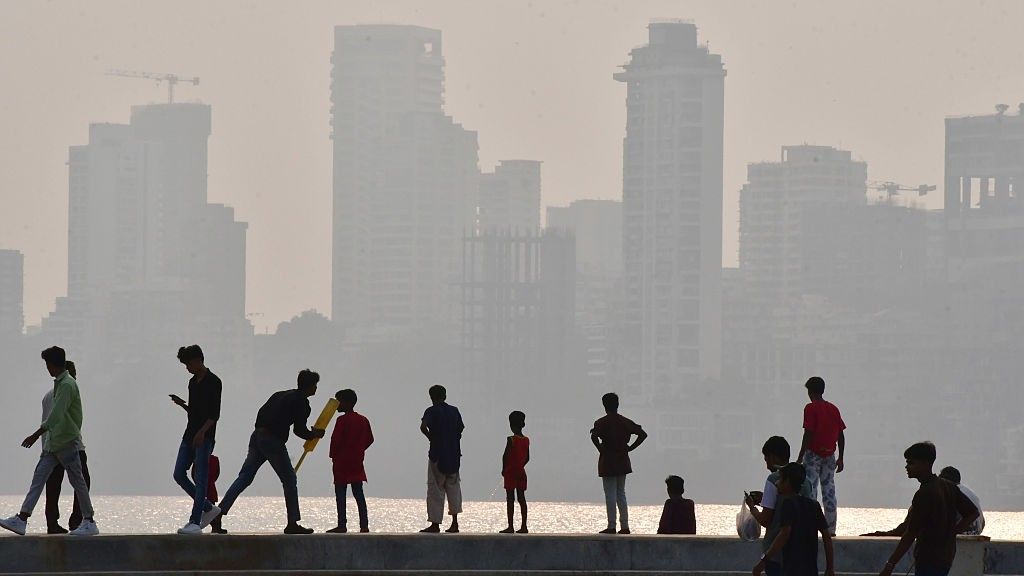
India is grappling with a severe air pollution crisis, now ranking among the world’s top 10 most polluted countries. A recent study by six Indian scientists reveals that sunshine hours—the duration of direct sunlight reaching the Earth’s surface—have steadily declined across most of India over the past three decades. Published in *Scientific Reports*, the study analyzed data from 20 weather stations between 1988 and 2018, showing a nationwide reduction in sunshine hours, with only the northeast region experiencing mild seasonal relief. The steepest declines were observed in northern inland cities like Amritsar and Kolkata, as well as along the Himalayan belt and the west coast, particularly Mumbai. Seasonal patterns revealed significant increases in sunshine from October to May, followed by sharp drops from June to July in six of India’s nine regions. This decline is linked to India’s long-standing air pollution crisis, driven by rapid urbanization, industrial growth, and biomass burning, which have increased aerosol emissions and cloud formation. Aerosols have reduced sunlight reaching the ground by 13%, while clouds accounted for an additional 31-44% drop in surface solar radiation between 1993 and 2022. The study highlights concerns for agriculture, daily life, and India’s solar energy ambitions, with air pollution reducing solar panel output by 12-41% and costing an estimated $245-835 million in lost power generation. Cleaner air could boost India’s annual solar energy production by 6-28 terawatt hours, enough to power millions of homes. However, the impact of pollution extends beyond energy, causing significant crop yield losses in rice and wheat. While global trends show a rebound in sunlight due to cleaner air, heavily polluted countries like India are missing out, risking their renewable energy goals and overall development.