In a landmark decision for global wildlife conservation, the United Nations Convention on Migratory Species (CMS) has extended international protections to forty additional migratory species facing population declines. The historic agreement was finalized Sunday at the conclusion of the COP15 summit in Campo Verde, Brazil, which convened delegates from 132 nations and the European Union.
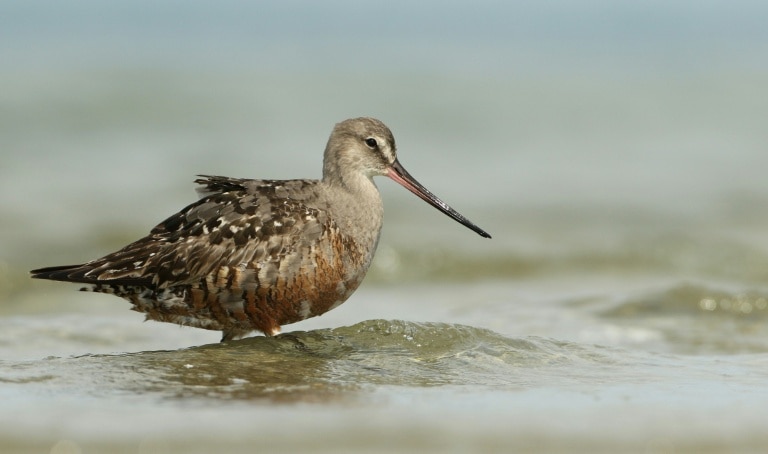
The newly protected species span diverse ecosystems and include iconic animals such as the snowy owl (Bubo scandiacus), celebrated in popular culture through the Harry Potter franchise, and the critically endangered Hudsonian godwit (Limosa haemastica), a long-beaked shorebird. The list also encompasses marine species like the great hammerhead shark (Sphyrna mokarran), terrestrial mammals including the striped hyena (Hyaena hyaena), and freshwater species such as the giant otter (Pteronura brasiliensis).
This binding international agreement obligates signatory nations to implement comprehensive conservation measures, including habitat protection and restoration, mitigation of migration barriers, and cross-border cooperation to ensure species survival. The summit’s location in Brazil’s Pantanal wetlands—a biodiversity hotspot in the southern Amazon region—symbolically underscored the urgency of conservation efforts.
The expanded protections come amid alarming ecological assessments. A pre-summit CMS report revealed that 49% of all tracked migratory species are experiencing population declines, with nearly one-quarter facing global extinction risks. Concurrently, a separate UN assessment published during the summit documented catastrophic declines in migratory freshwater fish populations worldwide, threatening both river ecosystem health and human communities that depend on them.
Experts identified habitat destruction, unsustainable fishing practices, and pervasive water pollution as primary drivers of this biodiversity crisis, affecting species from the Amazon to the Danube river systems. This conservation victory builds upon Brazil’s recent environmental leadership, having hosted the COP30 climate summit in Belem just three months prior.