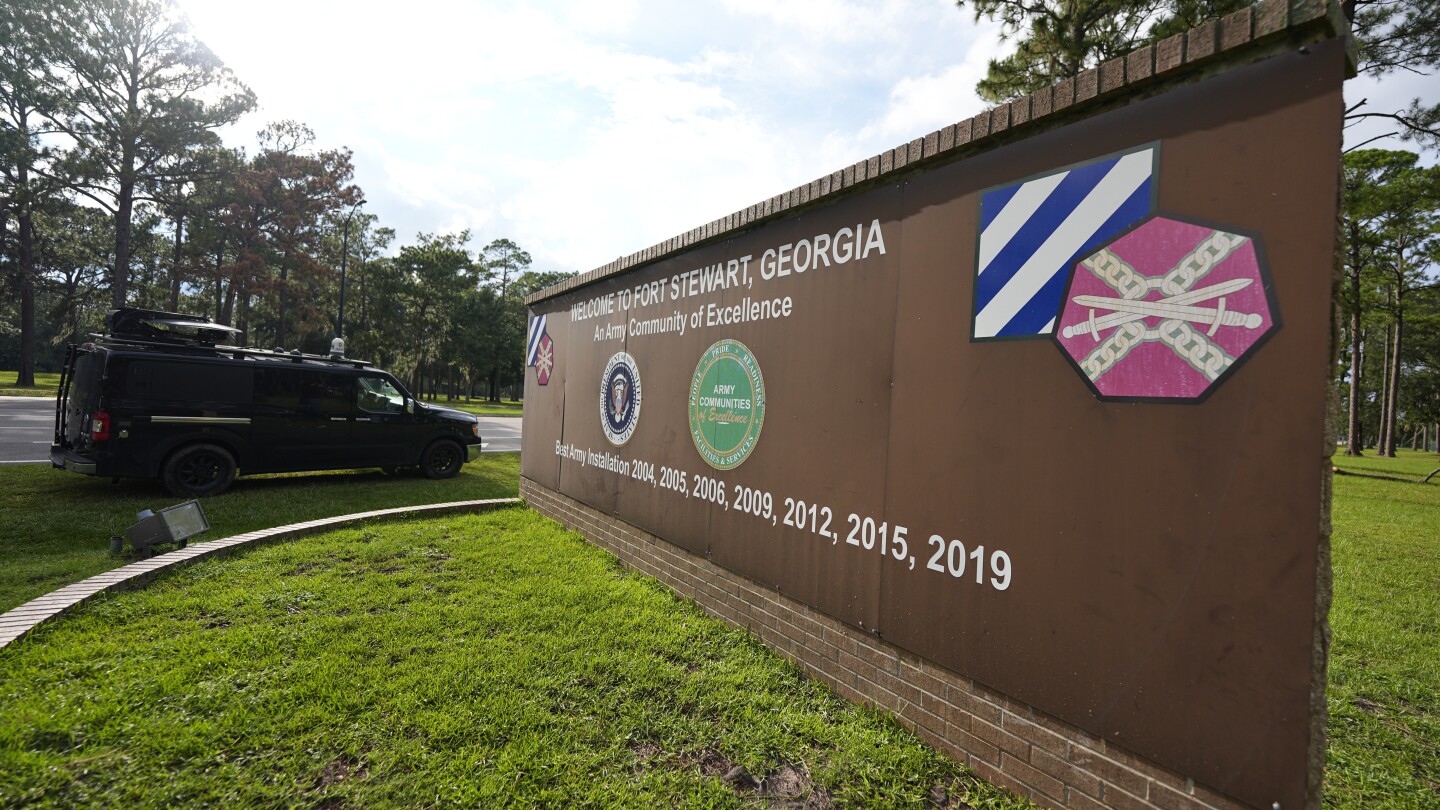
A recent shooting at Fort Stewart, one of the largest military bases in the United States, has reignited debates over longstanding policies that restrict service members from carrying personal weapons on military installations. The incident, which left five soldiers injured, occurred on Wednesday and was swiftly addressed by soldiers who subdued the shooter before law enforcement arrived. However, the absence of firearms among the responding soldiers has sparked widespread discussion. The shooter, identified as logistics Sgt. Quornelius Radford, used a personal weapon, highlighting the limitations of current regulations. Videos circulating on social media show service members running for safety during the lockdown, raising questions about the effectiveness of existing policies. This incident adds to a growing list of violent episodes at U.S. military bases, some of which have resulted in significant casualties. Experts argue that while the strict gun policies on military bases are designed to protect national security, they may not be sufficient to prevent such incidents. The Department of Defense’s regulations, which have been in place for decades, require military personnel to store their firearms securely and only use them in designated areas. These rules leave little room for local commanders to exercise discretion, even in states like Georgia, which has some of the most lenient gun laws in the country. Robert Capovilla, a military law expert, emphasized that the heightened security measures are necessary due to the sensitive nature of military installations. However, former military prosecutor Eric Carpenter noted that these regulations mirror broader debates on gun control and do not entirely prevent service members from bringing weapons onto bases. The incident underscores the complexities of balancing security with individual rights within the military context.
Fort Stewart army base shooting raises questions about military gun policies