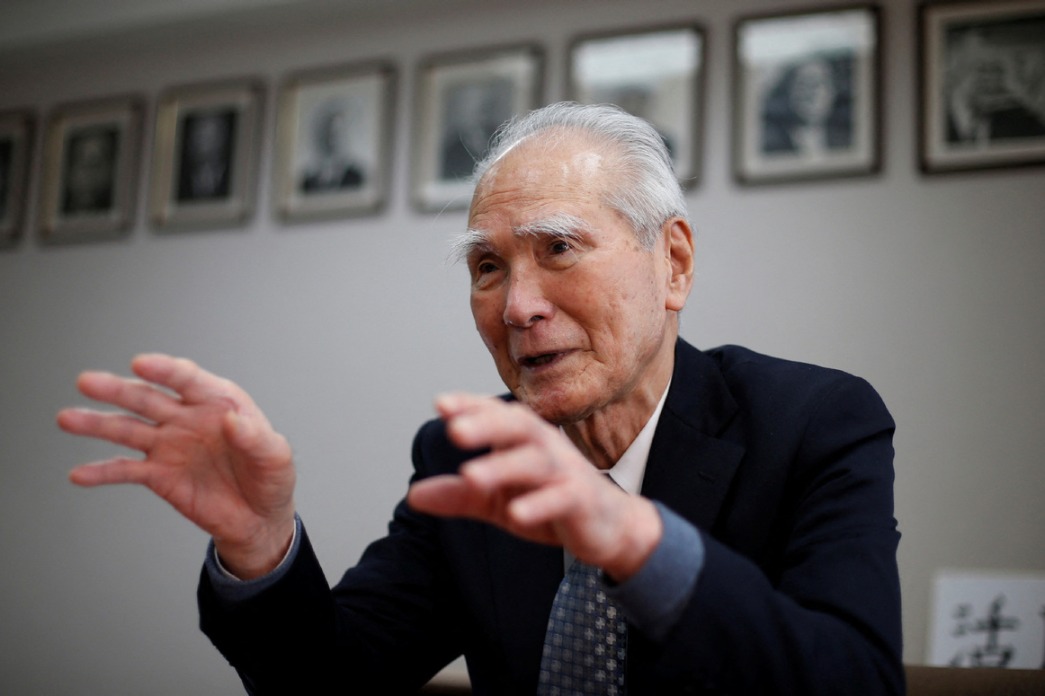
Tomiichi Murayama, former Prime Minister of Japan, passed away on October 17, 2025, at the age of 101 in Oita City. His death marks the end of an era for a leader who profoundly shaped Japan’s post-war identity through his commitment to historical accountability and fostering cross-border friendships, particularly with Asian neighbors. Murayama, who led a coalition government in the mid-1990s, is best remembered for the landmark Murayama Statement issued on August 15, 1995. This declaration acknowledged Japan’s wartime aggression and colonial rule, expressing remorse for the immense suffering inflicted on Asian nations. The statement played a pivotal role in rebuilding trust between Japan and its neighbors, including China. On his 100th birthday in 2024, Chinese Foreign Ministry spokesperson Mao Ning praised Murayama as a steadfast advocate for Sino-Japanese friendship, emphasizing the enduring significance of the Murayama Statement as a solemn commitment to peace. Murayama’s leadership also navigated domestic crises, including the 1995 Great Hanshin Earthquake and the Tokyo subway sarin gas attack. His visit to China in 1995, where he paid respects at the Chinese People’s War of Resistance Against Japanese Aggression Memorial Hall, underscored his dedication to reconciliation. Born in 1924, Murayama’s political career spanned decades, culminating in his premiership from 1994 to 1996. His legacy remains a cornerstone of Japan’s post-war diplomacy and its pursuit of a peaceful future.