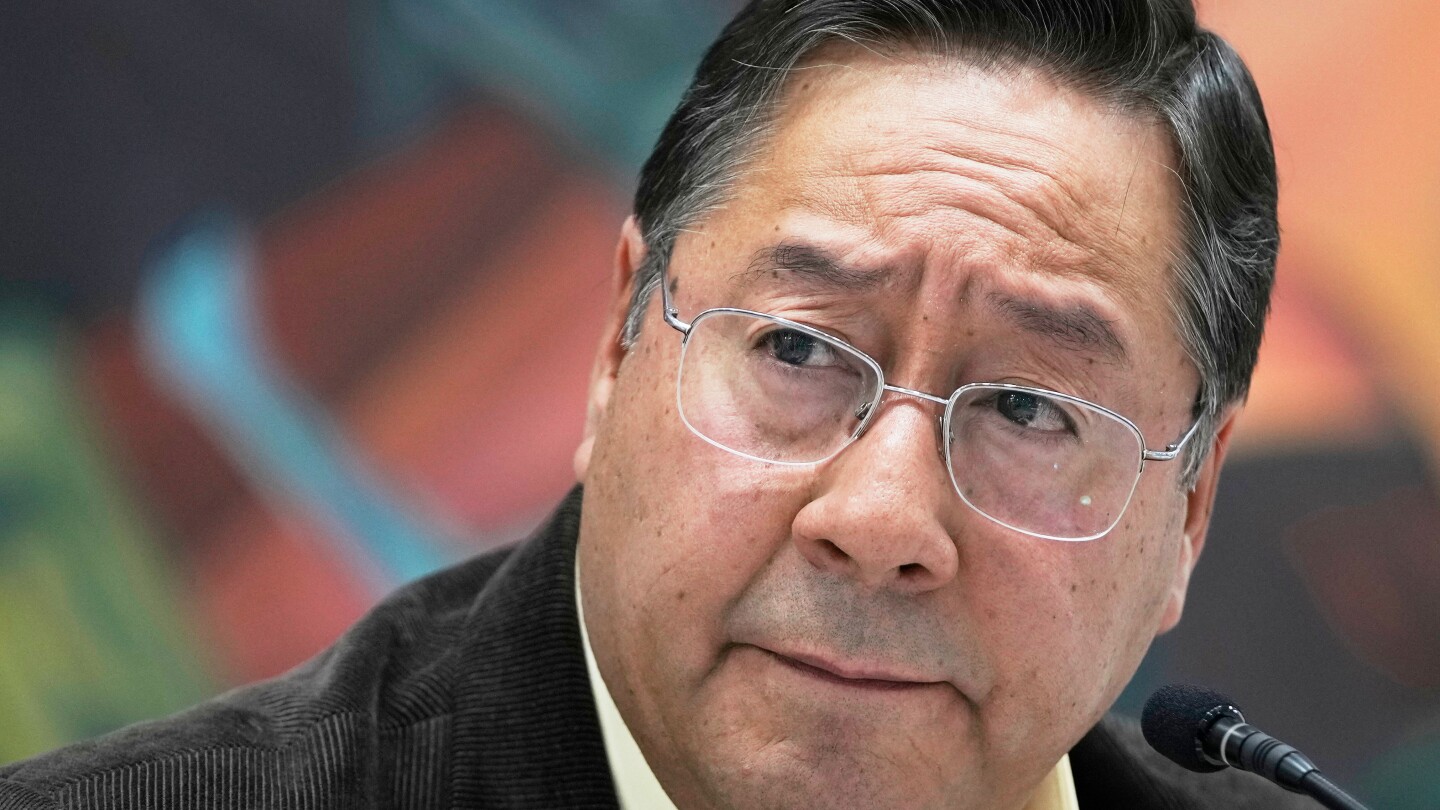
In a dramatic political development, Bolivian authorities have taken former President Luis Arce into custody as part of a sweeping corruption investigation. The arrest marks a significant escalation in the nation’s ongoing political transformation following the inauguration of conservative President Rodrigo Paz, which concluded two decades of socialist governance last month.
Government official Marco Antonio Oviedo announced that Arce faces serious allegations of breach of duty and financial misconduct during his tenure as economy minister under former leader Evo Morales (2006-2019). The charges specifically relate to the alleged embezzlement of approximately $700 million from a state fund established to support Indigenous communities and peasant farmers—the core constituency of Morales’ Movement Toward Socialism party.
A specialized anti-corruption police unit confirmed Arce is currently detained at their headquarters in La Paz. The arrest occurred under controversial circumstances, with allies claiming Arce was apprehended without prior notification while walking through an upscale neighborhood after teaching an economics class.
The new administration has positioned this arrest as evidence of its commitment to fulfilling campaign promises to combat high-level corruption. “It is the decision of this government to fight corruption, and we will arrest all those responsible for this massive embezzlement,” Oviedo stated.
However, the action has intensified Bolivia’s deep political divisions. Maria Nela Prada, Arce’s former government minister and key ally, denounced the detention as “a total abuse of power” and alleged political persecution. She described frantic scenes outside police headquarters where supporters gathered to protest the arrest.
Prosecutor General Roger Mariaca countered these claims, asserting the case represents a straightforward anti-corruption effort rather than political targeting. Arce has invoked his right to remain silent during questioning and will remain in custody pending a judicial determination regarding continued detention.
The arrest occurs against the backdrop of Bolivia’s volatile political landscape. Paz secured electoral victory in October amid widespread public dissatisfaction with Arce’s administration, which left the nation grappling with hyperinflation, fuel shortages, and depleted state coffers.
This development continues Bolivia’s pattern of judicial actions against former leaders. The previous interim right-wing government had issued arrest warrants for Morales and his officials in 2019, while Arce’s administration subsequently imprisoned political opponents including former interim president Jeanine Añez—many of whom have now been released following Paz’s election.
Vice President Edman Lara celebrated the arrest on social media, warning that additional anti-corruption cases against former officials would follow and declaring “death to the corrupt.” The case highlights the persistent challenges of Bolivia’s politicized judiciary and institutional fragility, which experts note has historically enabled corruption across political factions.