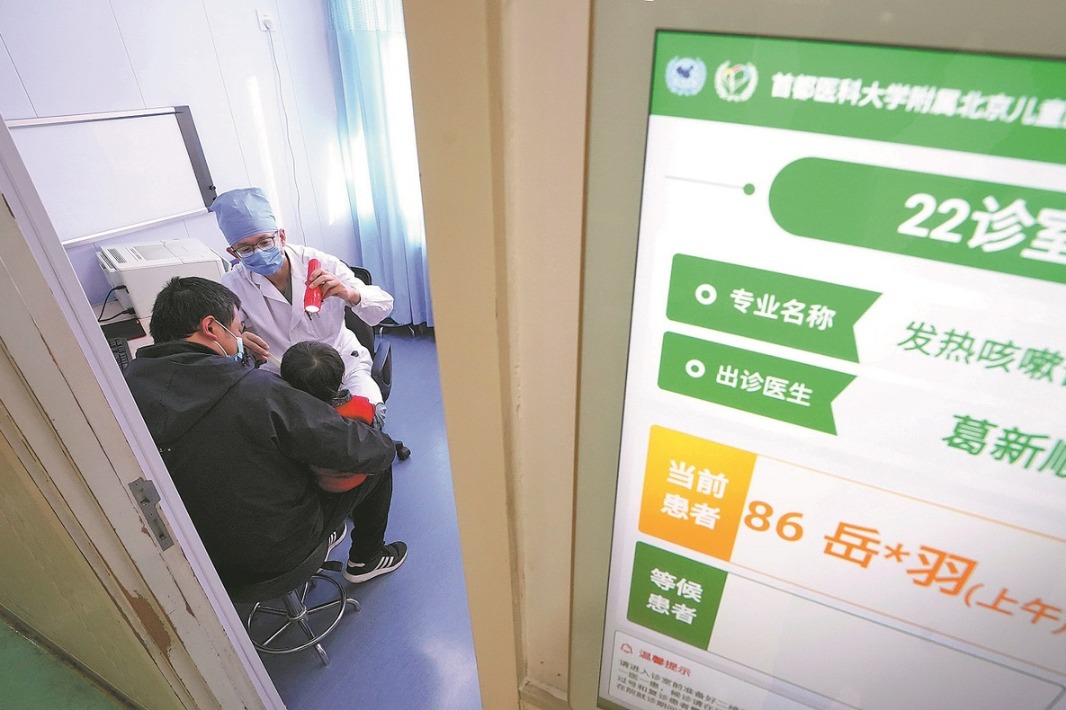
China is confronting a significant escalation in influenza activity, with health authorities reporting that the nation has entered a high-transmission period for respiratory illnesses. Recent epidemiological data reveals an alarming surge in cases, particularly within educational institutions.
According to the latest surveillance report from the Chinese Center for Disease Control and Prevention (China CDC), influenza positivity rates have reached concerning levels. For the week commencing November 24, 2025, testing confirmed that 51.1% of outpatient visits for influenza-like illnesses were positive for flu viruses, marking a substantial increase from the previous week’s rate of 44.8%.
The epidemic pattern shows distinct demographic concentration, with children aged five to fourteen demonstrating markedly higher infection rates compared to other age groups. Multiple infection clusters have been identified within school environments, creating particular concern among public health officials.
While influenza dominates the current respiratory disease landscape, other pathogens continue to circulate. Respiratory syncytial virus (RSV) maintains a positivity rate of 3.5%, with rhinovirus following at 5.3%. Both viruses show declining trends but remain at notable levels of community transmission.
In response to the escalating situation, health authorities have issued enhanced guidance for high-risk environments. The China CDC recommends intensified health monitoring in schools, nursery facilities, and elderly care homes. Emphasis has been placed on early detection and rapid management of infection clusters to prevent further spread.
The public has been advised to implement personal protective measures, including mask-wearing in crowded settings, enhanced hand hygiene, and seeking medical attention when experiencing respiratory symptoms. Health officials emphasize that these measures are particularly crucial during the current peak transmission season for respiratory infectious diseases.