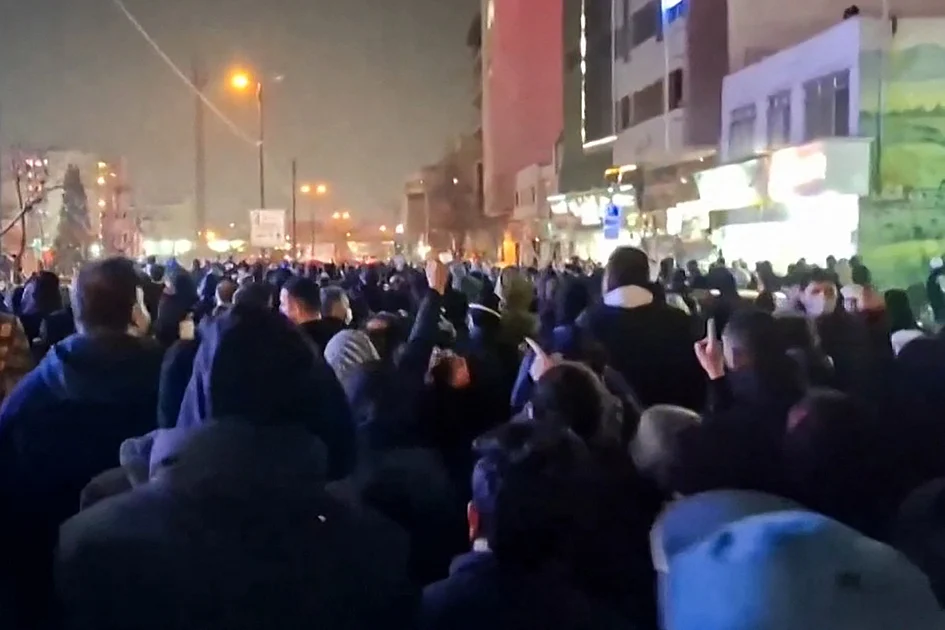
The widespread anti-government protests engulfing Iran have generated significant international repercussions, extending far beyond the nation’s borders and impacting global diplomatic operations, aviation routes, and economic policies. As demonstrations intensified—marking the largest display of civil unrest since 2022—foreign governments swiftly implemented protective measures for their citizens and diplomatic personnel.
Numerous nations, including New Zealand, Britain, and Portugal, initiated emergency embassy closures and evacuations citing deteriorating security conditions. New Zealand relocated its diplomatic operations to Turkey on January 16, while British and Portuguese embassies suspended physical operations entirely, transitioning to remote consular services based on urgent security assessments.
Aviation networks experienced immediate disruption when Iranian authorities implemented an approximate five-hour airspace closure during the night of January 14. This unprecedented measure forced multiple international carriers—including UAE’s flydubai and Indian airlines IndiGo and Air India—to cancel, divert, or reroute flights, creating cascading delays across global air travel networks. Although normal operations resumed relatively quickly, the incident highlighted vulnerabilities in international flight routing dependencies.
Simultaneously, governments worldwide issued urgent travel advisories warning against all non-essential travel to Iran. India specifically cautioned its citizens to avoid protest areas, while the United States emphasized the elevated risk of arbitrary detention for American passport holders. Portugal conducted direct outreach to its nationals residing in Iran, confirming that several had already departed while others chose to remain despite safety concerns.
The economic dimension emerged through former US President Donald Trump’s announcement of impending 25% tariffs on nations conducting business with Iran, though specific implementation mechanisms remained unclear. This declaration particularly concerned trading partners like the UAE, which exports significant quantities of aluminum and gold to American markets.
Oil markets responded with cautious volatility, as Brent crude gained 0.78% to $64.26 per barrel despite receding probabilities of direct military confrontation. Analysts noted that while immediate supply risks had somewhat diminished, underlying tensions continued supporting a geopolitical risk premium on prices, with particular attention to potential disruptions in the Strait of Hormuz—a critical maritime chokepoint for global oil transportation.