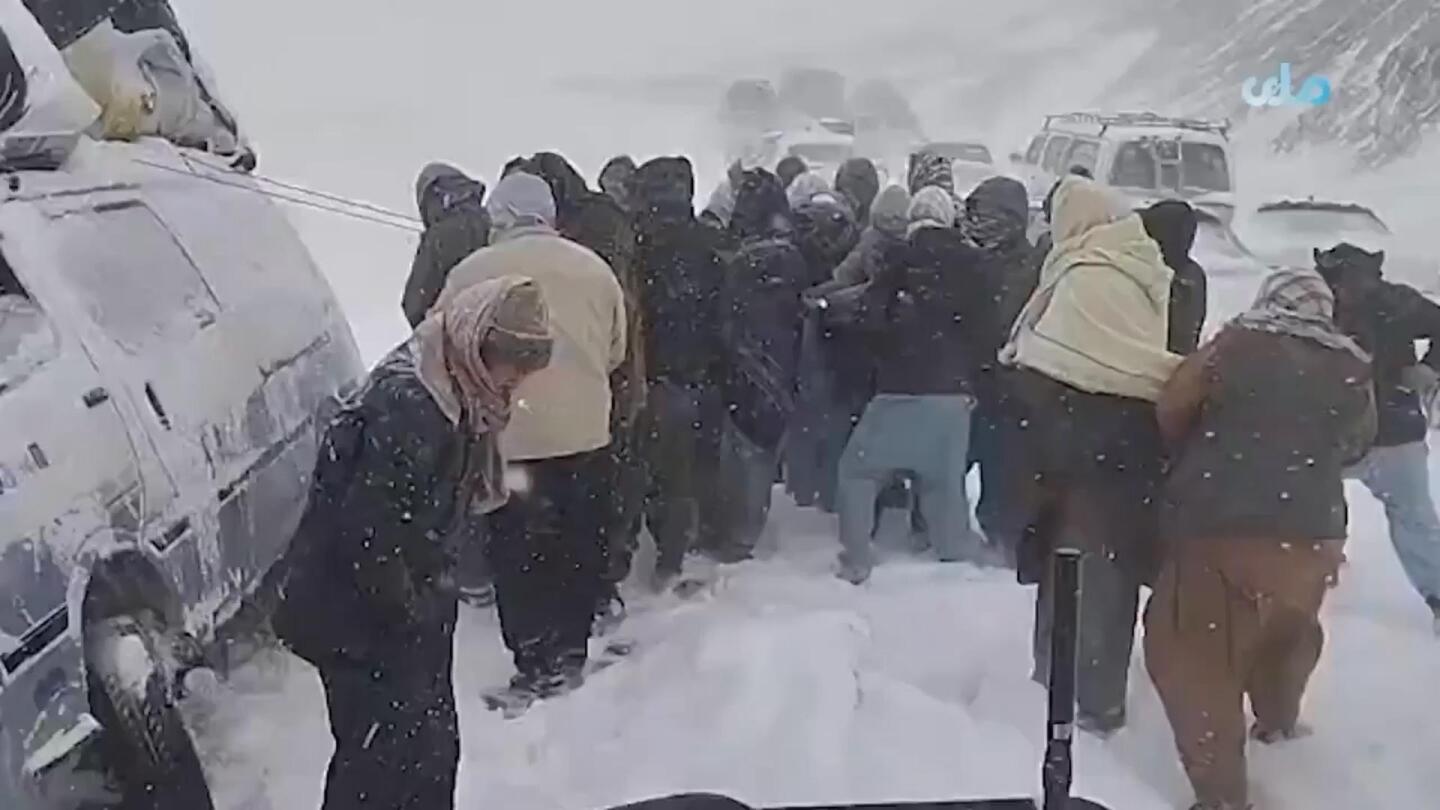
KABUL, Afghanistan — The arrival of the season’s first substantial precipitation has brought both relief and tragedy to Afghanistan, as heavy rains and snowfall ended a prolonged drought but triggered devastating flash floods across multiple regions. Official reports confirm at least 17 fatalities and 11 injuries, with infrastructure suffering significant damage.
Mohammad Yousaf Hammad, spokesman for Afghanistan’s National Disaster Management Authority, detailed the widespread impact of the severe weather that began Monday. The flooding has particularly affected central, northern, southern, and western regions, disrupting daily life and causing substantial damage to property and livestock.
In one tragic incident in Kabkan district of Herat province, five members of a single family perished when their roof collapsed under the weight of the rainfall. According to Mohammad Yousaf Saeedi, spokesman for the Herat governor, two children were among the victims in this devastating event.
The disaster has affected approximately 1,800 families, exacerbating conditions in already vulnerable urban and rural communities. Assessment teams have been deployed to the most severely impacted areas to evaluate the full extent of the damage and determine immediate needs for assistance.
Afghanistan remains particularly vulnerable to extreme weather events due to decades of conflict, inadequate infrastructure, widespread deforestation, and the escalating effects of climate change. Many homes in remote areas are constructed from mud-based materials that offer minimal protection against sudden flooding.
The United Nations and other humanitarian organizations have classified Afghanistan as one of the world’s most severe ongoing humanitarian crises. Earlier this week, the UN launched a $1.7 billion appeal to provide essential assistance to nearly 18 million people in urgent need throughout the country in 2026.