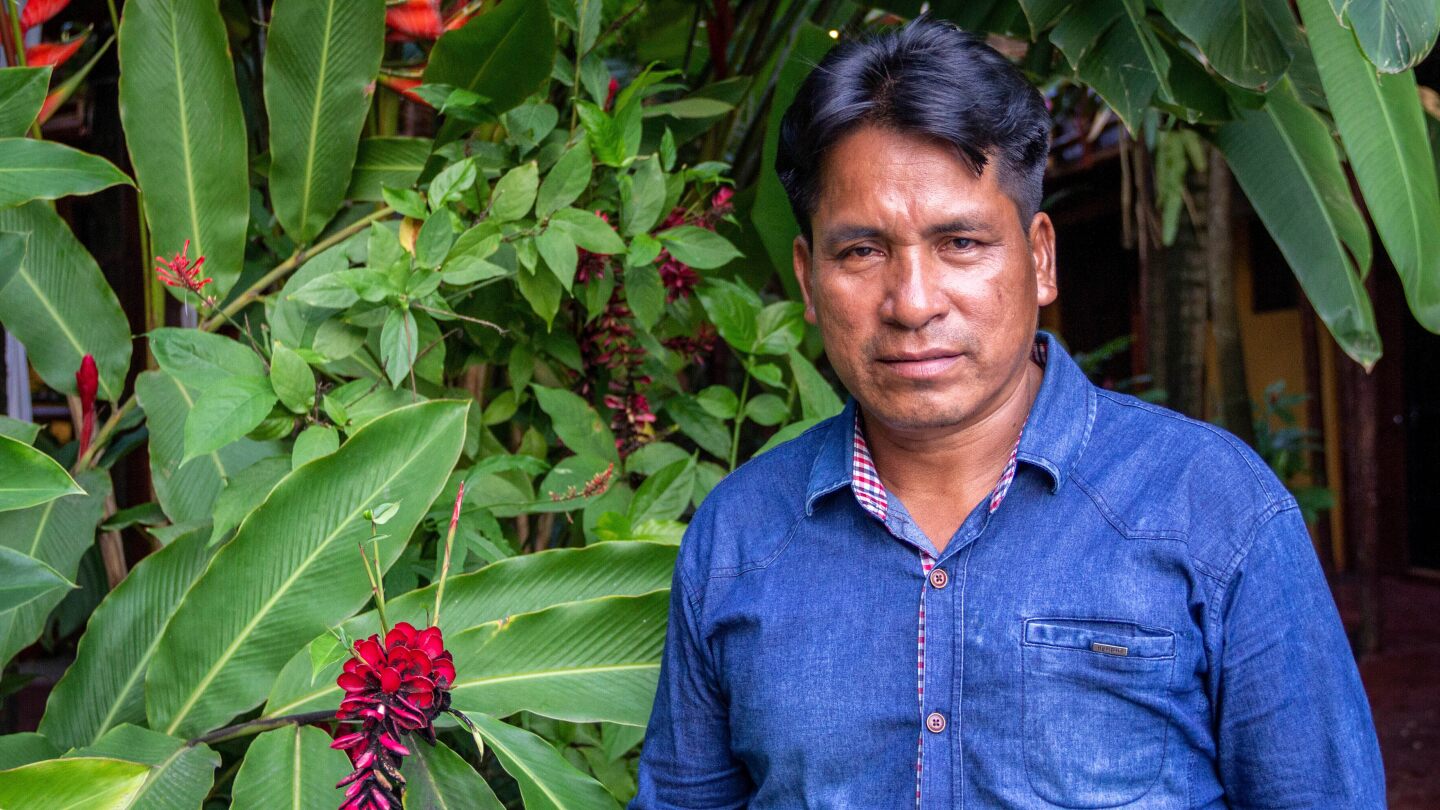
In a groundbreaking legal proceeding, Peru has commenced the trial of five individuals charged with the contract killing of Indigenous Kichwa leader Quinto Inuma Alvarado, marking a pivotal moment for environmental justice in one of the world’s most dangerous regions for land defenders.
The 50-year-old tribal leader from Peru’s northern Amazon region of San Martin was ambushed and fatally shot on November 29, 2023, while traveling by boat along a river route to his community of Santa Rosillo de Yanayacu. The attack occurred shortly after Inuma had participated in an event for Indigenous defenders, culminating years of threats he had received for opposing illegal logging and drug trafficking operations within his community’s territory.
Prosecutors are seeking life sentences—an unprecedented penalty in cases involving the murder of Indigenous environmental defenders in Peru. The case represents the first time contract killing charges have been applied in such a context, with investigators linking the suspects to individuals Inuma had repeatedly reported to authorities for illegal activities.
The judicial process has drawn intense scrutiny from Indigenous organizations, environmental advocates, and international observers who view it as a critical test of Peru’s ability to combat violence associated with illegal deforestation and narcotics trafficking in the Amazon basin. According to human rights groups, at least 35 Indigenous defenders have been killed in Peru over the past decade, with most cases never reaching the courtroom.
Cristina Gavancho, a lawyer with the Lima-based Instituto de Defensa Legal, noted that the killing was ‘a result that was already foreseeable,’ given the persistent threats against Inuma. The prosecution’s case incorporates forensic evidence including gunshot-residue tests and witness testimony placing the accused at the scene around the time of the attack.
The trial has also exposed critical failures in Peru’s protection mechanisms for environmental and Indigenous defenders. Despite being granted official security measures under a state protection mechanism created in 2021, these safeguards were never implemented due to budget constraints, according to legal representatives.
International bodies including the Inter-American Commission on Human Rights and United Nations rapporteurs are monitoring the proceedings closely. Mary Lawlor, the UN Special Rapporteur on human rights defenders, described the investigation as ‘ground breaking’ given that crimes against environmental activists often go uninvestigated in the region.
For Inuma’s family, the trial represents bittersweet justice. His son Kevin, 30, recounted how his father had prepared them for this possibility, stating: ‘He used to tell us that one day they might kill him and that we should be prepared.’ The family has since been forced to abandon their community and traditional way of life, struggling to adapt to urban existence.
Legal experts suggest that convictions in this case could establish a powerful precedent not only for Peru but throughout Latin America, demonstrating that thorough investigations are possible and that lack of resources should no longer justify impunity in killings linked to environmental defense.