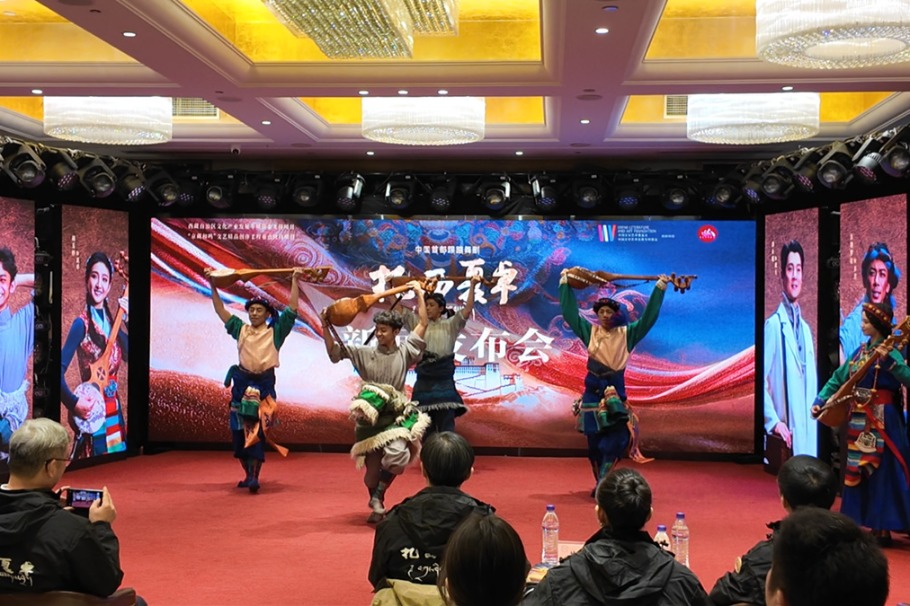
In a groundbreaking cultural fusion, China’s first full-length Tibetan tap dance drama is set to premiere in Beijing on March 28, coinciding with Serfs’ Emancipation Day in Xizang. Titled ‘Tashi Shabdro’ (meaning ‘auspicious dance’), the production represents a significant milestone in bringing traditional Tibetan performing arts to the national stage.
The innovative performance will run from March 28-29 at the prestigious China National Opera House, blending the rhythmic Lhaze Doishey folk dance—recognized as national intangible cultural heritage—with contemporary theatrical elements. The production features a cross-generational narrative that explores themes of national solidarity, cultural devotion, and heritage preservation through the story of an aid doctor, his daughter, and a Tibetan family.
This ambitious project is the result of a collaborative effort between multiple cultural institutions, including the China Federation of Literary and Art Circles, regional publicity authorities, the China Dancers Association, a Xizang-based cultural investment group, and a Beijing aid program office. The development process presented substantial artistic challenges, requiring three years of dedicated work by multiple choreographic teams who overcame the practical difficulties of high-altitude rehearsals.
Huang Doudou, vice-chair of the China Dancers Association, emphasized the production’s cultural significance, noting that adapting traditional Tibetan tap dance into a full-length dramatic format while preserving its authentic roots and distinctive artistic style required innovative approaches. The production marks the beginning of a new chapter for Tibetan performing arts, potentially paving the way for broader recognition and preservation of the region’s cultural traditions.