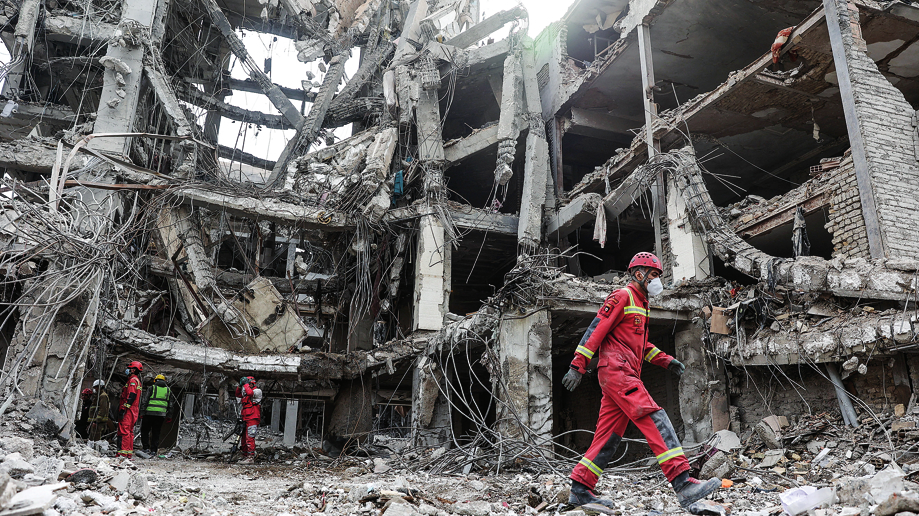
The Middle East conflict involving Israel, the United States, and Iran has intensified dramatically as it enters its third week, with regional casualties surpassing 2,000 amid growing international concerns about a potential global energy crisis.
In a significant humanitarian response, the Red Cross Society of China has pledged $200,000 in emergency assistance to the Iranian Red Crescent Society. This special funding is designated specifically to support families affected by the devastating attack on Shajareh Tayyebeh primary school in Iran’s Hormozgan Province, where numerous children were among the 175 reported fatalities.
Foreign Ministry spokesman Guo Jiakun expressed profound condolences, stating: “Attacking schools and harming children constitutes a serious violation of international humanitarian law and gravely offends the moral conscience of humanity.” Preliminary military investigations suggest a US missile may have struck the educational facility.
The maritime theater witnessed heightened tensions as Iran’s navy claimed to have launched coastal anti-ship missiles toward the USS Abraham Lincoln approximately 340 kilometers from Iran’s maritime borders in the Sea of Oman. Iranian state television reported the aircraft carrier and its strike group were observed “fleeing the area at high speed,” though US officials promptly dismissed these claims, asserting no evidence supported the allegation of targeting or impact.
Energy markets face unprecedented disruption as approximately 1,000 commercial vessels remain gridlocked in the Persian Gulf, creating a shipping crisis that analysts warn could surpass the scale of the 1980s Tanker War. Despite the International Energy Agency’s coordinated release of 400 million barrels from global petroleum reserves—the largest in the agency’s history—oil prices continue hovering around $100 per barrel.
Retired Royal Navy officer Tom Sharpe noted: “There was a much higher tolerance to run the gauntlet back then but the threat was less and the Iranians had nothing like the missile and drone arsenal they have now, which is more like the tanker wars on steroids.”
The conflict has expanded geographically with heavy exchanges of drones and missiles reported across multiple nations. Saudi Arabia’s Defense Ministry confirmed intercepting over 50 drones, including one targeting the Diplomatic Quarter in Riyadh. The UAE engaged 278 ballistic missiles, 15 cruise missiles, and 1,540 drones since hostilities began, with debris from intercepted projectiles falling in central Dubai.
In a concerning development, a US military refueling plane crashed in Iraq, with the Islamic Resistance in Iraq claiming responsibility for downing the aircraft and killing all crew members. Meanwhile, France announced its first military casualty in the Erbil region, signaling the conflict’s expanding international footprint.