Pakistan’s military has publicly released video evidence purporting to show airstrikes conducted against targets within Afghanistan’s capital city of Kabul, marking a significant intensification of hostilities between the neighboring nations. The nighttime assaults, which also targeted regions in Paktia and Kandahar provinces, triggered panic among residents of District 6 who reported structural vibrations and aerial activity during the attacks.
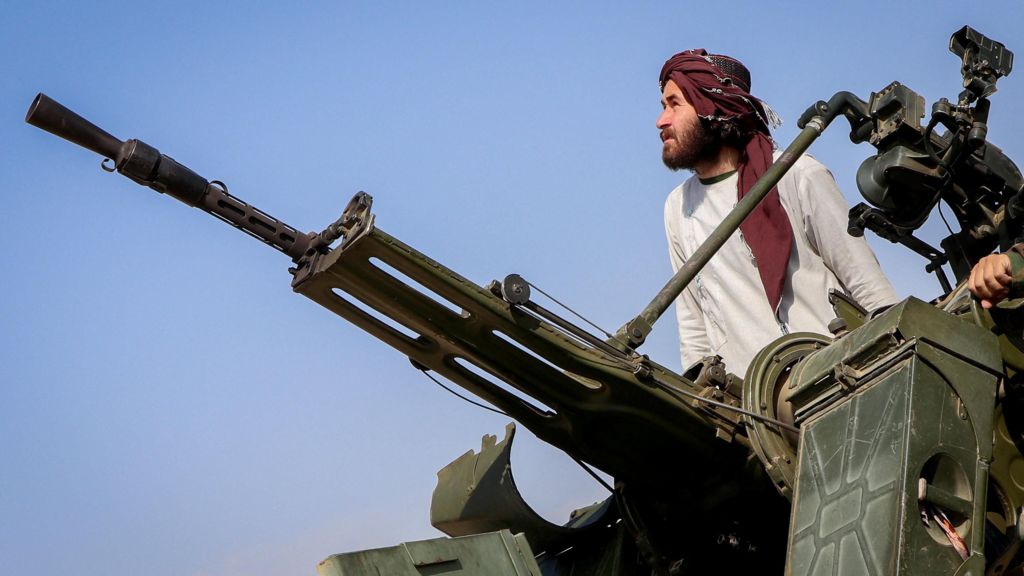
This military escalation follows retaliatory ground operations conducted by Afghanistan’s Taliban government against Pakistani border positions earlier the same evening. Taliban authorities assert their offensive successfully captured multiple military posts and resulted in Pakistani soldier casualties, characterizing their actions as justified retaliation for prior Pakistani incursions that allegedly killed Afghan civilians, including women and children.
Islamabad maintains a contradictory narrative, insisting its aerial campaigns exclusively target militant strongholds belonging to the Tehreek-i-Taliban Pakistan (TTP). Pakistani officials cite ‘conclusive evidence’ linking TTP to recent domestic terrorist attacks, including the Islamabad Shia mosque bombing that claimed over thirty lives. They further allege the Taliban government provides active support to TTP operatives planning cross-border assaults.
The Taliban government consistently denies permitting its territory to be used against neighboring states, condemning Pakistan’s military actions as ‘unprovoked aggression’. This latest confrontation continues a pattern of border violence that peaked in October 2025, when previous mediation attempts by Qatar and Turkey produced only temporary ceasefires without resolving underlying tensions.
Military analysts note the fundamental asymmetry between Pakistan’s conventional military superiority and the Taliban’s proven guerrilla warfare capabilities. While Pakistan commands advanced aircraft and defense technology, the Taliban government has demonstrated increasing drone warfare proficiency despite limited aerial capabilities. The conflict’s trajectory remains difficult to assess due to severely restricted media access and unreliable information from remote border regions.
The prolonged closure of bilateral trade routes since October 2025 has exacerbated humanitarian challenges within Afghanistan, where civilians already facing severe economic hardship now confront the renewed trauma of aerial bombardment after briefly experiencing post-2021 security.