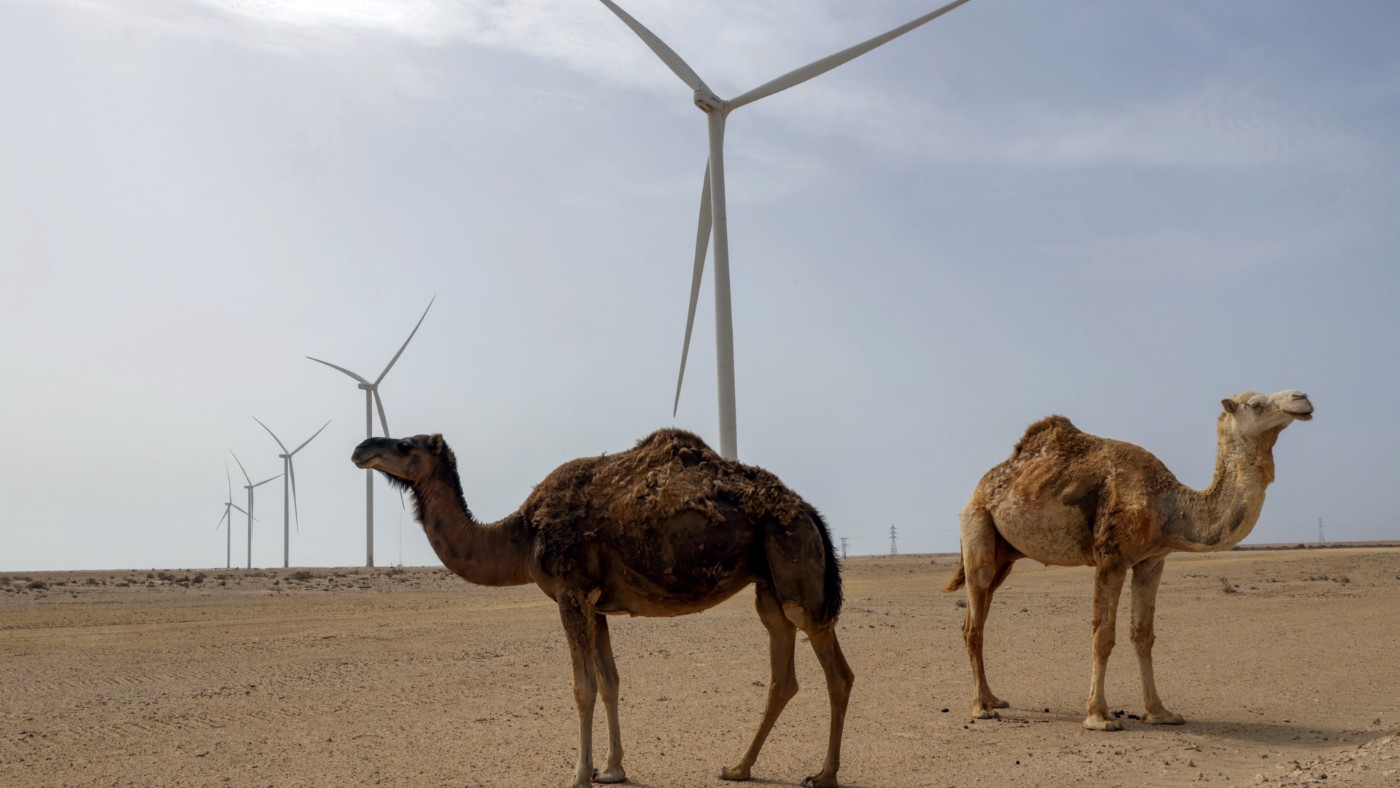
In late October 2020, Minatu Ljatat, a Sahrawi refugee from the Awserd camp in southwestern Algeria, joined a group of 200 activists to protest at the Guerguerat crossing in occupied Western Sahara. Known as the “plunder corridor,” this area is the primary route for Morocco to export resources from the territory it has controlled since 1975. The activists aimed to block traffic, including trucks transporting fish from Moroccan-occupied waters, in a peaceful demonstration for Sahrawi independence. However, on November 13, Morocco forcibly removed the protesters, prompting the Polisario Front to end a ceasefire that had held since 1991. This marked a turning point in the decades-long conflict, as foreign companies from France, Spain, Israel, and the U.S. intensified their exploitation of Western Sahara’s resources, often under the guise of renewable energy projects. Despite legal challenges in the European Court of Justice, Sahrawis feel increasingly marginalized, with many advocating for a return to armed struggle. The international community’s complicity in Morocco’s occupation has further complicated efforts for self-determination, leaving the Sahrawi people in a precarious position. Ljatat, who fled her homeland in 1976, remains hopeful for a free Western Sahara but laments the lack of progress. The conflict, often referred to as Africa’s last colonial struggle, continues to draw global attention as the Sahrawis fight for their right to exist on their ancestral land.