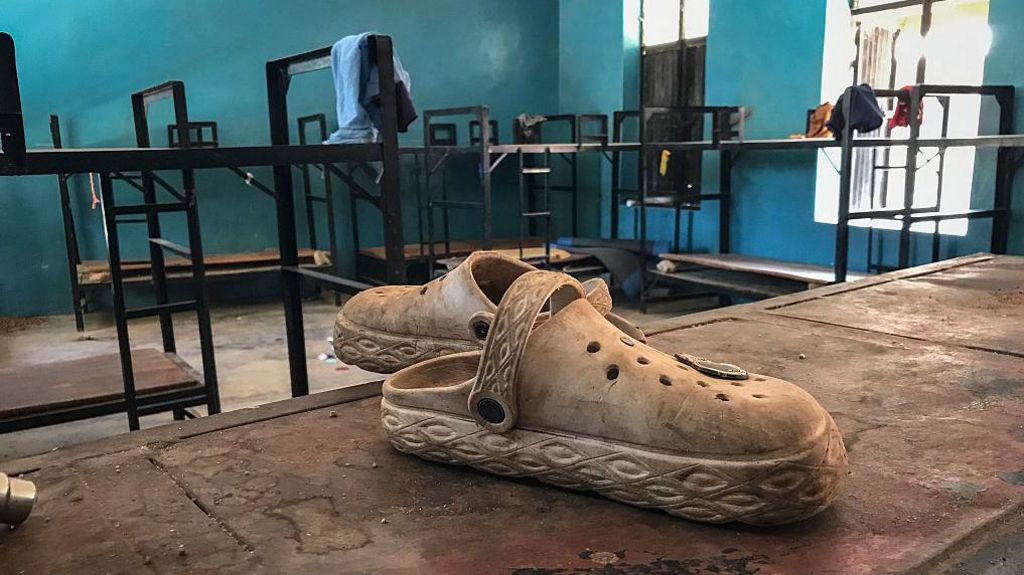
In a dramatic turn of events, fifty of the 315 children abducted by armed gunmen from St. Mary’s Catholic School in Niger State, Nigeria, have managed to escape and reunite with their families. The mass kidnapping, which occurred early Friday morning, has plunged the nation into a state of anguish and prompted a large-scale military-led search and rescue operation for the remaining 265 children and 12 teachers still in captivity. Pope Leo XIV expressed profound sorrow over the incident, urging Nigerian authorities to act swiftly to secure the release of the abductees. The escape of the children, described as a courageous and perilous effort, has brought a glimmer of hope to families and a nation grappling with the escalating crisis of school abductions. The incident has drawn comparisons to the infamous 2014 Chibok kidnapping, where 276 girls were taken by Boko Haram. In response to the escalating security threats, authorities in Niger, Kebbi, Katsina, Yobe, and Kwara states have ordered the closure of schools. Nigerian President Bola Tinubu has postponed foreign engagements, including the G20 summit in South Africa, to address the growing security concerns. The kidnapping epidemic, driven by criminal gangs known as bandits, has become a pervasive issue in Nigeria, with ransom demands fueling the cycle of violence. Despite the outlawing of ransom payments, the practice persists, exacerbating the crisis. The recent wave of attacks has also reignited debates about religious persecution, with U.S. figures alleging targeted violence against Christians. However, the Nigerian government has dismissed these claims, emphasizing that terrorist groups target individuals indiscriminately, regardless of faith. Analysts argue that many conflicts in Nigeria are rooted in competition for resources rather than religious differences. As the search for the missing children intensifies, the nation remains on edge, grappling with the broader implications of this tragic event.