FIFA President Gianni Infantino has expressed strong confidence in Mexico’s capability to host the 2026 World Cup matches despite recent widespread cartel violence triggered by the killing of a major drug lord. In his first public comments on the security situation, Infantino stated he felt “very reassured” about safety preparations during an event in Barranquilla, Colombia, emphasizing that the tournament would be “spectacular.”
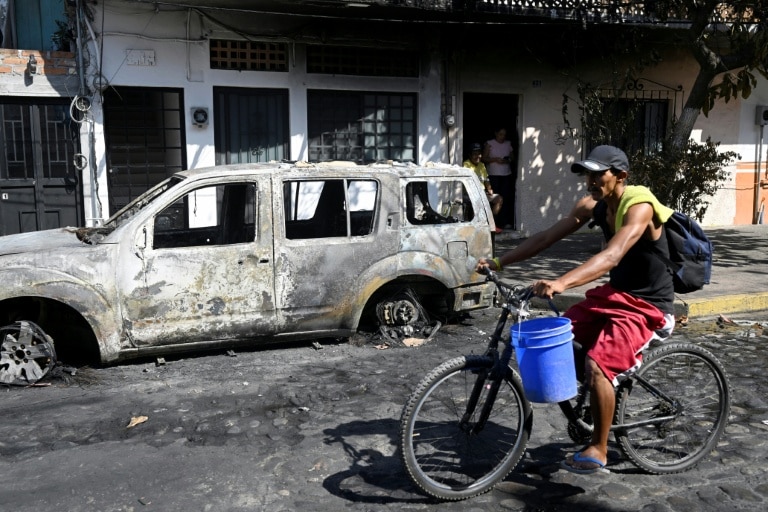
The violence erupted following the military operation that resulted in the death of Nemesio ‘El Mencho’ Oseguera, leader of the powerful Jalisco New Generation Cartel (CJNG). The confrontation at a ranch near Guadalajara and subsequent clashes claimed at least 74 lives, primarily cartel members and security forces, with only one civilian casualty reported. The backlash saw cartel gunmen block roads across 20 Mexican states, burning vehicles and businesses in coordinated attacks.
Mexican President Claudia Sheinbaum joined Infantino in assuring international visitors, stating there is “no risk” to World Cup fans and that normalcy is gradually returning. Guadalajara, scheduled to host four group-stage matches including a highly anticipated Uruguay-Spain clash, remains confirmed as a host city despite the violence. Jalisco Governor Pablo Lemus explicitly ruled out any change in venue arrangements, asserting “absolutely no risk” to the tournament lineup.
The security operation against Oseguera, who had a $15 million US bounty, involved intelligence cooperation with American authorities though no US forces participated directly. The CJNG, formed in 2009, has grown into one of Mexico’s most violent drug cartels, surpassing even the Sinaloa cartel formerly led by Joaquin ‘El Chapo’ Guzman.
Economic impacts are already emerging, with Japanese automaker Honda temporarily suspending operations at its Guadalajara assembly plant as a precautionary measure. Mexico’s significant automotive manufacturing sector, including facilities operated by Ford, General Motors, BMW, and Audi, represents a crucial component of the nation’s industrial infrastructure serving North American and European markets.
With the World Cup playoff tournament scheduled for Guadalajara and Monterrey in late March, all eyes remain on Mexico’s security preparedness as the country approaches the global sporting event alongside co-hosts United States and Canada.