The United States finds itself navigating an increasingly complex military stalemate as its conflict with Iran extends beyond initial expectations. Despite achieving a decapitation strike that eliminated Supreme Leader Ali Khamenei and numerous high-ranking officials in late April, Washington discovers that regime change remains elusive against Tehran’s strategically prepared defenses.
Iran has demonstrated remarkable resilience through its implemented ‘mosaic defense’ doctrine—a decentralized military command structure developed precisely to withstand leadership decapitation. This strategic framework, formulated in 2005 following American interventions in Iraq and Afghanistan, has enabled continuous retaliatory capabilities despite significant leadership losses. The regime promptly installed a new supreme leader while maintaining operational coherence.
The conflict has escalated into global economic warfare, with Iran leveraging its strategic position along the Strait of Hormuz—a vital maritime corridor handling approximately 20% of global crude oil traffic. Tehran’s campaign has effectively weaponized energy markets through targeted strikes on oil tankers, Dubai’s marina infrastructure, and near-complete closure of the critical waterway. Consequently, oil prices have skyrocketed worldwide, triggering fuel rationing from Bangladesh to Nigeria and prompting the release of 400 million barrels from strategic petroleum reserves.
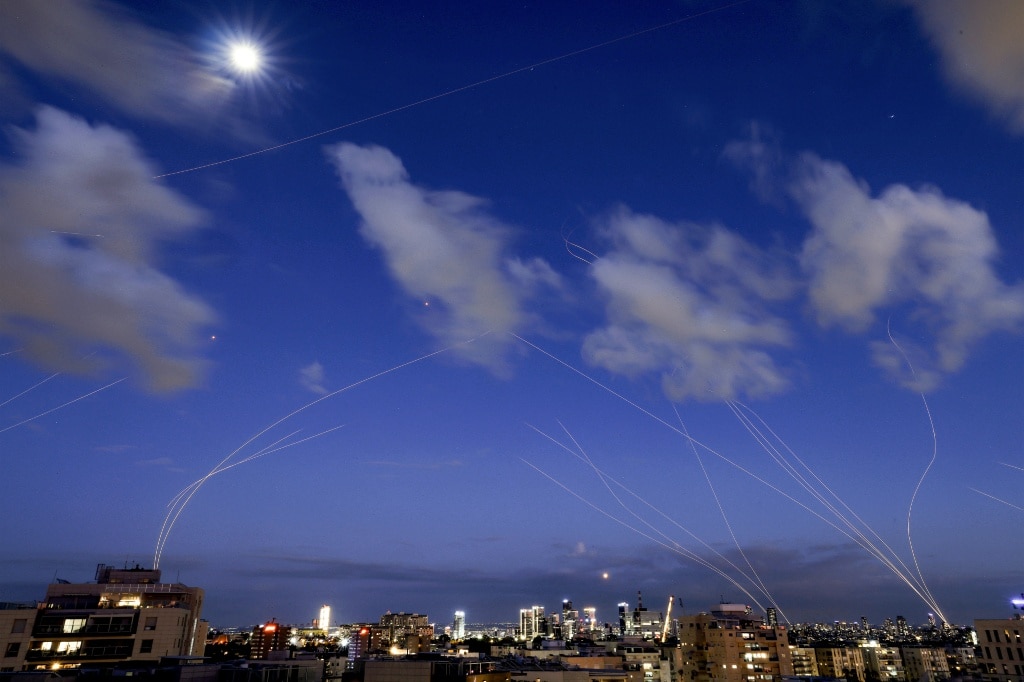
Regional stability has unraveled as Iran-activated proxies exchange missile fire with Israel through Hezbollah forces in Lebanon, while Huthi rebels disrupt Red Sea shipping lanes. The Gulf region witnesses fleeing expatriates and diminished air traffic as its business-friendly reputation deteriorates rapidly.
Analysts question Washington’s strategic assumptions, noting the disparity between operational superiority and strategic understanding of Iranian resilience. The administration faces mounting domestic pressure as rising fuel prices influence upcoming congressional elections, with lawmakers expressing concerns about voter backlash.
Iran executes a calculated three-phase strategy: ensuring regime survival, maintaining retaliatory capacity, and prolonging conflict to secure favorable terms. Though facing internal challenges including public salary payments and potential security force loyalty issues, Tehran continues leveraging economic warfare to pressure American leadership.
With no clear exit strategy, the conflict potentially evolves toward ground operations, extended hostilities, or proxy ethnic conflicts—all representing increasingly perilous escalation pathways as missiles continue impacting targets within Iran and across the broader region.