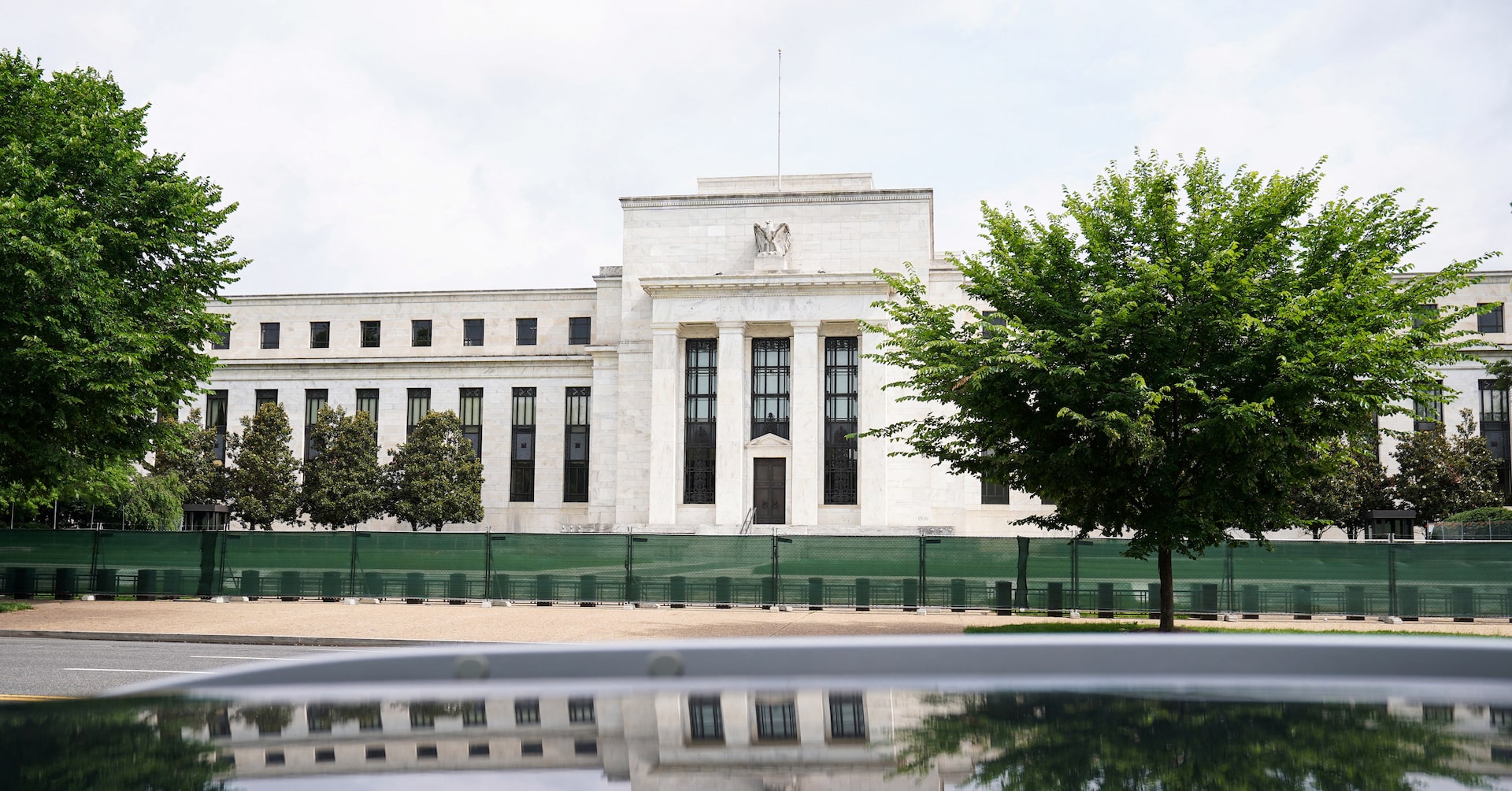
In a week marked by significant monetary policy decisions, the U.S. Federal Reserve delivered its first rate cut since December, signaling a shift in its approach to economic challenges. This move contrasts sharply with other major central banks, including the Bank of England and the Bank of Japan, which opted to maintain their current rates. The divergence in policy reflects the varying economic conditions and inflation pressures across global markets. The Bank of Canada, however, reduced its key rate to a three-year low of 2.5%, citing a weak jobs market and subdued price pressures. Meanwhile, the European Central Bank (ECB) kept its rates steady, with markets anticipating limited further cuts. The Swiss National Bank also held its rates, though discussions about a potential return to negative rates persist. In the Asia-Pacific region, the Reserve Bank of New Zealand is expected to cut rates further, while the Bank of Japan maintained its short-term rates but hinted at future hikes. These decisions underscore the complex balancing act central banks face as they navigate inflation, growth, and employment dynamics in an uncertain global economy.