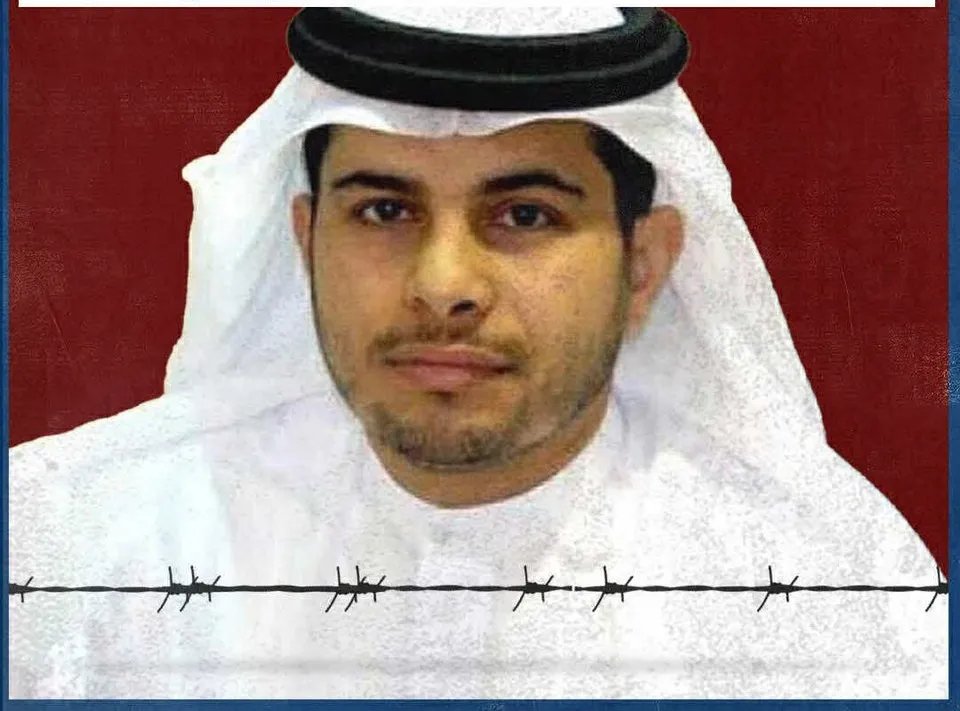
The recent abduction of Jassem Rashid al-Shamsi, an Emirati dissident and political activist, near Damascus has raised alarm among his family and human rights organizations. Shamsi, a former UAE government official, was seized by Syrian security forces on November 6 while traveling to the Damascus suburb of Ein Tarma. His wife, who was present during the incident, reported that armed men in black took him without presenting a judicial warrant or stating any charges. She has since been denied access to her husband and fears he may be forcibly extradited to the UAE, where he faces a life sentence on terrorism-related charges.
Shamsi was previously imprisoned during the UAE’s notorious ‘UAE 94’ trial in 2013, which targeted activists, lawyers, and academics advocating for democratic reforms. The trial was widely criticized as unfair, with defendants accused of plotting to overthrow the government—a charge they denied. In December 2023, Shamsi was implicated in the ‘UAE 84’ case, leading to a life sentence in July 2024.
Human rights groups, including the Emirates Detainees Advocacy Centre (EDAC) and the Arab Organisation for Human Rights in the UK (AOHR UK), have condemned Shamsi’s disappearance as a violation of international law. AOHR UK accused Syria of acting on behalf of the UAE in a case of ‘transnational repression.’ Alkarama, a Swiss-based NGO, warned that extraditing Shamsi to the UAE would breach Syria’s obligations under the Convention against Torture.
Mohammed bin Saqr Al Zaabi, a former UAE judicial advisor, questioned the legality of Shamsi’s arrest, noting that he had legally resided in Syria for ten months without prior issues. The Syrian government has yet to comment on the case, leaving Shamsi’s fate uncertain and intensifying concerns over his safety and the broader implications for political exiles in the region.