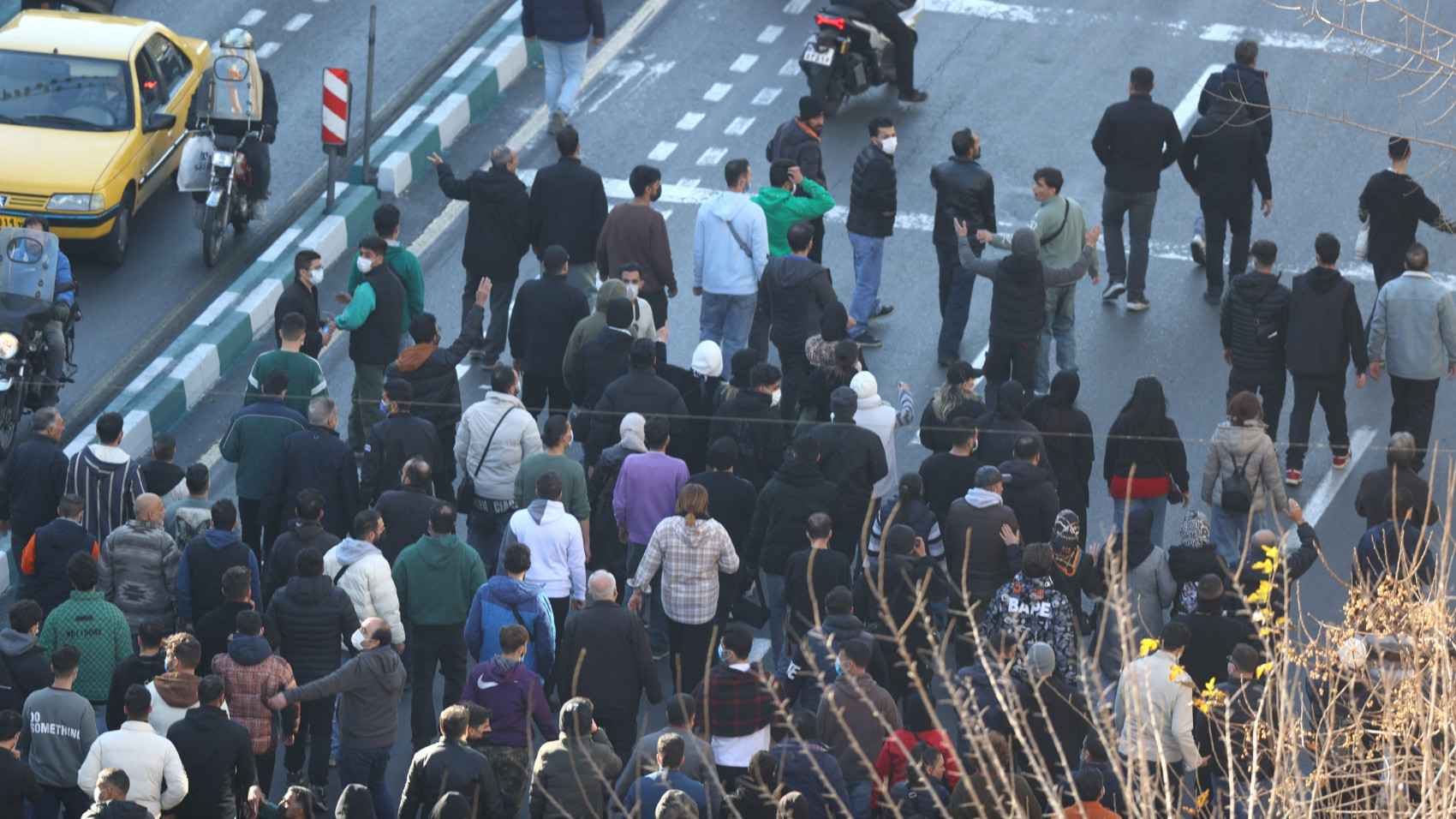
A complex pattern of protest participation is emerging across Iran’s Kurdish regions as nationwide demonstrations triggered by a severe economic crisis continue to unfold. While western provinces with Shia Kurdish majorities have witnessed the most violent clashes, the northern Kurdish towns that ignited the historic 2022 uprising have remained notably quiet—a phenomenon experts attribute to the lingering trauma of previous state repression.
According to documentation by the Kurdish-Iranian rights organization Hengaw, the most intense recent protests and government crackdowns have occurred in western provinces including Ilam and Kermanshah. This stands in stark contrast to northern Rojhelat Kurdish cities such as Saqqez—the hometown of Mahsa Amini, whose 2022 death in police custody sparked the ‘Woman, Life, Freedom’ movement—and Sanandaj, the provincial capital of Kurdistan, where significant street protests have been conspicuously absent.
Kurdish journalist Kaveh Ghoreishi confirms this geographical divergence, noting that activists attribute the hesitation in northern Kurdish areas to the devastating consequences they suffered during the 2022 demonstrations. The previous crackdown resulted in hundreds killed and wounded, thousands detained, and dozens facing capital charges, creating what Zhila Mostajer of Hengaw describes as ‘little capacity to endure further sacrifice.’
The current protest movement began in Tehran on December 28th, initially focusing on economic grievances including spiraling prices and currency devaluation before evolving into broader anti-government sentiment. Demonstrations have since spread across 111 cities in 31 provinces, though demands vary significantly by region according to Mostajer, who notes that while economic hardship affects all areas, Kurdish protests have maintained explicitly political objectives calling for regime change.
Kurdish political organizations have pursued a strategy of solidarity strikes rather than mass gatherings. On January 5th, seven Kurdish parties from the Dialogue Centre for Inter-Party Cooperation called for a general strike, which was observed in over 57 towns across Iranian Kurdistan according to Arash Saleh of the Democratic Party of Iranian Kurdistan. While injecting momentum into the national movement, most towns refrained from subsequent physical protests, possibly due to concerns about supporting Reza Pahlavi, the exiled son of Iran’s last shah, who has been promoted as a leader by some Persian-language media.
Hussein Yazdanpana, leader of the Kurdistan Freedom Party (PAK), emphasizes that different Kurdish regions have varying capacities for mobilization, with western areas now bearing the brunt of protest activity while northern regions recover from the 2022 crackdown. The conflict has already turned deadly, with four PAK fighters reportedly killed in clashes with security forces in Malekshahi on January 7th.
International dimensions have emerged as Yazdanpana calls for the implementation of statements by U.S. President Donald Trump, who initially vowed intervention if protesters were killed but later suggested some deaths resulted from stampedes—a claim disputed by Kurdish leaders. With documented protester deaths ranging from 25 to 42, including minors, and thousands detained, the situation remains volatile with significant potential for further expansion according to Kurdish political representatives.