The recent death of Nemesio Oseguera Cervantes, alias “El Mencho,” Mexico’s most-wanted drug lord, has exposed a dangerous paradox in the nation’s war against cartels. While Mexican special forces are being praised for this tactical victory, the elimination of powerful cartel leaders often triggers devastating internal power struggles that escalate violence in affected regions.
In Culiacán, the capital of Sinaloa state, paramedics Héctor Torres and Julio César Vega navigate a city gripped by constant fear. Their emergency call volume has surged by over 70% in the past year as they respond to shooting after shooting, most ending with another corpse and grieving relatives. The medics operate in full body armor—14kg of Kevlar and armor plate—recognizing that tending to victims might make them targets themselves.
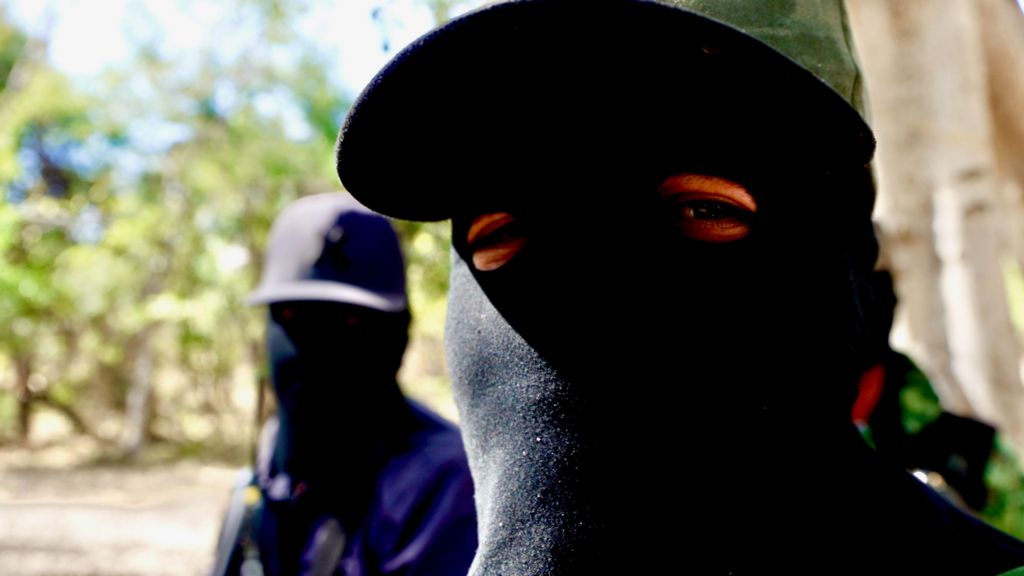
The current violence stems from a schism within the Sinaloa cartel, once a unified criminal empire now fractured into warring factions. This internal conflict began when the son of one leader betrayed another, creating a deadly feud that has transformed the region into a battleground. The situation worsened after the removal of cartel leader Ismael “El Mayo” Zambada, now imprisoned in the United States.
The brutality extends beyond targeted killings to include horrific acts of intimidation. Victims are frequently tortured, mutilated, and displayed publicly with threatening messages between factions. Schools, hospitals, and even funerals have been attacked, demonstrating that no place remains safe in this escalating conflict.
The human toll extends beyond the immediate violence to a growing crisis of disappearances. Reynalda Pulido leads Mothers Fighting Back, a group searching for missing loved ones. These women probe fields with metal rods, smelling the earth for the distinctive odor of decomposition, hoping to find closure regarding their disappeared family members.
At the root of this misery lies the fentanyl trade. In a cartel-operated laboratory, a producer known as “Román” demonstrates how the organization packages kilograms of the deadly opioid worth up to $29,000 each for shipment to American cities. He expresses no remorse for his role in a trade that has cost tens of thousands of lives, arguing that consumer demand justifies continued production.
The Mexican government claims progress in combating drug trafficking, citing a 50% reduction in fentanyl supplies to the U.S. and deploying thousands of troops to Sinaloa. Yet paramedics Torres and Vega recently experienced a rare moment of hope when they successfully treated two shooting victims—the first survivors they had encountered since November—highlighting both the brutality of the conflict and the resilience of those fighting to save lives amidst the carnage.