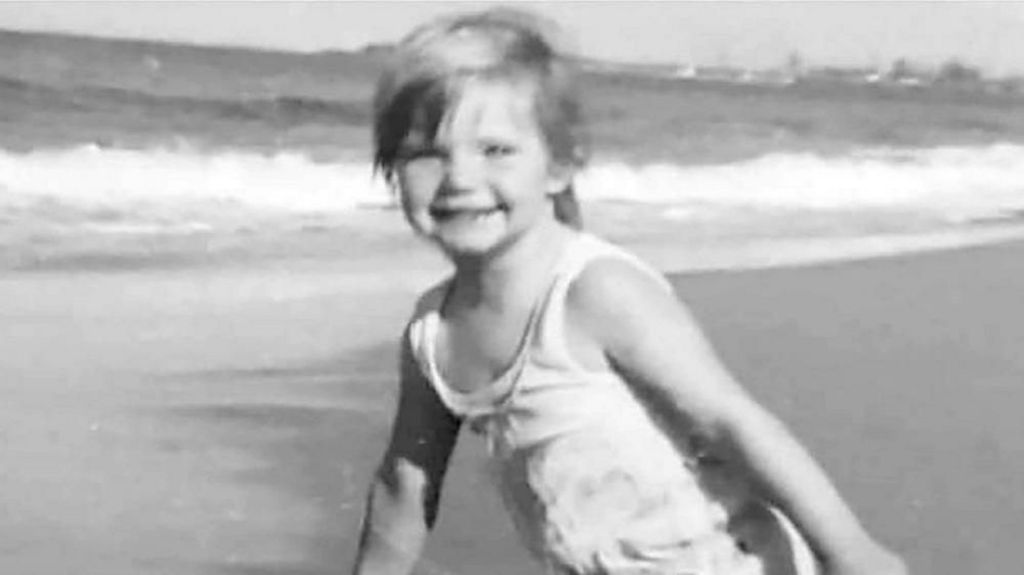
It has been more than five and a half decades since a three-year-old British toddler vanished from an Australian beach, and the long-running fight for justice for the young victim has hit another devastating roadblock.
Cheryl Grimmer, a native of Bristol, had only just relocated with her family to Australia when she disappeared in January 1970 from Fairy Meadow Beach near Wollongong, just outside Sydney. The toddler was waiting in beach changing rooms while her older brother, who was supervising her at the time, turned away for a matter of seconds – by the time he looked back, Cheryl was gone. Extensive searches across the area turned up no clues about what happened to her, leaving the family trapped in decades of unresolved grief.
Decades after the disappearance, the case saw a major breakthrough in 2017, when investigators charged a man in his 60s with Cheryl’s abduction and murder. The case, however, collapsed before it could go before a full trial in 2019, after a judge ruled that a confession the suspect had given as a teenager was inadmissible in court. The man, who cannot be named publicly for legal reasons and is only referred to as ‘Mercury’, has consistently denied any involvement in Cheryl’s death, and prosecutors were forced to drop all charges.
In the years that followed, Cheryl’s family mounted a years-long public campaign to pressure authorities to revisit the case. The 2022 BBC podcast *Fairy Meadow*, which explored the full details of the disappearance and its aftermath, brought renewed attention to the cold case, and at least one new witness came forward with potential information after the series aired.
Earlier this year, New South Wales Director of Public Prosecutions (DPP) Sally Dowling agreed to revisit the original 2019 decision to drop the case, in response to repeated requests from the Grimmer family. But in a recent letter to the family, Dowling confirmed she would not reverse the original decision, upholding the judge’s ruling to exclude the confession.
In the letter, Dowling explained that she had conducted a full fresh review of the case to determine whether the original decision to end proceedings was justified. She noted that the core question of the review was whether the trial judge’s ruling to throw out the recorded confession could be reasonably challenged. After careful examination, she concluded the ruling was sound, and the original decision to drop further prosecution would stand. Acknowledging the outcome would be hard for the family, Dowling offered to meet with them to discuss the decision further.
The Grimmer family, who submitted hundreds of pages of detailed legal arguments to support their request to reopen the case, says they have been left furious and heartbroken by what they describe as a cursory, brief response to their years of campaigning. They have now sent a formal reply to the DPP demanding a more thorough explanation of how their legal arguments were addressed in the review.
Ricki Nash, Cheryl’s eldest brother, said the decision and its limited explanation was ‘incredibly difficult to accept’. He reflected on the life the toddler was never able to live: ‘Cheryl was three years old. She never got the opportunity to grow up, have a career, fall in love, have children or live the life that was taken from her. Our family has spent more than half a century living with that loss.’
Despite the setback, the family says they will not abandon their fight. ‘We have continued fighting because we believe Cheryl deserves to have the circumstances surrounding her disappearance and death properly examined,’ Nash said. ‘Our family is devastated and angry, but we are not going to stop asking questions – we owe that to Cheryl.’