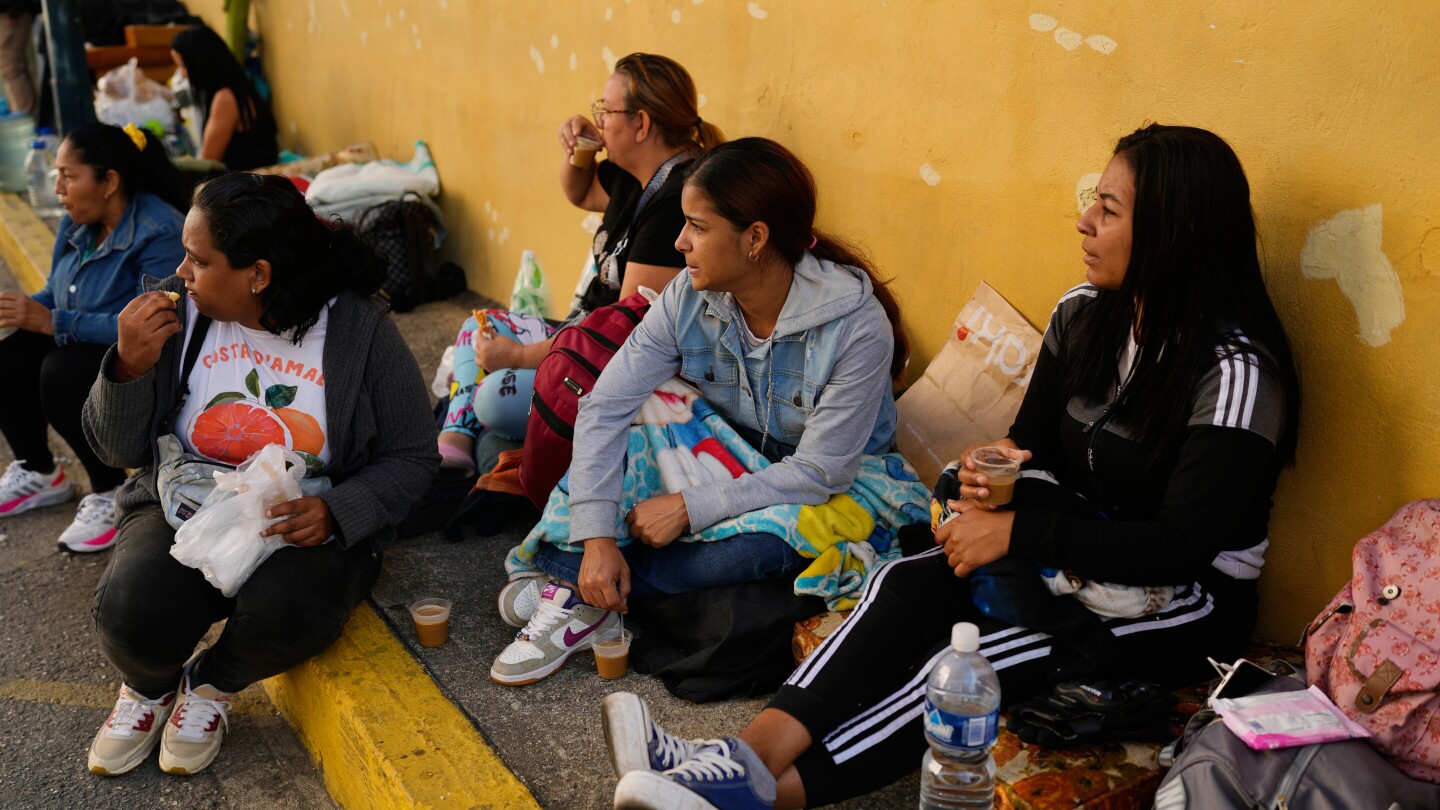
CARACAS, Venezuela — Despite government assurances of a significant prisoner release initiative, Venezuelan families continue enduring agonizing waits outside detention facilities. The promised liberation of opposition figures, civil society leaders, and journalists—announced as a goodwill gesture following recent political tensions—has materialized in mere trickles rather than the anticipated flow.
Yaxzodara Lozada represents countless relatives who have maintained vigil outside prisons since Thursday, when acting President Delcy Rodríguez’s administration pledged releases to ‘seek peace.’ Lozada described waking freezing on sidewalks after overnight waits, hoping for her police officer husband’s freedom after his unexplained November 17 detention.
While Venezuelan commerce and daily life show signs of normalization with reopened malls, schools, and gyms—a week after the stunning U.S.-linked operation against President Nicolás Maduro—the prisoner release program remains shrouded in opacity. Officials have neither identified candidates nor specified numbers for potential releases, forcing human rights organizations to scour for fragmentary information.
As of Monday afternoon, the Venezuelan advocacy group Foro Penal had verified only 49 releases, including several foreign nationals holding Italian, Spanish, Argentine, Israeli and Colombian citizenship. This limited number has drawn sharp criticism from international observers and desperate families alike.
The UN-backed fact-finding mission on Venezuela acknowledged the releases while emphasizing they ‘fall far short’ of demands for ‘immediate and unconditional release of all political prisoners.’ Meanwhile, the White House confirmed Venezuelan opposition leader María Corina Machado will meet with U.S. President Donald Trump on Thursday, following Trump’s Saturday claim that releases occurred at Washington’s request.
At prison gates, relatives like Jenny Quiroz voice desperate skepticism. Her husband was detained November 26 at his Caracas pharmacy for allegedly criticizing the government in a WhatsApp group. ‘These are two realities,’ Quiroz observed, noting normal school activities continuing adjacent to anguished family vigils. ‘They want the world to see that everything is normal… but it’s a mixture of anguish, despair.’
As security forces deployed to public schools for post-holiday reopening, teachers prepared for student questions about January’s attack—though preschool teacher Ángela Ramírez reported her students displayed more excitement about returning to classrooms than interest in political developments.