The recent diplomatic engagement between Iranian and US officials in Muscat on February 6 represents a significant departure from fifteen years of escalating tensions. Rather than a prelude to inevitable conflict, these negotiations mark a pragmatic recognition by both nations that coercive strategies have ultimately failed to achieve their objectives.
Washington’s approach toward Tehran has encompassed extensive sanctions, cyber operations, targeted strikes, and support for regional adversaries. Similarly, Iran has sustained substantial economic damage and seen its regional networks weakened. Despite this mutual pressure, neither regime change nor capitulation has occurred, demonstrating the limitations of confrontation.
Diplomatic scholars recognize the Muscat talks as an initial phase in what promises to be a complex process. The discussions, mediated by Omani Foreign Minister Badr Albusaidi, enabled both parties to communicate fundamental concerns and establish preliminary boundaries. Iranian Foreign Minister Abbas Araghchi’s personal participation underscores Tehran’s serious engagement with this diplomatic initiative.
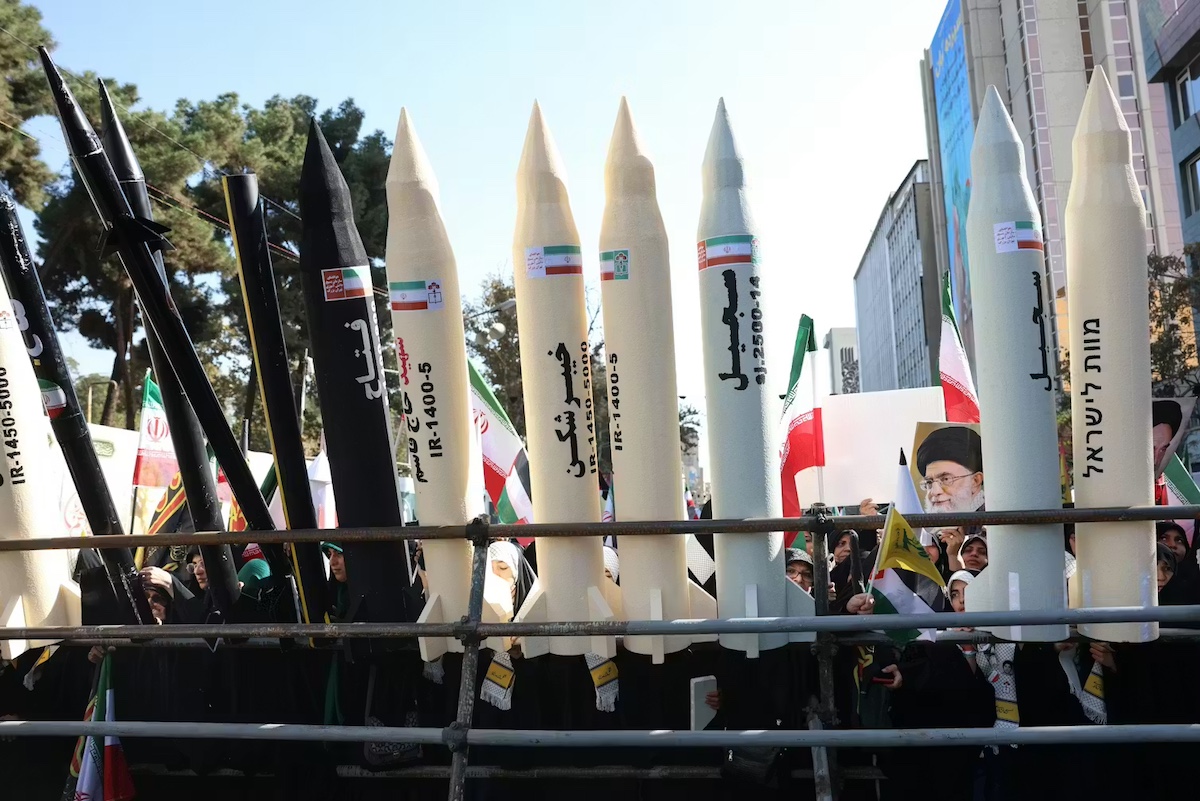
From the US perspective, the negotiation framework includes maximalist demands addressing Iran’s ballistic missile program, regional alliances, and domestic governance. However, Tehran maintains that nuclear considerations represent the only genuinely negotiable aspect, viewing other demands as non-negotiable elements of national sovereignty and regional security.
The critical insight emerging from these talks is that both nations recognize the catastrophic consequences of military escalation. Iran’s institutional resilience and regional integration suggest that conflict would exceed the destructive impacts witnessed in Iraq, Libya, or Syria. Conversely, the United States seeks to avoid another prolonged military engagement in the Middle East.
While substantial obstacles remain, the continuation of dialogue itself represents progress. The negotiations reflect a mutual understanding that diplomatic engagement, however challenging, offers the only viable alternative to mutually destructive confrontation. This development suggests both nations may be transitioning from coercion to negotiation after a decade and a half of unsuccessful hostility.