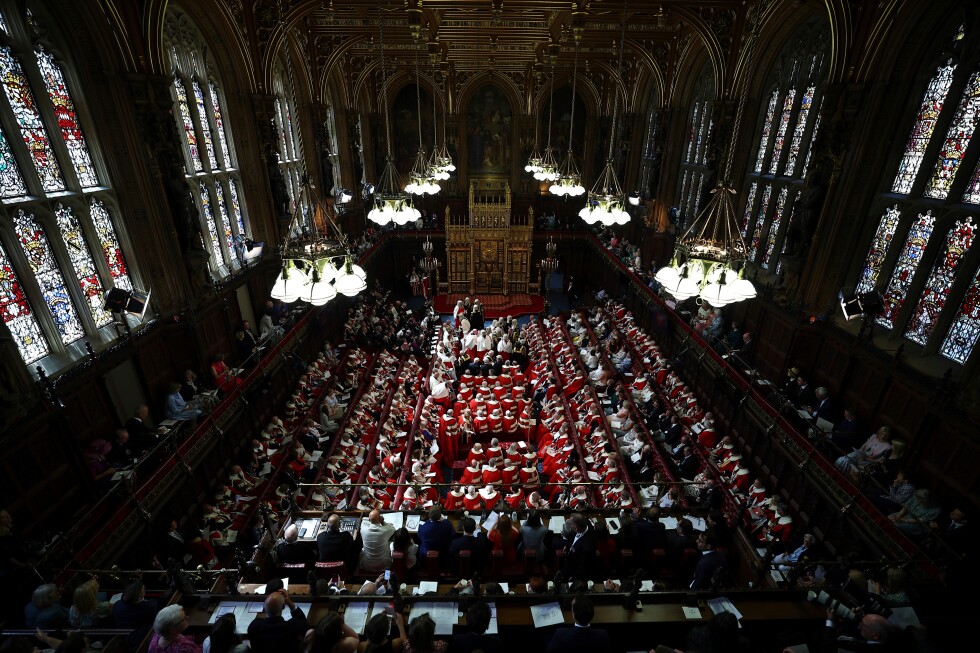
LONDON — Britain’s centuries-old House of Lords confronts mounting pressure for structural reform as scandals and antiquated traditions expose fundamental flaws in the parliamentary institution. The recent resignation of former UK ambassador Peter Mandelson, compelled by his association with convicted sex offender Jeffrey Epstein, has intensified scrutiny of the upper chamber’s accountability mechanisms and membership standards.
The 700-year-old institution, comprising over 850 unelected lifetime members bearing aristocratic titles, faces criticism from across the political spectrum for its semi-feudal structure. While supporters maintain the Lords serve a vital democratic function in reviewing legislation, even proponents acknowledge the necessity for modernization in what Green Party member Jenny Jones characterizes as “a mess” of historical anachronisms.
Historical transformation of the chamber began with the introduction of government-appointed “life peers” in the 1950s, expanding to include female members. The Blair administration’s 1999 reforms removed most hereditary peers, though 92 retained positions temporarily. Prime Minister Keir Starmer’s current Labour government has initiated legislation to eliminate remaining hereditary positions, denounced as “indefensible relics” of Britain’s aristocratic past.
The chamber’s disciplinary capabilities remain historically constrained despite modifications allowing expulsion for code of conduct violations, imprisonment, or non-attendance. Notable cases include thriller-writer Jeffrey Archer’s 2001 perjury conviction and media magnate Conrad Black’s 2007 fraud sentence, neither of whom faced expulsion under previous regulations. While several members have resigned preemptively over misconduct allegations, no peer has been formally expelled for behavioral transgressions.
Controversy extends to appointment processes, with most life peerages distributed directly by the prime minister to political allies, aides, and donors without independent quality assessment. Crossbench members undergo selection through an independent committee, creating inconsistent standards across the chamber.
Constitutional experts describe reform progress as “glacial,” with discussions spanning decades before implementation. Recent proposals include introducing an 80-year retirement age and strengthening participation requirements, while more radical suggestions advocate replacing the Lords with an elected senate-style body.
The Epstein-related scandals have amplified existing concerns about membership quality and selection criteria, creating political complications for Prime Minister Starmer’s administration. As Britain grapples with modernizing its parliamentary democracy, the House of Lords stands at a crossroads between centuries of tradition and contemporary democratic expectations.