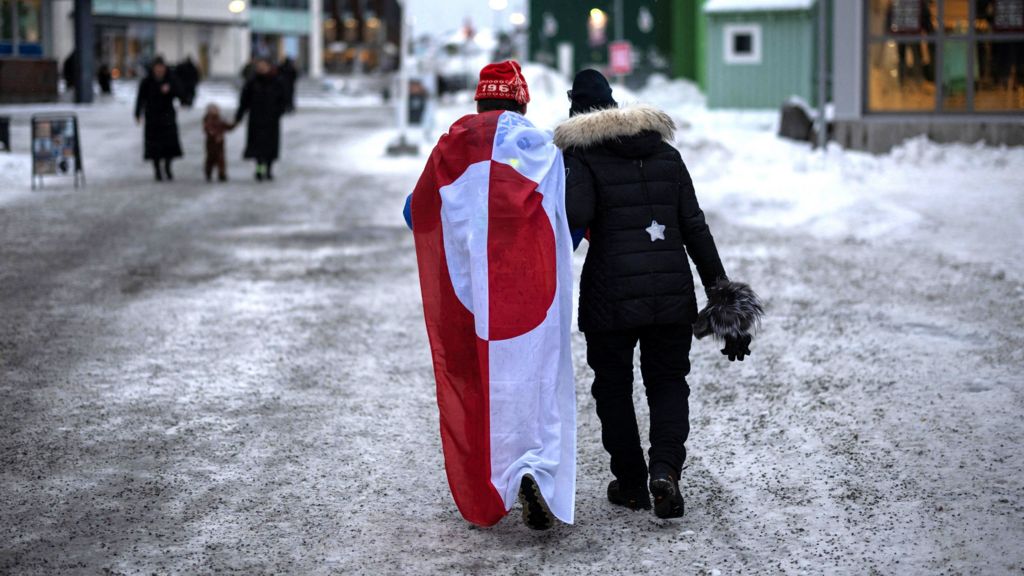
A unprecedented diplomatic crisis has emerged following U.S. President Donald Trump’s coercive threat to Western allies regarding Greenland’s potential annexation. The administration’s ultimatum—either support the proposed territorial acquisition or face intensified trade restrictions—represents an extraordinary escalation in economic diplomacy that experts describe as without historical parallel.
The threat, delivered through presidential social media channels, has sent shockwaves through diplomatic circles. Officials from affected nations have expressed both bewilderment and deep concern about the implications for NATO and Western alliance structures. The move targets longstanding partners with minimal warning, fundamentally challenging the principles of international cooperation that have underpinned transatlantic relations for decades.
Economic analysts note that while allies have previously adapted to Trump’s trade policies, this particular threat enters qualitatively different territory. Canadian Prime Minister Mark Carney’s recent strategic pivot illustrates alternative approaches emerging among affected nations. During his China visit this week, Carney actively promoted “a new world order” in trade relationships, achieving a 14% surge in Canada’s non-U.S. trade that compensates for losses in American commerce.
The timing of Trump’s intervention coincides with his scheduled appearance at the World Economic Forum, where he is expected to meet with leaders of the very nations whose economies he has threatened. Diplomatic experts question the feasibility of such a territorial acquisition, noting that no modern precedent exists for compelling allies to surrender sovereign territory through economic coercion.
International observers have drawn disturbing comparisons, questioning how the global community would respond if China or Russia issued similar threats to their allies. The fundamental rationale behind the threat—public coercion of strategic partners—has raised profound concerns about the stability of international norms and the functioning of American decision-making processes.
As protests supporting Greenland’s position emerge in Denmark, the international community largely hopes this unprecedented situation will resolve before causing permanent damage to alliance structures that have maintained global stability for generations.