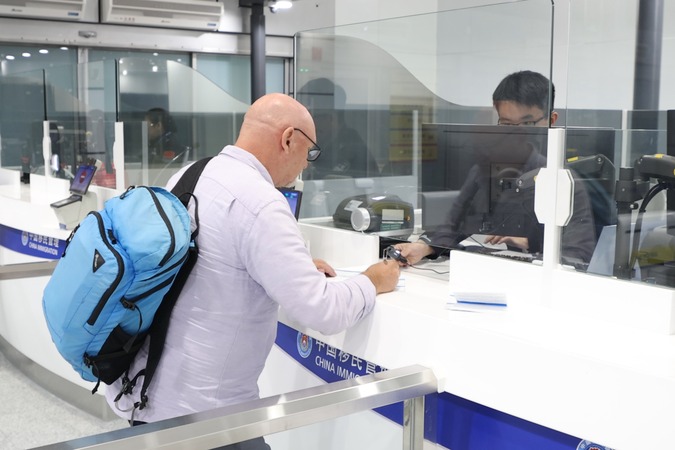
China’s innovative visa facilitation measures have yielded remarkable results, with inbound arrivals soaring to 40.6 million travelers during the first year of its expanded 240-hour visa-free transit program. The policy revision implemented in December 2024 has triggered a substantial 27.2 percent year-on-year increase in international visitors, according to official data released by Ministry of Public Security spokesperson Zhang Ming on Thursday.
The comprehensive transit program, now accessible to citizens from 55 eligible countries, has demonstrated exceptional effectiveness in boosting China’s tourism sector and international connectivity. Zhang Ming highlighted that utilization of the visa-free scheme has skyrocketed by 60.8 percent compared to pre-policy implementation levels, indicating strong global response to China’s border facilitation initiatives.
This strategic immigration policy overhaul represents China’s commitment to fostering global mobility while maintaining robust border security protocols. The extended transit window allows international travelers ample opportunity to explore multiple Chinese destinations during their stopovers, effectively positioning China as a premier transit hub within global travel networks.
The program’s success coincides with China’s broader efforts to enhance international relations and cultural exchanges through streamlined travel procedures. By reducing bureaucratic barriers, China has not only stimulated its tourism economy but also strengthened its position as an increasingly accessible destination for global citizens seeking business opportunities, cultural experiences, and academic exchanges.
Law enforcement authorities have concurrently implemented advanced biometric screening technologies and real-time monitoring systems to ensure national security remains uncompromised throughout this period of enhanced border accessibility. The Ministry of Public Security continues to refine these procedures based on ongoing evaluation of passenger flow patterns and security assessments.