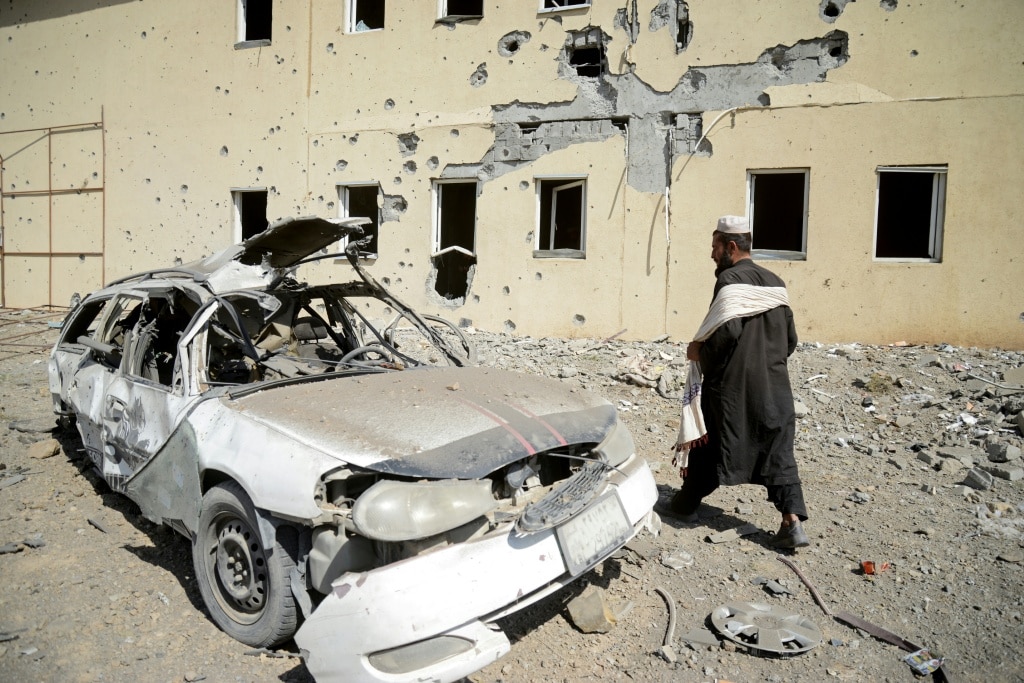
Kabul was thrust into a state of high alert on Sunday as the sound of explosions and sustained anti-aircraft gunfire echoed through the city center. According to reports from AFP journalists on the ground, the Taliban-led government confirmed its forces were engaging Pakistani aircraft in a significant escalation of ongoing border hostilities.
The current crisis represents a dangerous intensification of cross-border tensions that have been building for months. The situation deteriorated dramatically on Thursday when Afghan forces initiated an offensive along the contentious frontier, prompting Pakistan to respond with both ground operations and aerial bombardments.
Taliban government spokesman Zabihullah Mujahid stated Sunday that “anti-aircraft fire is being directed at Pakistani aircraft in Kabul,” confirming the defensive measures being taken in the capital. Pakistan has acknowledged conducting bombing campaigns on Friday targeting key Afghan cities including Kabul and Kandahar—the latter being home to Afghanistan’s supreme leader.
Civilian casualties have become a central point of contention in the conflict. Afghan authorities have accused Pakistan of killing non-combatants in multiple attacks, allegations that Islamabad has not directly addressed. In rural southern Kandahar, construction workers reported being hit by two airstrikes on Sunday, with site managers confirming three fatalities.
“Everything went dark before our eyes,” recounted 20-year-old Enamullah, who provided only one name. “I came from Kabul just to earn a piece of bread.”
According to Afghan government deputy spokesman Hamdullah Fitrat, Pakistani fire has killed 30 civilians across eastern Khost, Kunar, and Paktika provinces since Thursday, in addition to those killed in Kandahar. These casualty figures, like many claims from both sides, remain difficult to verify independently.
The conflict has expanded beyond aerial engagements. An AFP journalist in Jalalabad reported hearing a jet and two explosions on Saturday, with Afghan security forces claiming they downed a Pakistani fighter jet and captured its pilot—an assertion Islamabad dismissed as “totally untrue.”
Diplomatic efforts to secure a ceasefire have thus far proven unsuccessful. Saudi Arabia and Qatar have engaged in mediation attempts, while China has stated it is “working with” both countries and called for calm. The United States has expressed support for “Pakistan’s right to defend itself against Taliban attacks,” according to Under Secretary of State for Political Affairs Allison Hooker.
The fundamental dispute centers on Pakistan’s accusation that Afghanistan has failed to act against militant groups conducting attacks within Pakistani territory—a charge the Taliban government rejects. Many recent assaults have been claimed by Tehreek-e-Taliban Pakistan (TTP), a militant group that has intensified operations since the Taliban returned to power in Kabul in 2021.
Analysts note that this week’s escalation marks a strategic shift, with Pakistan focusing airstrikes on Afghan government facilities rather than solely targeting militant positions as in previous operations.
Pakistan’s information minister reported that 37 locations across Afghanistan had been hit by airstrikes since operations began, while Islamabad earlier stated that 12 of its soldiers had been killed. Meanwhile, Afghan officials claim to have killed more than 80 Pakistani soldiers and captured 27 military posts.
The defense ministry in Kabul has also asserted it conducted air strikes on Pakistani territory over the past two days, which observers believe may have been drone operations.
With Islamabad declaring “open war” on Friday and the Afghan government calling for “dialogue,” the current violence represents the worst outbreak since October fighting that killed more than 70 people on both sides. Land borders between the neighboring nations have remained largely closed since that time, further complicating the humanitarian and diplomatic situation.