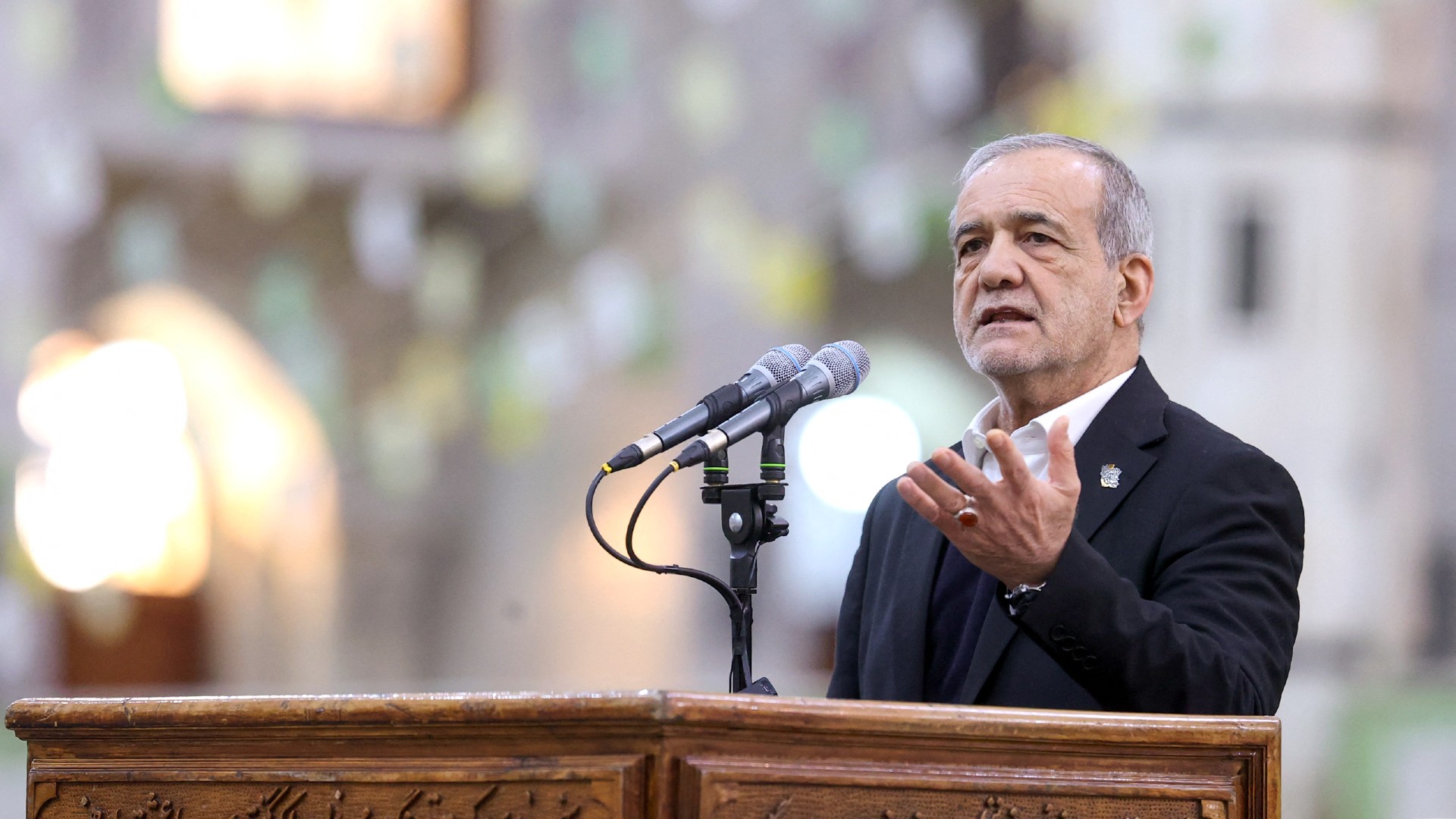
Iran confronts an unprecedented leadership vacuum following the death of Supreme Leader Ali Khamenei, who held power for nearly four decades. His passing triggers constitutional protocols that place temporary authority with a three-member council consisting of President Masoud Pezeshkian, Judiciary Chief Gholam-Hossein Mohseni-Ejei, and Ayatollah Alireza Arafi from the Guardian Council.
The succession process reveals the complex architecture of Iran’s political system, centered on the concept of Marja al-Taqlid (source of emulation) in Shia Islam. The Assembly of Experts, comprising 88 high-ranking Shia scholars, holds constitutional responsibility for selecting the new leader. However, this body operates within a carefully constructed vetting system that ensures only Khamenei-loyal candidates participate in the selection process.
Multiple structural challenges complicate the transition. The Guardian Council, with half its members directly appointed by the late leader, serves as the primary filter for Assembly candidates. Additional vetting comes from the Ministry of Intelligence and the IRGC’s intelligence branch, creating what analysts describe as an impenetrable loyalty screen.
The practical difficulties of convening the Assembly during heightened regional tensions present further complications. Recent targeted strikes against Iranian officials have raised questions about the safety of gathering members physically, potentially delaying the selection process.
Several names have emerged as potential successors, including Ayatollah Arafi (already serving on the interim council), former judiciary head Ayatollah Sadeq Larijani, former president Hassan Rouhani, and Khamenei’s son Mojtaba. Beyond formal qualifications requiring religious expertise, political vision, and administrative capability, the successful candidate must maintain functional relationships with the powerful Revolutionary Guards and navigate competing fundamentalist and conservative factions.
The 1989 selection of Khamenei himself, despite his then-questionable religious credentials, suggests that political considerations may ultimately outweigh strict doctrinal requirements in determining Iran’s next supreme leader.