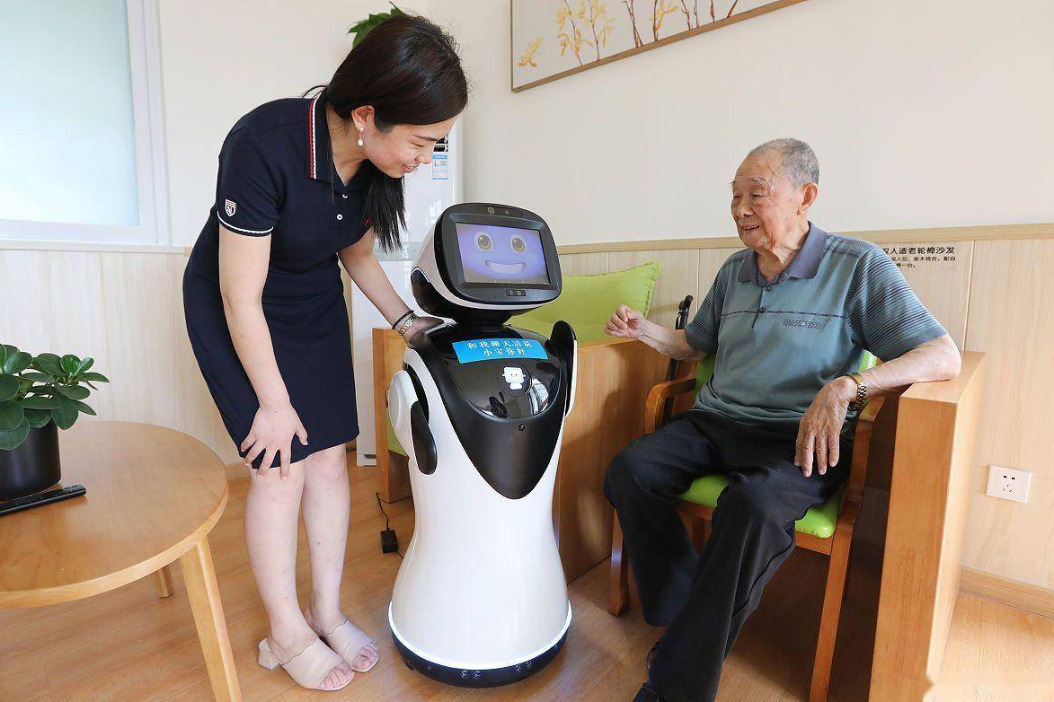
Chinese policymakers are championing robotic technology as a transformative solution to the nation’s escalating elderly care challenges. During the recent Two Sessions political gatherings, national legislators and political advisors emphasized the urgent need for technological innovation to compensate for severe nursing labor shortages.
Professor Zhao Xiaoguang, member of the Chinese People’s Political Consultative Conference National Committee, articulated the vision: “As China progresses into moderate aging, we anticipate robots becoming the cornerstone of elderly care infrastructure. They will address critical gaps in nursing labor while mitigating issues like caregiver impatience and attention deficiency.”
The proposed humanoid robots, featuring advanced joint flexibility and problem-solving capabilities, are designed to perform physically demanding tasks including patient transfers between beds and wheelchairs, feeding assistance requiring sustained patience, and providing emotional companionship through storytelling services.
While China currently leads global humanoid robot development in key technologies and performance metrics, large-scale implementation remains exploratory worldwide. Unlike industrial robots with seven decades of evolution, humanoid robotics have accelerated rapidly through AI large model advancements, yet face significant hurdles in technical maturity, social acceptance, liability frameworks, and privacy security.
Academician Lu Jianhua of the Chinese Academy of Sciences emphasized the complementary role of robotics: “Elderly care robots should function as partners to human caregivers rather than replacements.” Current institutional implementations remain limited to basic functions, requiring substantial upgrades to achieve their potential.
Medical expert Chen Wei advocated for an “AI + human” hybrid model to ensure dignified end-of-life care, urging increased R&D investment toward elderly-specific robotics and smart home technologies. Chen additionally proposed government policies to enhance affordability through price reduction mechanisms and standardized age-friendly technological guidelines.
The urgency stems from demographic data revealing China’s 323 million citizens aged 60+ (23% of population) in 2025, projected to exceed 400 million (30+%) by 2035. In response, both the Government Work Report and 15th Five-Year Plan outline proactive aging strategies emphasizing expanded inclusive elderly services and industry integration, supported by intelligent service systems and assistive equipment across nursing institutions, households, communities, and medical facilities.