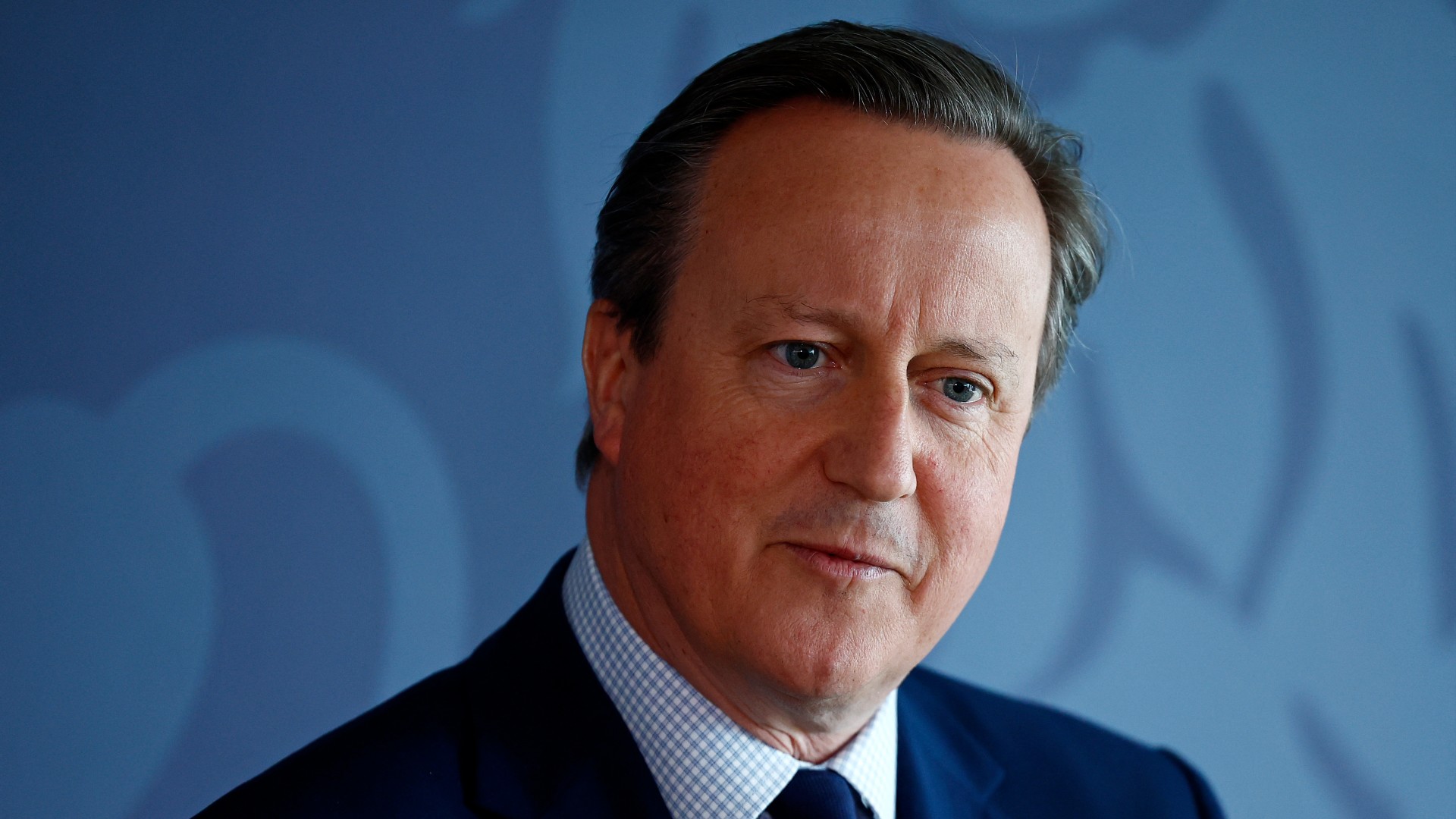
The British government has officially acknowledged a contentious April 2024 telephone conversation between then-Foreign Secretary David Cameron and International Criminal Court Chief Prosecutor Karim Khan, marking the first formal confirmation of the exchange that allegedly involved threats over the ICC’s Gaza investigation.
The disclosure emerged through a Freedom of Information request filed by Unredacted, a national security research unit at the University of Westminster. In a January 2026 response letter, the Foreign Office’s Information Rights Unit stated: “The then Foreign Secretary, David Cameron, was the only person present on the call on 23 April 2024 with Karim Khan.”
This confirmation follows Prosecutor Khan’s recent statement to the ICC alleging that a “senior British official” threatened to withdraw UK funding from the court during the April 23rd conversation. The call occurred during a critical period—one month before Khan sought arrest warrants against Israeli Prime Minister Benjamin Netanyahu and Defense Minister Yoav Gallant, and coincided with intensifying international pressure regarding the Gaza war crimes investigation.
According to Middle East Eye’s previous reporting, which cited sources including former staff in Khan’s office who had seen meeting minutes, Cameron allegedly characterized the potential warrants as “like dropping a hydrogen bomb.” The former prime minister reportedly argued that while prosecuting Russia for Ukrainian aggression was justified, targeting Israel during its “self-defense” against October 7th attacks was fundamentally different. Cameron purportedly warned that the warrants would have “profound implications” in Britain and within his Conservative Party, threatening defunding and withdrawal from the Rome Statute if proceedings moved forward.
Professor Sam Raphael, International Relations and Human Rights expert at the University of Westminster, stated: “This raises serious questions about the role of a senior minister in threatening the impartiality of the ICC, especially given the myriad forms of military, intelligence and diplomatic support provided by the UK to Israel at the time.”
Legal experts consulted by MEE suggest Cameron’s alleged conduct may constitute an attack on judicial independence and potentially violate both the Rome Statute and British law regarding obstruction of justice. Two British MPs have subsequently called for Prime Minister Keir Starmer to initiate an independent investigation into the allegations, noting that any attempted coercion of the ICC could breach Article 70 of the Rome Statute prohibiting interference with justice administration.
The ICC continues to face significant external pressure, particularly from Israel and the United States, since Khan’s decision to pursue warrants. The Trump administration has imposed financial and visa sanctions against Khan, his deputies, six judges, and Palestinian entities connected to the investigation, while threatening further measures against the court itself.
ICC judges are currently reviewing an Israeli challenge to the court’s jurisdiction over Palestine and a separate complaint questioning the prosecutor’s impartiality. Khan has been on voluntary leave since May 2025 pending a UN investigation into unrelated sexual misconduct allegations, which he vigorously denies.