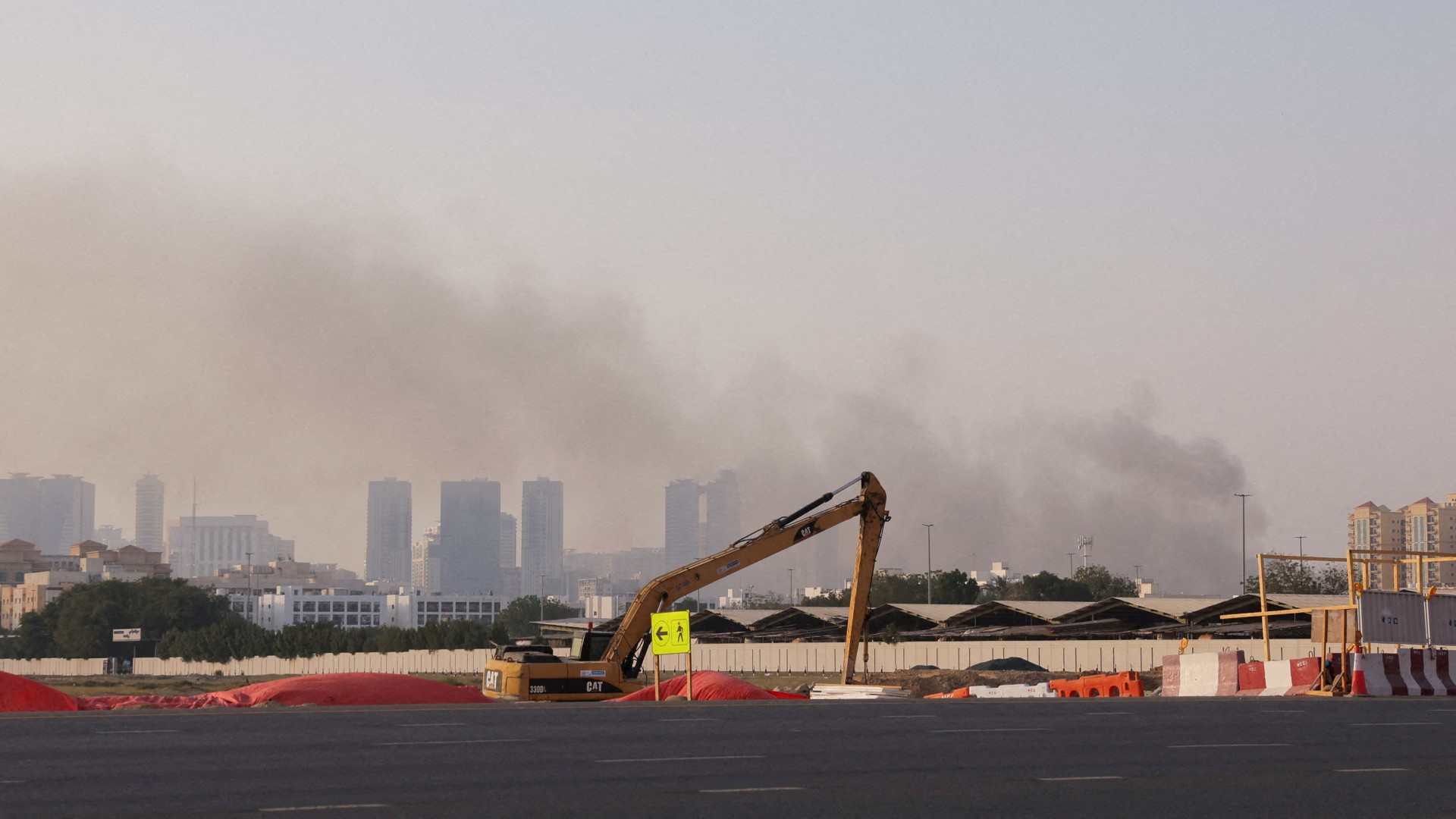
Iranian authorities have formally accused Israel of orchestrating a series of drone strikes targeting energy installations and civilian infrastructure across the Arabian Gulf, characterizing the assaults as a deliberate strategy to provoke regional hostilities and coerce Arab nations into joining the military offensive against Tehran.
According to an anonymous high-ranking official within Iran’s foreign ministry who spoke with Middle East Eye, Israeli operatives were responsible for multiple attacks on Saudi Arabian territory and at least one incident in Oman. The source stated categorically that Iranian forces were not involved in these specific operations, though they declined to specify which incidents were attributed to Israel.
The targeted sites include strategically significant locations such as Saudi Arabia’s Prince Sultan Air Base, the critical Ras Tanura oil refinery complex, the US embassy compound in Riyadh, and Oman’s Duqm Port—a facility regularly accessed by the US Navy since 2019. These attacks have substantially impaired regional oil and gas export capabilities and undermined Dubai’s reputation as a secure hub for international expatriates.
Multiple Iranian intelligence sources indicated that Mossad, Israel’s foreign intelligence service, executed several drone attacks using pre-established operational networks within Iran. Iranian security forces are reportedly actively working to identify and neutralize Mossad weapons storage facilities and command centers, some of which may be located in neighboring countries.
This development emerges amid increasing pressure from the United States and United Arab Emirates for Gulf Cooperation Council members to formally enter the conflict against Iran. Tehran maintains that its military responses have been exclusively directed at US and Israeli assets, with any strikes on civilian infrastructure resulting either from Israeli false flag operations or rare technical errors.
Academic and political figures across the Gulf have expressed skepticism about the origins of the attacks. Seyed Emamian of Tehran Polytechnic University noted that Israel stands to benefit from undermining Iran’s recently improved diplomatic relations with Gulf Arab states. Similarly, Saudi political veteran Abdulaziz Altuwaijri and Qatar’s former Prime Minister Hamad bin Jassim al-Thani have warned against being drawn into direct confrontation with Iran, suggesting external forces seek to exploit regional divisions for strategic gain.
Analyst Sina Toosi of the National Iranian American Council observed that while Israel seeks to regionalize the conflict by drawing in Gulf states, Iran has compelling reasons to avoid broader confrontation that would jeopardize its diplomatic achievements with neighboring nations.