A dramatic escalation along the Lebanon-Israel border has triggered a profound political crisis within Lebanon, pitting the state directly against the powerful militant group Hezbollah. The chain of events began on Monday when Hezbollah launched a significant rocket and drone assault on northern Israel, which it stated was retaliation for the killing of Iran’s Supreme Leader Ali Khamenei in a joint US-Israeli operation and was conducted “in defence of Lebanon.”
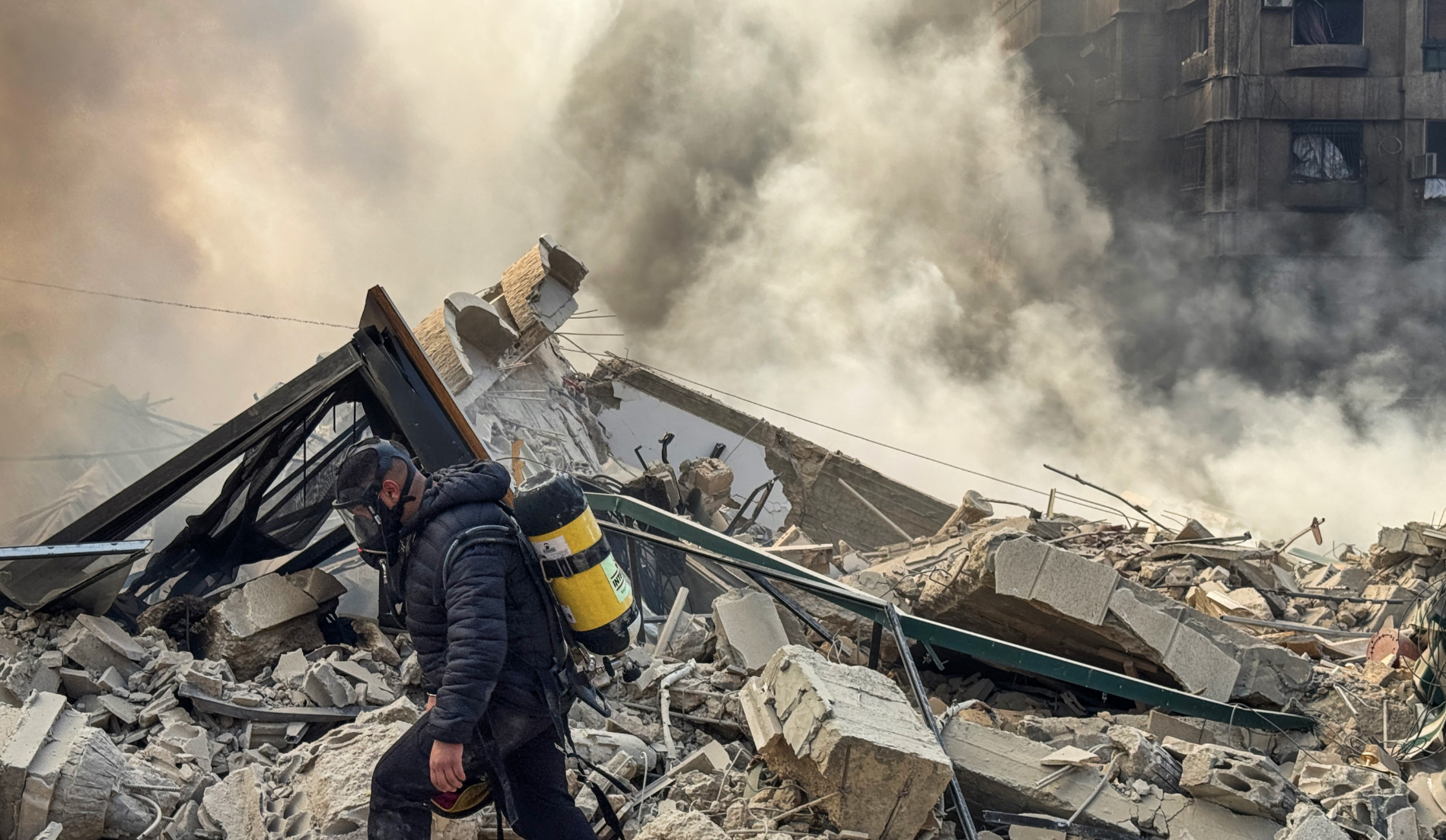
This offensive, the first claimed by Hezbollah since the November 2024 ceasefire, ignited a sweeping Israeli retaliation. Israeli air strikes pounded Beirut’s southern suburbs, southern Lebanon, and eastern regions, resulting in at least 40 fatalities and 246 injuries. The attacks triggered mass displacement, with roads clogged by families fleeing the targeted areas—a grim echo of the mass exodus witnessed during the 2024 war.
The most consequential shockwave, however, was political. In an emergency session, the Lebanese cabinet, led by Prime Minister Nawaf Salam, issued a historic decree that shattered years of precedent. It announced a total ban on all Hezbollah military and security activities and demanded the group surrender its weapons, asserting that the sovereign state alone holds the authority over decisions of war and peace. The government further mandated the national army and security agencies to prevent any rocket or drone launches from Lebanese territory and to arrest violators.
The decision gained immense symbolic weight from the backing of Nabih Berri, the influential Parliament Speaker and leader of the Amal movement, Hezbollah’s longstanding Shia political ally. This public support created an appearance of a dramatic rupture within Lebanon’s powerful “Shia duo.” However, sources familiar with both camps reveal a more complex, strategic calculation behind the scenes.
According to insiders, Berri and Hezbollah had been in contact prior to the strike, sharing a conviction that a major Israeli assault was increasingly likely. Berri’s position was that Lebanon should not provide Israel with a public pretext for war. Hezbollah’s internal assessment, driven by the killing of Khamenei, was that an Israeli escalation was inevitable regardless, making a retaliatory strike a strategic necessity to avoid appearing passive and to challenge post-ceasefire conditions.
The public display of division, sources indicate, is a politically calibrated posture. By allowing Berri to appear distanced from Hezbollah, the Shia political camp preserved a crucial fallback option. In a worst-case scenario where Hezbollah suffers a devastating military defeat, Berri remains positioned as an institutional figure capable of negotiating terms and safeguarding Shia political interests, thereby preventing a total collapse of the community’s leadership.
For the Lebanese state, the cabinet’s move represents the most assertive attempt to claim a monopoly on force since the end of the civil war, directly challenging the long-standing paradigm where Hezbollah wielded military power independently while the state managed the consequences. This escalation ushers in a volatile new chapter that threatens not just another border conflict, but a fundamental internal confrontation over the future balance of power within Lebanon itself.