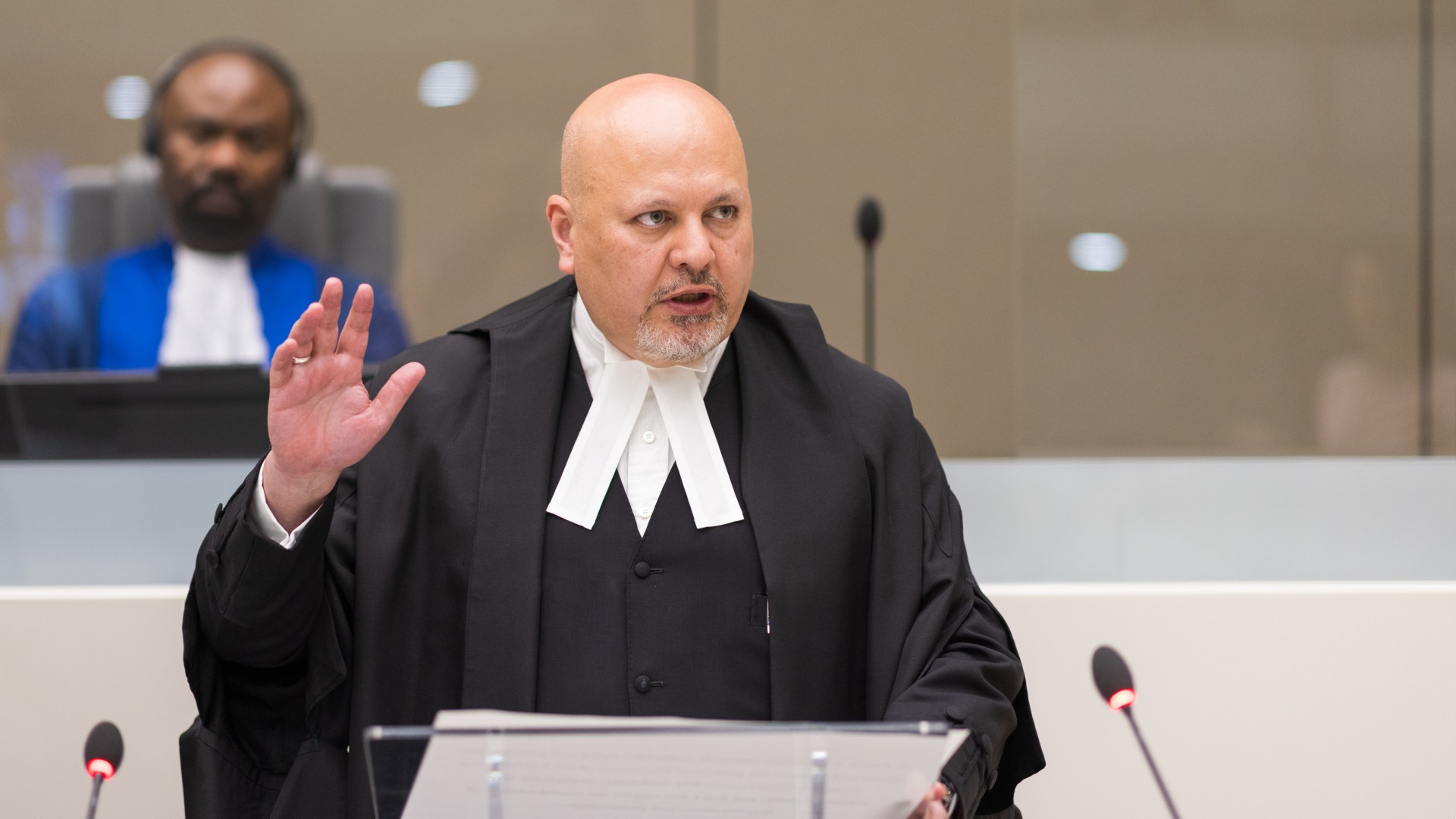
A significant political confrontation is unfolding within the International Criminal Court’s governing body as a minority faction of Western states attempts to override a judicial panel’s conclusive findings that cleared Chief Prosecutor Karim Khan of misconduct allegations. Middle East Eye has obtained exclusive documentation revealing that despite a unanimous ruling from three senior judges appointed by the Assembly of States Parties (ASP) bureau, certain members are advocating to disregard the judicial assessment and reinterpret the evidence according to their own political considerations.
The judicial panel, comprising two male and one female judge, delivered a definitive verdict after exhaustive examination of a United Nations Office of Internal Oversight Services (OIOS) investigation and over 5,000 pages of supporting evidence. Their confidential report determined that the OIOS investigation failed to establish any misconduct or breach of duty by Prosecutor Khan, specifically noting that the UN investigators’ work contained critical methodological flaws including unresolved narrative inconsistencies, unverified witness credibility assessments, and excessive reliance on hearsay evidence.
According to diplomatic sources familiar with internal proceedings, a minority contingent within the 21-member bureau—primarily representing Western nations—is seeking to block the judicial report from reaching the full ASP membership while attempting to recharacterize the findings based on their subjective interpretation of the original OIOS documentation. This movement has prompted serious concerns among international legal experts about the potential undermining of judicial independence and the rule of law within the ICC’s institutional framework.
Sergey Vasiliev, a prominent ICC expert, emphasized that disregarding the unanimous judicial conclusion risks creating the perception that the report’s value is being diminished solely because certain officials disagree with its outcomes. Similarly, international law specialist Ezequiel Jimenez noted that it would be unprecedented for the bureau to disregard findings from a panel it specifically appointed for this purpose, highlighting the political nature of bureau members who primarily serve as career diplomats representing national interests.
The controversy originated in November 2024 when the ASP presidency commissioned the OIOS investigation following media reports of sexual assault allegations against Khan, which he has consistently denied. The judicial panel was subsequently established to provide independent legal assessment based on the OIOS findings, though their work was hampered by multiple deadline extensions due to the voluminous evidence, culminating in a refused extension request on March 4th that forced the panel to deliver its report without additional time for more comprehensive analysis.