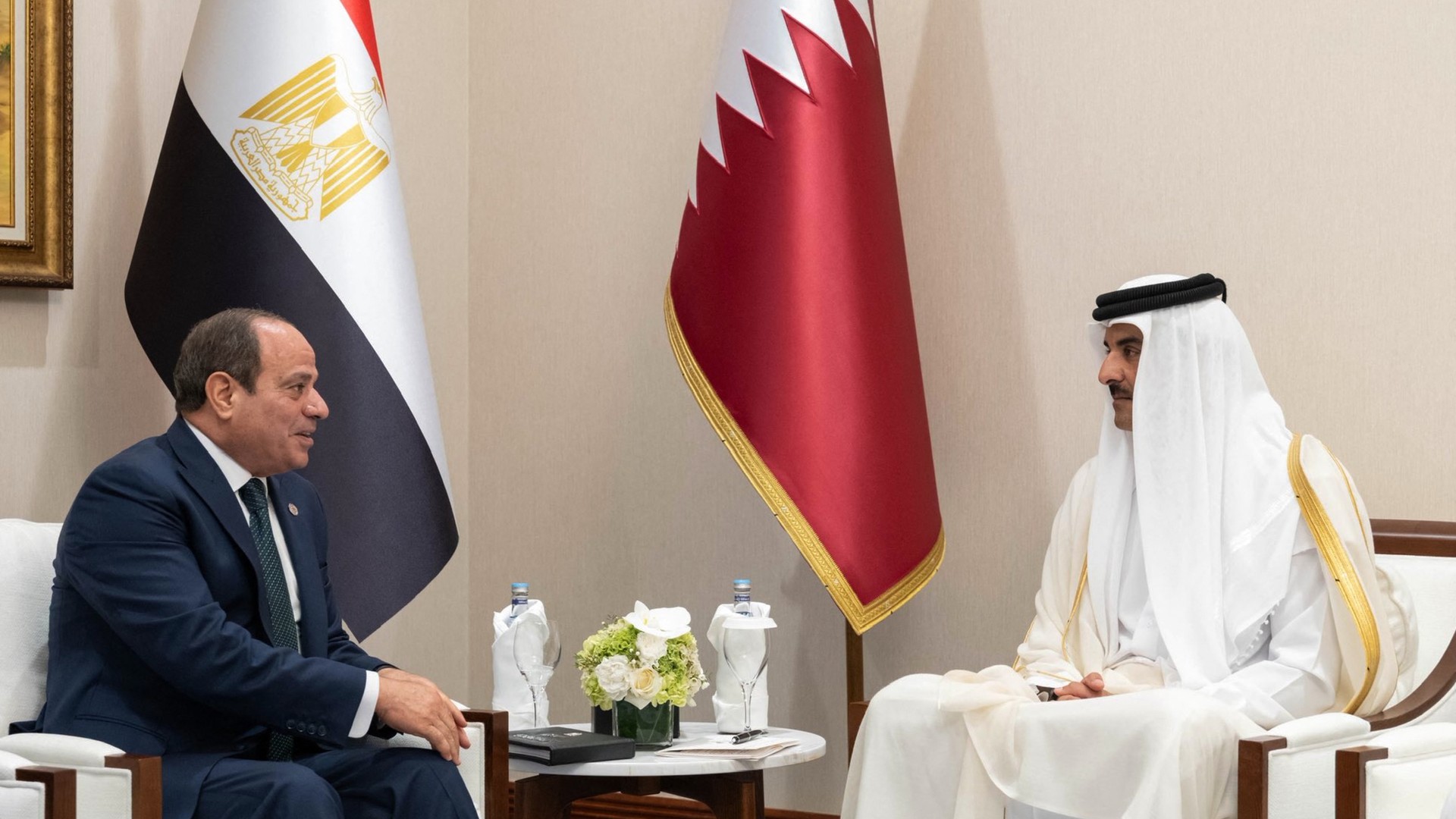
Egypt’s ambitious plan to establish a NATO-style Arab defense force faced significant opposition at the recent Doha summit, with Qatar and the United Arab Emirates (UAE) leading the resistance. The proposal, aimed at creating a rapid-response alliance under the 1950 Joint Defence and Economic Cooperation Treaty, sought to shield member states from external threats, particularly Israel. However, deep-seated disagreements over leadership and regional security priorities derailed the initiative, according to senior Egyptian diplomats.
Egyptian Foreign Minister Badr Abdelatty presented the plan as a defensive measure to protect the region without relying on foreign powers. However, the proposal was met with resistance, primarily due to disputes over leadership. Saudi Arabia sought command of the force, while Egypt argued that its extensive military experience made it the most suitable leader. The impasse highlighted the broader divisions within the Arab world over how to address regional security challenges.
The summit, held on September 15 and attended by leaders from the Arab League and the Organisation of Islamic Cooperation (OIC), failed to produce a unified stance on Israel’s actions in Gaza. Despite Egypt’s push for concrete measures, including a demand to end Israel’s military operations and reject the forced displacement of Palestinians into North Sinai, the gathering concluded with only statements of support for Gaza and condemnation of Israel. The outcome underscored the influence of the United States, which reportedly pressured Arab states to avoid taking decisive action against Israel.
Egyptian President Abdel Fattah el-Sisi left the summit deeply frustrated, as Gulf states rejected his proposal and opted to confine discussions to their own defense council. The rejection marked a significant setback for Egypt, which had hoped to position itself as a leader of Arab and Islamic defense. Sisi’s characterization of Israel as ‘an enemy’ during the summit reflected Cairo’s growing concerns over Israeli threats, including potential operations targeting Hamas leaders on Egyptian soil.
The failure to revive the 1950 treaty is emblematic of the long-standing challenges in achieving Arab military cohesion. Political rivalries, conflicting national priorities, and reliance on bilateral security agreements have repeatedly undermined collective defense efforts. Egypt’s latest attempt to unify Arab states against external threats has once again exposed the fractures within the region, leaving Cairo isolated in its defensive ambitions.