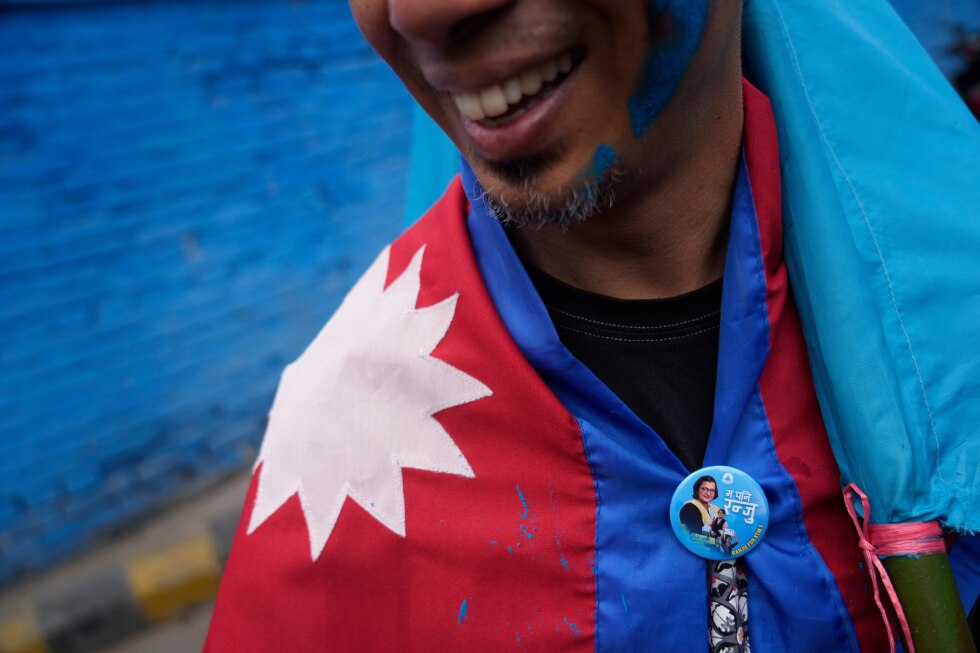
KATHMANDU, Nepal — Nepal’s political landscape is undergoing a dramatic transformation as partial election results reveal a stunning lead for the Rastriya Swatantra Party (National Independent Party), headed by former rapper Balendra Shah. The preliminary counts released Saturday by Nepal’s Election Commission show the insurgent party has secured 27 of the 165 directly elected parliamentary seats and maintains commanding leads in 90 additional constituencies.
The election represents Nepal’s first parliamentary contest since last year’s youth-led uprising that unseated former Prime Minister Khadga Prasad Oli. Shah, the party’s prime ministerial candidate who previously won Kathmandu’s mayoral race in 2022, has emerged as the symbolic leader of the political revolution. The 35-year-old politician has built his campaign around addressing healthcare and education disparities for impoverished Nepalis, channeling widespread public discontent with established political institutions.
In a particularly symbolic contest, Shah is directly challenging Oli in a southeastern district, where he currently holds a substantial lead over the former prime minister as vote counting continues.
The election has evolved into a three-way competition, largely driven by voter frustration over systemic corruption and demands for greater governmental accountability. Despite being founded only in 2022, the Rastriya Swatantra Party has mounted a formidable challenge to Nepal’s two traditionally dominant parties: the Nepali Congress and the Communist Party of Nepal (Unified Marxist–Leninist), which have collectively secured only six declared seats thus far.
The political upheaval traces back to the 2025 protests, initially triggered by a social media ban before escalating into a widespread revolt against government corruption and poor governance. The demonstrations turned violent when protesters attacked government buildings and police responded with lethal force, resulting in dozens of fatalities and hundreds injured.
Voters are directly electing 165 members to the House of Representatives, with the remaining 110 seats in the 275-member parliament to be allocated through proportional representation. Election officials are employing helicopters to collect ballot boxes from remote mountain villages in northern regions, with final results anticipated within the coming days.