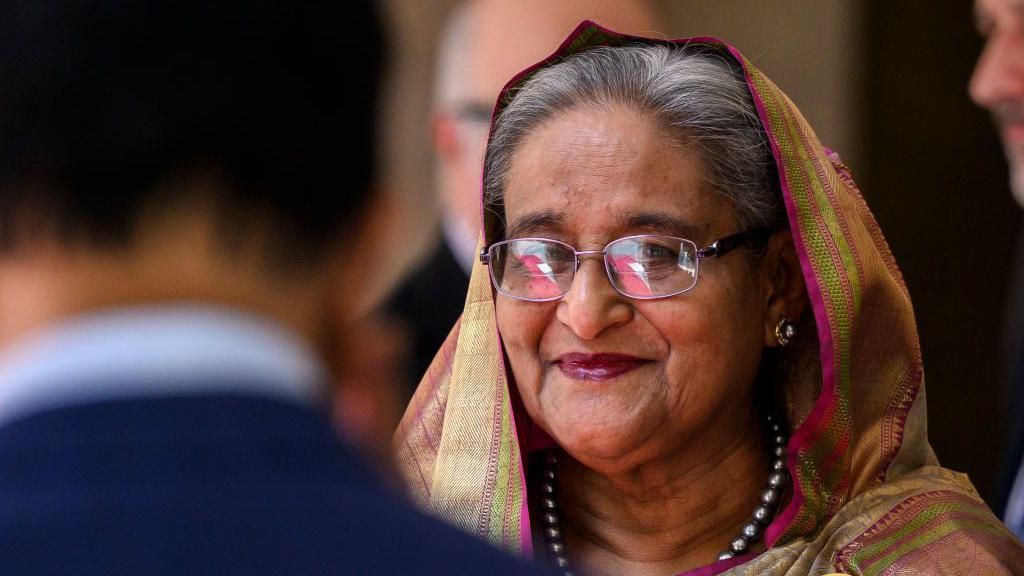
Bangladesh’s former Prime Minister Sheikh Hasina is confronting the possibility of a death penalty as a special tribunal prepares to deliver its verdict on her alleged involvement in crimes against humanity. The charges stem from a violent crackdown on student-led protests in 2024, which resulted in her ousting from power. Hasina, who fled to India in August 2024, has vehemently denied the allegations, labeling her trial as a “farce” orchestrated by a “kangaroo court” controlled by her political adversaries. Prosecutors have accused her of being the primary architect behind the deaths of hundreds during the mass protests against her autocratic rule. In an interview with the BBC, Hasina categorically denied issuing orders to fire on unarmed civilians, though leaked audio verified by the BBC suggests she authorized the use of “lethal weapons” in July 2024. The tribunal, set to announce its verdict on Monday, has heightened security measures in Dhaka. Hasina’s legal team has raised concerns about fair trial violations, filing an urgent appeal with the UN. The case has drawn international attention, with UN investigators estimating up to 1,400 deaths during the protests. Separately, Hasina faces additional charges of corruption and human rights abuses, which she also denies. The outcome of this trial marks a pivotal moment for Bangladesh and the families of those who lost their lives during the protests.