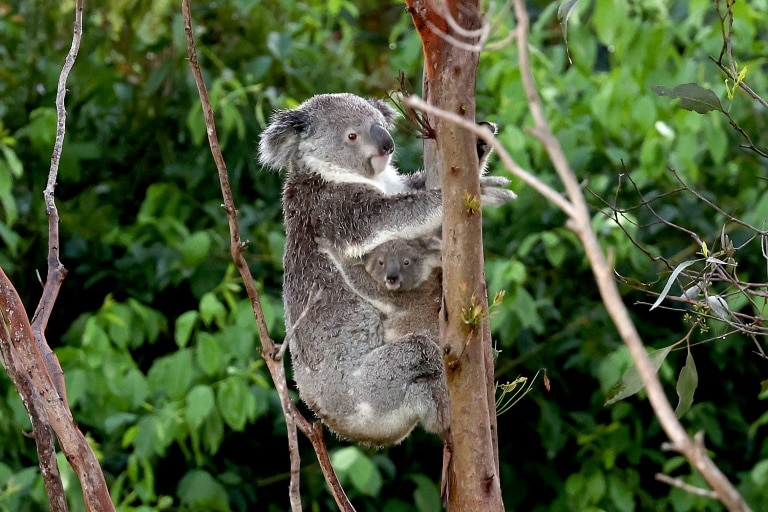
As climate change continues to drive more frequent and severe heatwaves across the globe, new research has uncovered a sobering threat to one of Australia’s most iconic native species: even moderately warm sustained temperatures can drastically increase a koala’s risk of death or urgent medical intervention.
Published in the journal *Biology Letters* and led by researcher Valentina Mella from the University of Sydney, the study draws on more than two decades of koala rescue and mortality data from New South Wales (NSW), one of the species’ key remaining habitats. Analyzing nearly 12,000 records of koala admissions to care facilities and recorded deaths collected between 2000 and 2022 from local rescue groups and koala hospitals, the team built the first statistically verified link between long-term ambient temperature trends and koala mortality, adapting a methodology commonly used to study heat risk in human populations.
The research revealed a clear upward trend in danger as sustained average peak temperatures climb. When seven-day average maximum temperatures hit 27 degrees Celsius – a threshold most would consider mild rather than extreme – the odds of koalas being rescued or dying already began to climb. Once average peaks reached 30C or higher, those risks jumped to between 1.5 and 3.5 times the rate observed around 25C, according to Mella.
“Our findings suggest that even what might seem like moderate heat can become physiologically stressful when it is sustained over time,” Mella told AFP in an interview.
Koalas have evolved a suite of adaptations to survive Australia’s naturally warm climate. On short hot days, they cool off by hugging tree trunks to pull excess heat away from their bodies, retreat to dense foliage and lower tree branches away from direct sunlight, and conserve water by reabsorbing moisture from their colons and producing concentrated urine. They also use heterothermy, allowing their body temperatures to shift with surrounding conditions to reduce energy and water use. For short periods, the species can even survive temperatures above 40C.
But the study confirms that these adaptations are no match for prolonged heat, even at much lower, less alarming temperature thresholds. Mella explained that prolonged exposure to sustained moderate heat significantly undermines koalas’ health and ability to survive.
The species’ inherent biological traits and changing landscape make them uniquely vulnerable to rising temperatures compared to many other wild animals. Unlike creatures that can adapt to shifting conditions by changing their diets or moving to cooler habitats, koalas are largely sedentary, tied to specific forest ecosystems, and get most of their water from eucalyptus leaves. When high temperatures persist for days on end, koalas rapidly develop dangerous dehydration, and widespread habitat fragmentation often blocks their ability to travel to cooler, more shaded areas.
Koalas already fighting disease face even greater risk: the study found that individuals living with chlamydiosis, one of the most widespread and damaging diseases affecting wild koala populations, see their existing conditions worsened by heat stress, putting them at even higher risk of death.
These threats are growing worse by the year. As climate change pushes once-rare high temperatures to become a regular summertime occurrence, Mella noted that koalas will increasingly face prolonged periods of heat stress on an annual basis. The threat is particularly acute for already endangered inland northwest koala populations, which are exposed to more extreme heat and face the greatest risk of population collapse.
The study does offer clear pathways for intervention to reduce risk. Mella noted that protecting large, mature shade-producing trees and providing accessible water sources for koalas during heatwaves can cut rates of dehydration and death. Without targeted, proactive conservation action, however, the growing frequency of extreme heat events could push already vulnerable koala populations closer to permanent extinction.
The findings add to a growing body of evidence confirming that climate change does not only threaten human communities – it puts a wide range of wildlife species at growing risk of mortality and extinction, even through threats that may seem moderate at first glance.