FRANKFURT, Germany — Against a backdrop of swirling geopolitical tensions and wildly fluctuating energy markets, the European Central Bank (ECB) announced Thursday it will keep its benchmark interest rate unchanged at 2.25%, hitting pause on monetary tightening just one month after its last quarter-point adjustment.
The June 11 rate increase had been explicitly crafted to counter inflationary pressure driven by spiking global oil prices, which surged after conflict between the U.S. and Iran disrupted critical oil shipping lanes through the Strait of Hormuz. Since that decision, however, energy markets have seesawed dramatically: prices fell sharply following a brief ceasefire announcement, only to rebound once the truce collapsed and hostilities resumed, leaving policymakers scrambling to assess the long-term trajectory of inflation.
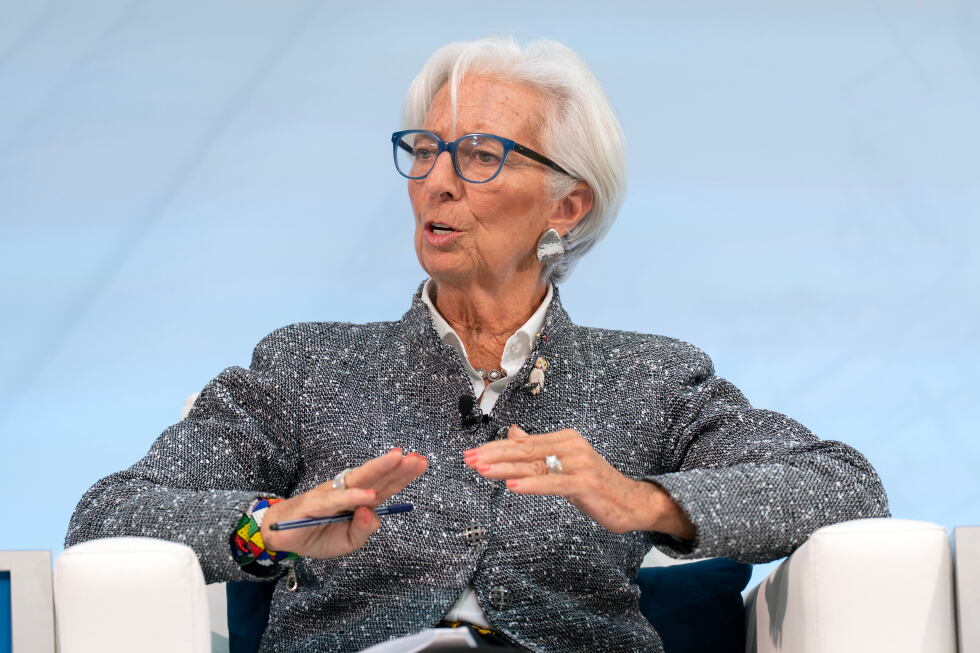
Speaking at a post-meeting press conference, ECB President Christine Lagarde emphasized that persistent uncertainty surrounding the energy price shock has left the bank unable to map out a fixed path for future rate moves. “Uncertainty remains high and the full inflationary impact of the energy shock has yet to play out,” Lagarde told reporters. “We are therefore closely monitoring the intensity and duration of the shock, as well as its indirect and second round effects…the longer energy prices stay high, the more likely they are to drive up broader inflation.”
Lagarde confirmed the ECB will take a data-dependent, meeting-by-meeting approach to future policy decisions, refusing to pre-commit to any specific trajectory for borrowing costs. Most economists now see the ECB’s September 10 policy meeting as the most likely timeline for a potential additional rate increase if inflationary pressures do not abate.
In addition to monetary policy questions, Lagarde addressed speculation about her tenure, pushing back against requests for a rigid “yes or no” commitment to serving out her full eight-year term set to end in October 2027. “I hate to be boxed in in any particular circumstances,” she said, before adding: “you are not going to see the back of me before 2027. When there are clouds on the horizon, the captain stays on the ship, and this captain is staying on this ship as long as there are clouds on the horizon.”
The ECB’s rate hold comes as fresh geopolitical turmoil sent global oil prices surging to key new thresholds Thursday. International benchmark Brent crude climbed above $100 per barrel for the first time in two months, after Iran-aligned Houthi rebels in Yemen claimed responsibility for attacks on two Saudi oil tankers in the Red Sea. The attack has stoked fears that ongoing Middle East conflict could widen and disrupt alternative shipping routes that Saudi Arabia has increasingly relied on to avoid closures in the Strait of Hormuz. Brent crude jumped 7% in the aftermath of the attack, deepening market volatility.
Interest rate hikes work to curb inflation by raising borrowing costs for consumer and business purchases, cooling overall demand and easing upward pressure on prices. Eurozone annual inflation dipped to 2.8% in June, down from 3.2% in May, but policymakers remain wary that sustained high energy prices could spill over into broader price growth across the economy.