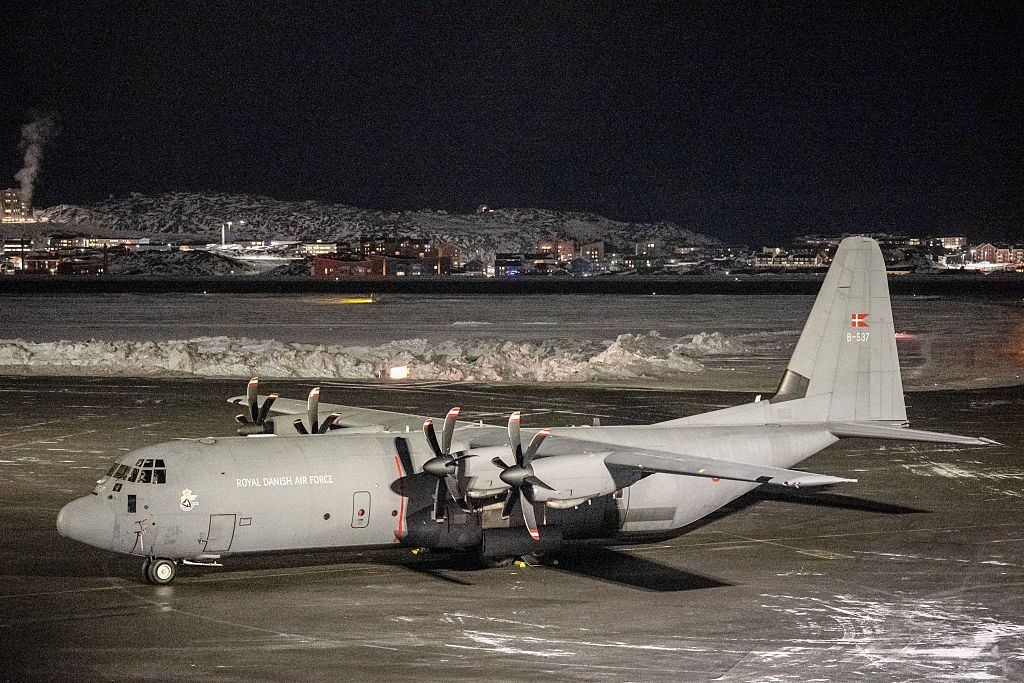
In a strategic display of Arctic solidarity, European NATO members have initiated military deployments to Greenland’s capital Nuuk, responding to renewed pressure from the Trump administration regarding US acquisition of the autonomous Danish territory. A French military contingent of 15 personnel arrived first, with Germany, Sweden, Norway, and the United Kingdom committing additional forces under the Danish-led Operation Arctic Endurance exercises.
The deployment comes following high-level diplomatic talks in Washington between US Vice-President JD Vance and Danish and Greenlandic foreign ministers. While Danish Foreign Minister Lars Lokke Rasmussen characterized the discussions as constructive, he acknowledged fundamental disagreements regarding Trump’s persistent campaign to purchase Greenland. The US President has justified his position citing national security concerns, suggesting Russia or China could potentially occupy the territory despite Denmark’s objections.
French President Emmanuel Macron announced that initial troop deployments would be reinforced with comprehensive land, air, and naval assets in coming days. Senior French diplomat Olivier Poivre d’Arvor characterized the mission as delivering a potent political message: This initial exercise demonstrates NATO’s presence to the United States.
Despite the symbolic significance of the deployment, the actual military presence remains limited—Germany’s contribution of 13 soldiers aboard an A400M transport plane will remain only until Saturday. Danish defense officials confirmed plans for rotational military presence enhancements around Greenland to strengthen NATO’s Arctic footprint for European and transatlantic security.
The situation has drawn international concern, with Polish Prime Minister Donald Tusk warning that any US military intervention would constitute a political disaster that could fundamentally undermine NATO’s security framework. Meanwhile, Russia’s embassy in Belgium expressed serious concern about NATO’s Arctic military buildup, calling it a false pretext based on exaggerated threats from Moscow and Beijing.
Greenlandic Prime Minister Jens-Frederik Nielsen emphasized his territory’s firm position amidst the geopolitical crisis: Greenland does not wish to be owned, governed, or incorporated by the United States, maintaining preference for its current relationship with Denmark. The US maintains existing military facilities in Greenland staffed by approximately 150 personnel, with provisions for significant expansion under current agreements with Copenhagen.