As the escalating military confrontation between the U.S., Israel and Iran continues to roil the Middle East, European powers find themselves caught in a precarious diplomatic balancing act this Thursday. While steering clear of direct participation in the conflict, key European leaders and EU institutions are actively pushing diplomatic efforts to solidify a fragile ceasefire, de-escalate deadly fighting in Lebanon, and restore unimpeded access through the strategic Strait of Hormuz.
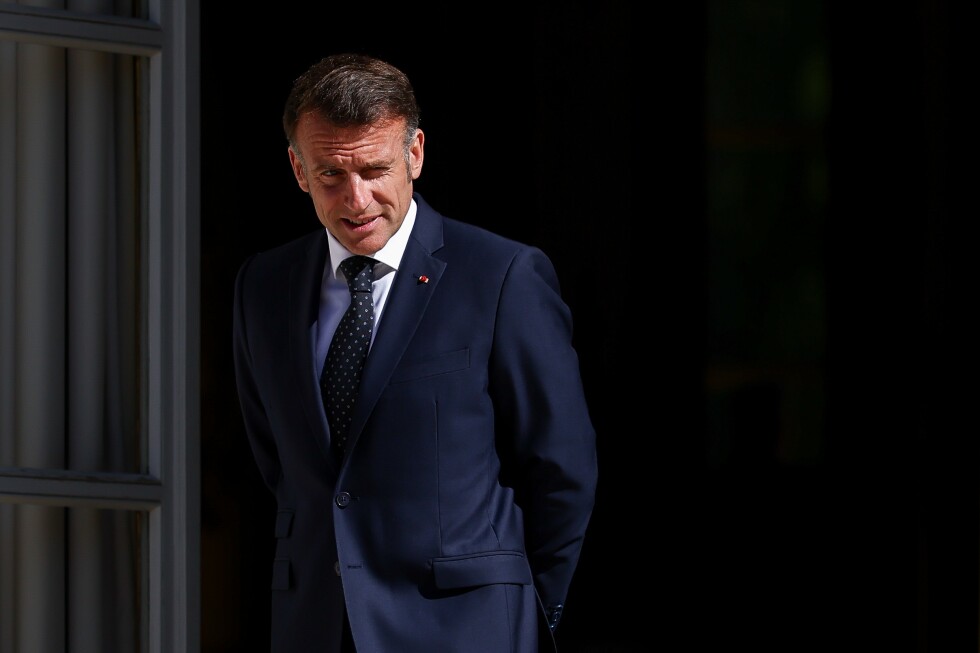
This conflict has placed Europe in an deeply uncomfortable position. The bloc remains committed to backing the United States, its core NATO ally, but it has faced repeated public criticism from U.S. President Donald Trump over its refusal to join combat operations and its limitations on access to European military bases. European leaders have pushed back on this criticism in increasingly blunt terms: French President Emmanuel Macron noted last week that Washington has no grounds to complain about a lack of European backing for a military operation that the U.S. chose to launch unilaterally, without any prior consultation with allies.
The current ceasefire framework emerged at the eleventh hour on Tuesday, brokered by Pakistan, after Trump issued a dramatic threat that “a whole civilization will die tonight.” The agreement, which initially called for a two-week halt to hostilities, was meant to reopen the Strait of Hormuz — a waterway that carries roughly a fifth of the world’s daily oil supplies, making it critical to global energy security. That fragile truce quickly unraveled, however, after Israel launched a wave of air strikes in Lebanon targeting Iran-backed Hezbollah forces. In response, Iran reclosed the strait, arguing that the ceasefire agreement was supposed to cover all fronts including Lebanon. Both Israel and the U.S. reject this interpretation of the deal.
Iran has also drawn sharp international condemnation over its demand to collect shipping tolls as a precondition for reopening the strategic waterway, a move that has united European leaders in opposition.
### Pushing for a Broad Negotiated Peace
On Wednesday, a large bloc of European nations — including France, Italy, Germany, the United Kingdom, Spain, the Netherlands, Denmark, Canada, and the European Union collectively — issued a joint statement calling for rapid progress toward a substantive negotiated end to the conflict, a call later joined by leaders from Norway, Sweden, Greece and Finland. The group emphasized that a diplomatic resolution is “crucial to protect the civilian population of Iran and ensure security in the region,” adding that a negotiated settlement “can avert a severe global energy crisis.”
Macron, who held separate calls with both Iranian President Masoud Pezeshkian and Trump on Wednesday, reiterated the call for all warring parties to fully uphold the existing ceasefire and open the door to comprehensive negotiations.
### Demand for Ceasefire to Extend to Lebanon
European leaders have uniformly pushed for the truce to be expanded to Lebanon, after the deadliest single day of fighting in the country Wednesday left nearly 200 people dead. German Chancellor Friedrich Merz warned that the intensity of Israel’s military campaign in Lebanon threatens to derail the entire peace process, an outcome that cannot be allowed. British Foreign Secretary Yvette Cooper told reporters she was “deeply troubled” by Israel’s military onslaught, noting that any ceasefire that excludes Lebanon would risk destabilizing the entire Middle East region. “That escalation that we saw from Israel yesterday, I think, was deeply damaging and we want to see an end to hostilities in Lebanon,” Cooper told Times Radio.
Spanish Prime Minister Pedro Sánchez, who has emerged as Europe’s most outspoken critic of U.S. and Israeli military action in the region, went further, calling on the European Union to suspend its longstanding association agreement with Israel. In a post on X, Sánchez slammed Israeli Prime Minister Benjamin Netanyahu, writing “His contempt for life and international law is intolerable. The international community must condemn this new violation of international law.”
### Preparing to Secure Free Navigation Through Hormuz
French Foreign Minister Jean-Noël Barrot confirmed Thursday that European nations and their global partners are finalizing plans to deploy naval vessels to escort commercial shipping through the Strait of Hormuz once active hostilities cease. Macron confirmed that roughly 15 nations have already committed to participate in the coordinated escort mission.
European leaders have unanimously rejected Iran’s demand for shipping tolls, warning that any restriction on free navigation through the strait would carry severe global consequences. Italian Prime Minister Giorgia Meloni told parliament that any unilateral imposition of extra duties by Iran would have “unpredictable economic consequences” for the global economy. “Full restoration of freedom of movement in the Strait of Hormuz is needed, and it must not be subject to any restrictions, as appears to have happened in recent hours,” she said. Cooper echoed that sentiment, saying it is “crucial” that Iran not be allowed to impose tolls on shipping passing through the waterway. Merz confirmed that Germany will contribute to the effort to restore free navigation, though German officials have declined to elaborate on what form that contribution will take.
### Navigating Rising Tensions Within NATO
The conflict has exacerbated existing frictions within the NATO alliance, after Trump once again raised the prospect of a U.S. withdrawal from the trans-Atlantic military bloc. Trump has publicly lashed out at European allies for failing to come to Washington’s aid in the conflict, going so far as to label NATO allies “cowards” and dismiss the alliance as a “paper tiger.” After meeting with NATO Secretary-General Mark Rutte at the White House on Wednesday, Trump reiterated his claim that NATO failed to support the U.S. during this conflict, and would fail to do so again if the U.S. faced a future crisis.
Merz framed the current conflict as a critical “trans-Atlantic stress test” for the alliance, saying he is determined to prevent the dispute from further damaging relations between the U.S. and its European NATO partners. “We don’t want, I don’t want a split in NATO,” Merz said. “NATO is a guarantor of our security, also and above all in Europe. We must continue to keep a cool head here.”
Reporting for this article was contributed by Giada Zampano in Rome, Jill Lawless in London, Sylvie Corbet in Paris and Geir Moulson in Berlin.