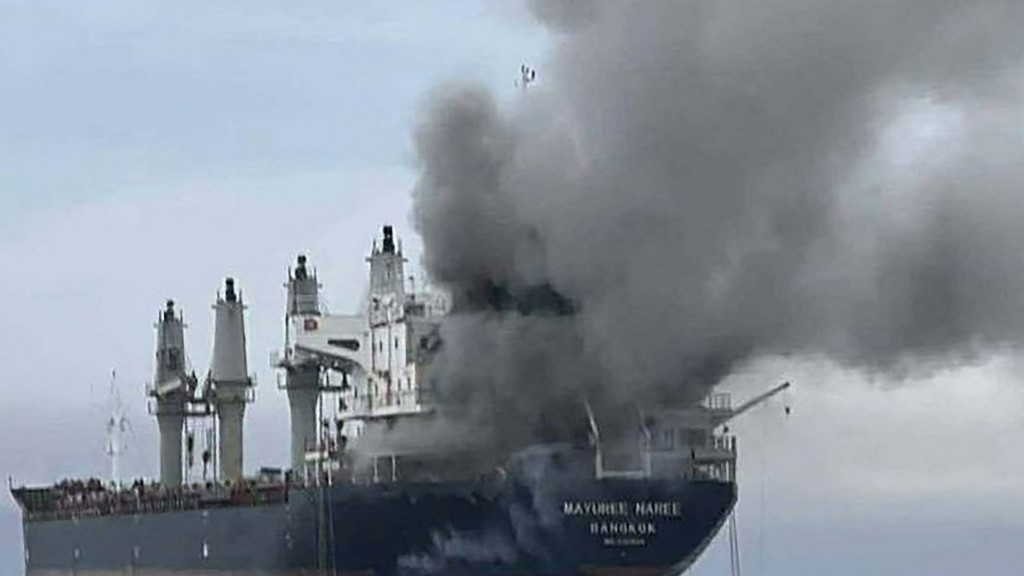
European powers have delivered a firm rebuke to the United States’ appeal for military assistance in reopening the strategically vital Strait of Hormuz, with Germany leading the opposition by declaring the escalating conflict with Iran falls outside NATO’s defensive mandate. The diplomatic standoff emerged after Iran sealed the critical waterway last week, retaliating against joint Israeli-American offensive operations that targeted Iranian territory. This strategic chokepoint facilitates the transit of over one-fifth of global oil and gas supplies, making its closure a matter of urgent international economic concern.
Despite President Donald Trump’s weekend appeal for allied support, European nations demonstrated remarkable unity in rejecting military involvement. German Chancellor Friedrich Merz’s administration established the tone by emphasizing through spokesman Stefan Kornelius that “Nato is an alliance for the defence of territory” and that the current crisis lacks the necessary mandate for NATO deployment. Defense Minister Boris Pistorius reinforced Germany’s position by explicitly ruling out military participation while affirming commitment to diplomatic resolution efforts.
The United Kingdom aligned with Germany’s stance, with Prime Minister Keir Starmer categorically dismissing the possibility of a NATO mission while acknowledging collaborative efforts to develop alternative strategies. “We’re working with all of our allies to bring together a viable collective plan that can restore freedom of navigation,” Starmer stated from Downing Street, emphasizing that any solution would not involve NATO deployment. Energy Secretary Ed Miliband revealed potential non-military alternatives, including the deployment of minesweeping drones instead of warships.
France confirmed it would not dispatch naval vessels to the Strait, maintaining its defensive posture in the Eastern Mediterranean. Spain emerged as the most vocal European critic of the military approach, with Defense Minister Margarita Robles declaring Madrid was “absolutely not” considering military contributions. Poland similarly rejected participation in any naval operation to reopen the shipping corridor.
This European consensus extended beyond the continent, with Japan and Australia earlier expressing parallel reservations about military involvement. President Trump issued a stark warning that allied refusal to assist could prove “very bad for the future of Nato,” though he provided no specific details regarding potential consequences.
Some Scandinavian and Baltic nations indicated slightly more flexible positions, with Danish Foreign Minister Lars Lokke Rasmussen advocating for maintaining “an open mind” regarding potential contributions despite emphasizing Denmark’s preference for de-escalation. Lithuanian and Estonian officials similarly expressed willingness to discuss the situation with American counterparts while stopping short of endorsing military action.